The Princeton Center for Complex Materials (PCCM), a research center at Princeton University dedicated to pushing the frontiers of materials science, has been selected by the National Science Foundation (NSF) for renewed investment to build on its success in research, workforce development and public outreach.
The new award provides $18 million over the next six years to accelerate the discovery of new electronic materials for computing and sensing technologies, and the development of programmable bio-inspired materials to advance medicine and manufacturing.
Established in 1994, the center is one of 15 NSF Materials Research Science and Engineering Centers (MRSECs) across the United States that support transdisciplinary and foundational materials research while educating the next generation of innovators.
“I’m excited to be leading a center that has so many phenomenal researchers,” said Leslie Schoop, the director of PCCM and a professor in Princeton’s Department of Chemistry. “We do exceptional science, and we also do so much to educate the workforce and excite all kinds of people about materials and materials science.”
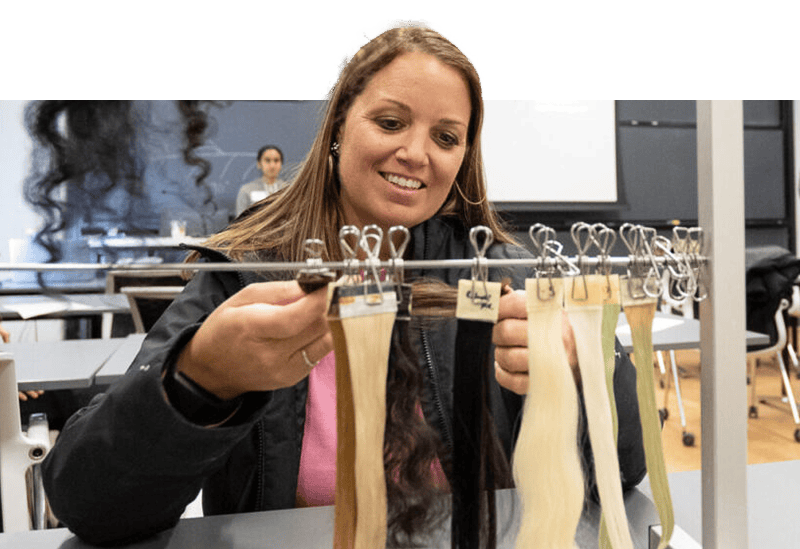
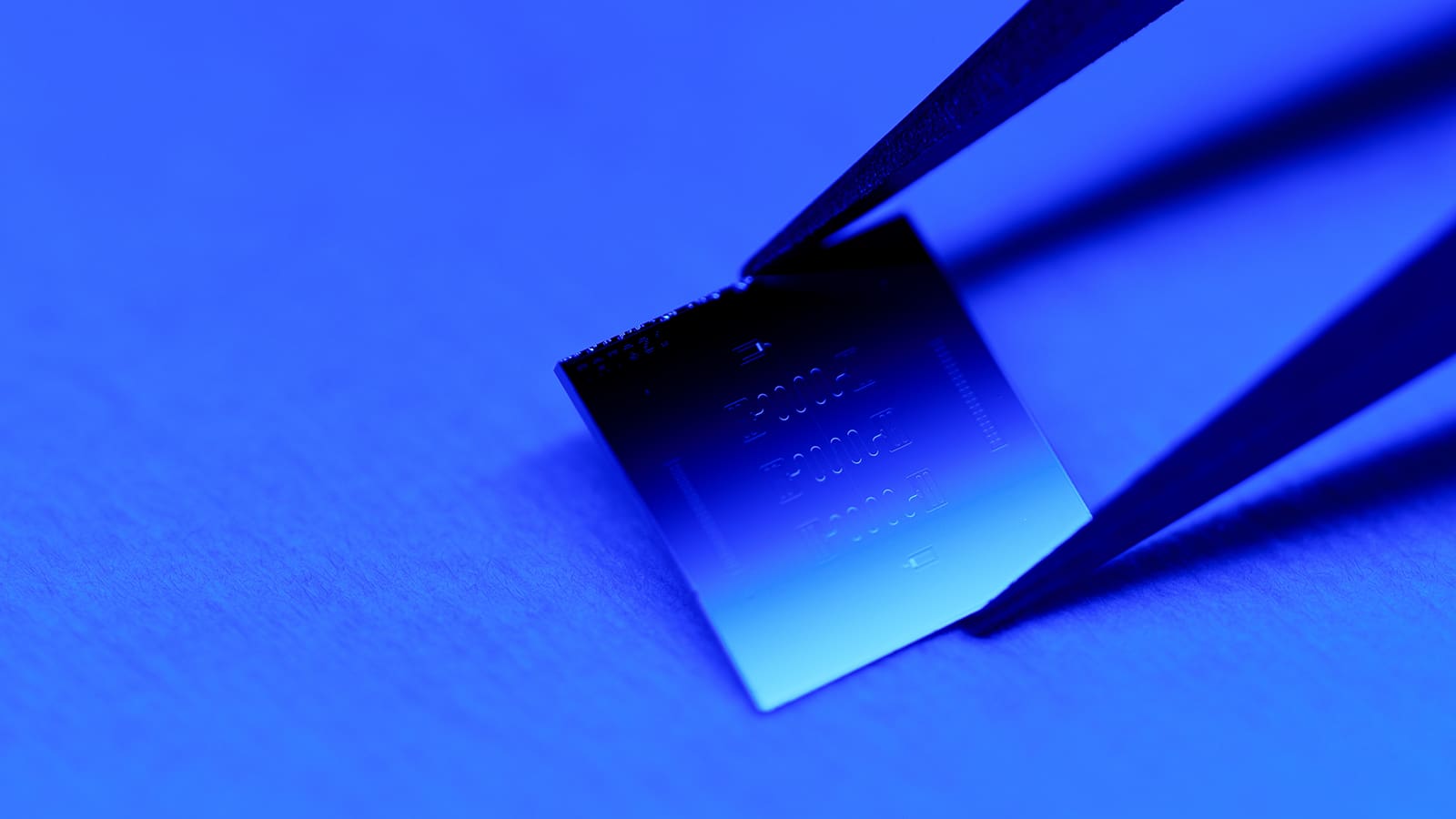
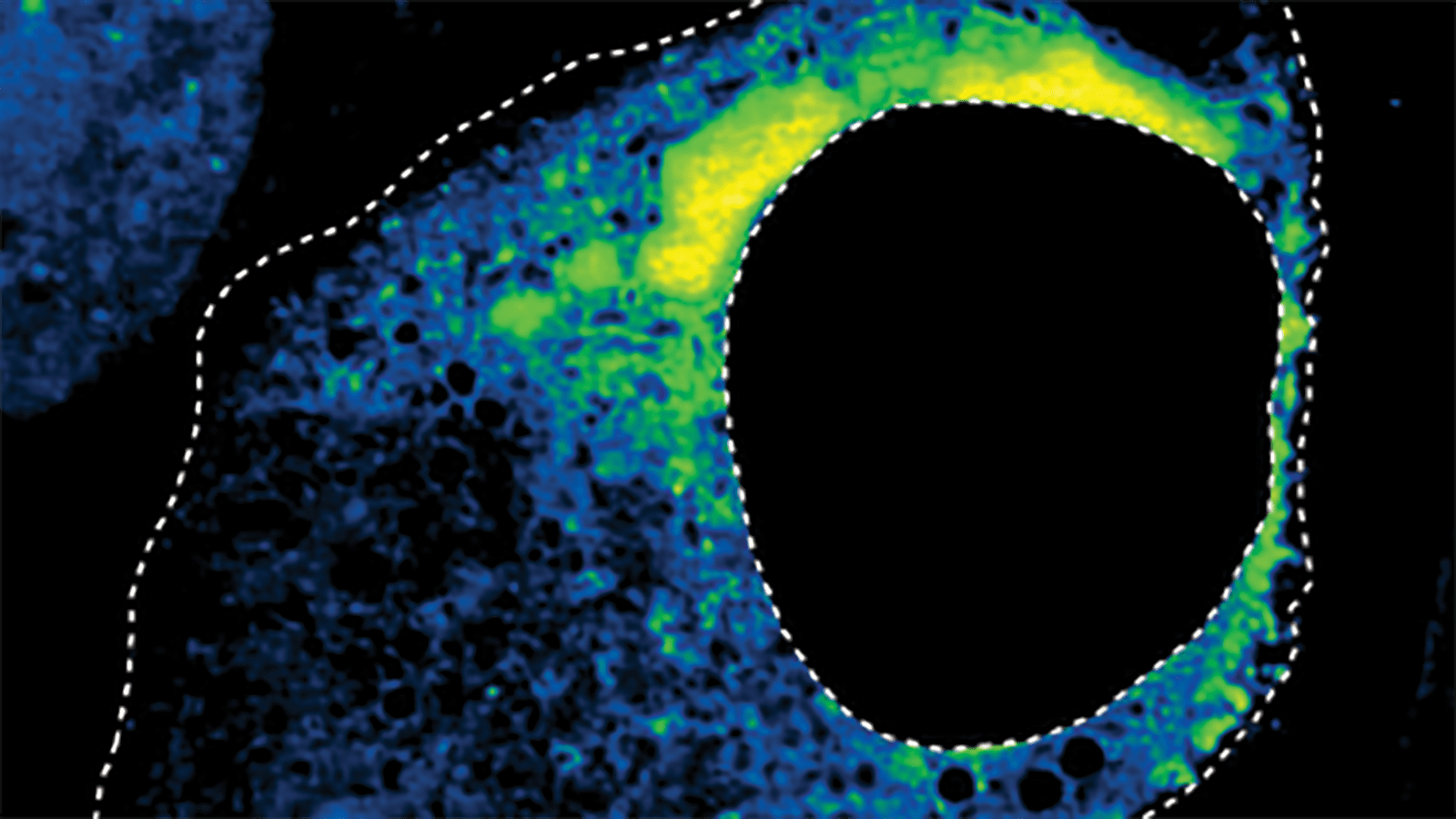
Since 2020, PCCM has consisted of two interdisciplinary research groups, including more than 30 Princeton faculty members from six departments in the natural sciences and engineering. The first, focused on quantum technologies, searches for and synthesizes materials with novel electronic properties, combining machine learning techniques and quantum chemistry. The second group, focused on bioengineering, seeks to understand how large molecules in living cells form assemblies known as biomolecular condensates, and to use this understanding to program new biomaterials.
“By bringing together people from a range of disciplines to work on grand challenges such as these, PCCM is a core pillar of the Princeton Materials Institute’s intellectual vitality, and that of the Princeton materials community in general,” said Richard Register, director of the Princeton Materials Institute and the Eugene Higgins Professor of Chemical and Biological Engineering.
PCCM will also expand on its longstanding education and outreach programs as part of its mission to build a vibrant materials workforce and strengthen public engagement with materials science.
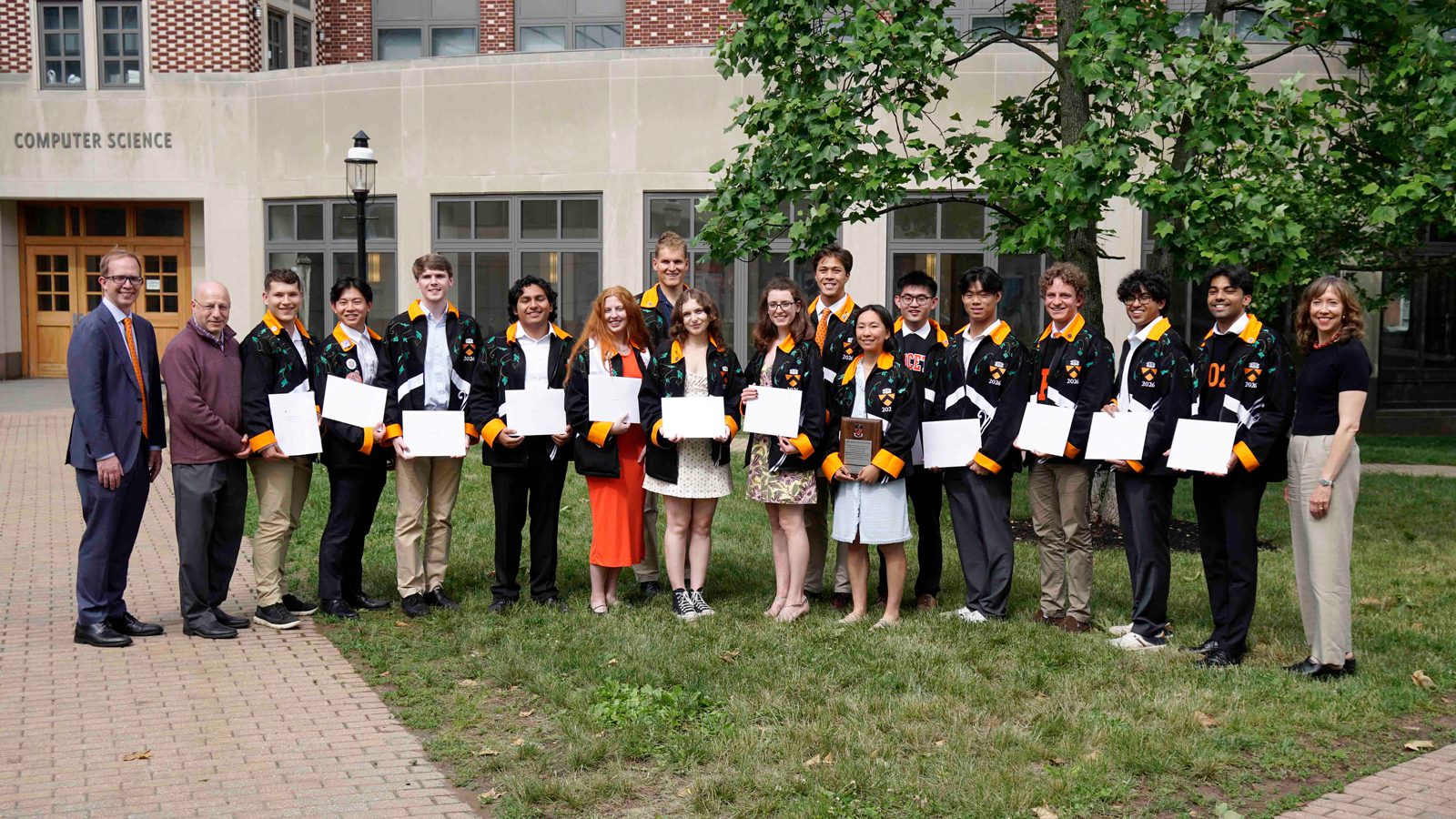
The center’s programs reach about 1,000 K-12 students annually, including public events such as the holiday lecture, the World of Materials Science Day, and the Princeton University Materials Academy, a three-week summer program for high school students that features laboratory and project-based activities, supported by lectures and informal interactions with PCCM faculty and graduate students.
Each summer, PCCM also hosts undergraduate students from outside Princeton for a nine-week Research Experiences for Undergraduates (REU) program. The students conduct mentored research projects, attend faculty research seminars, and tour core facilities and local companies. Since 1998, PCCM’s REU program has hosted hundreds of students, about 90% of whom have gone on to graduate school.
This year, the center is expanding its education and outreach activities with a pilot summer research program for community college students and is planning a public lecture series featuring PCCM faculty members.
Key research activities for PCCM in the coming years will include developing new methods to create and examine quantum materials, which will take advantage of artificial intelligence and automated experimentation. The bioengineering research team will advance computer simulations and machine learning to link the molecular makeup of condensates to their behaviors and begin to engineer new kinds of soft and living materials.
PCCM supports a shared user facility, the Imaging and Analysis Center, that offers advanced instruments for studying materials and is the largest facility of its kind in the region — a resource for the University as well as for industry partners.
PCCM is one of six MRSECs awarded funding by the NSF as part of a $108 million investment.
“For more than fifty years, NSF Materials Research Science and Engineering Centers have helped put America at the forefront of advanced materials discovery,” said NSF Mathematical and Physical Sciences Directorate Head Tie Luo in a news release. “These centers will continue to explore the practically infinite number of ways that matter can be formed into materials, bridging the gap between what we can imagine and what we can create.”
PCCM will be supported through National Science Foundation grant NSF-DMR-2614599.