Extreme heat, noise pollution and low physical activity pose underrecognized health threats in India’s cities, according to a new study by Princeton researchers. While air pollution is the leading cause of premature deaths in the country, better information on other urban health risks can help guide plans for smart growth and adaptation to a changing climate, said Anu Ramaswami, a Princeton professor who led the research.
The study, published in the Journal of Industrial Ecology, showed that mortality risk factors varied among cities and between urban and rural areas. The researchers examined infrastructure access, environmental factors, and lifestyle and dietary risk factors, using data from various Indian household surveys and public pollution and ambient temperature data. They then connected each factor to premature mortality rates across 42 Indian cities. The analysis helps establish baseline risk levels so cities can measure changes as they grow and implement solutions.
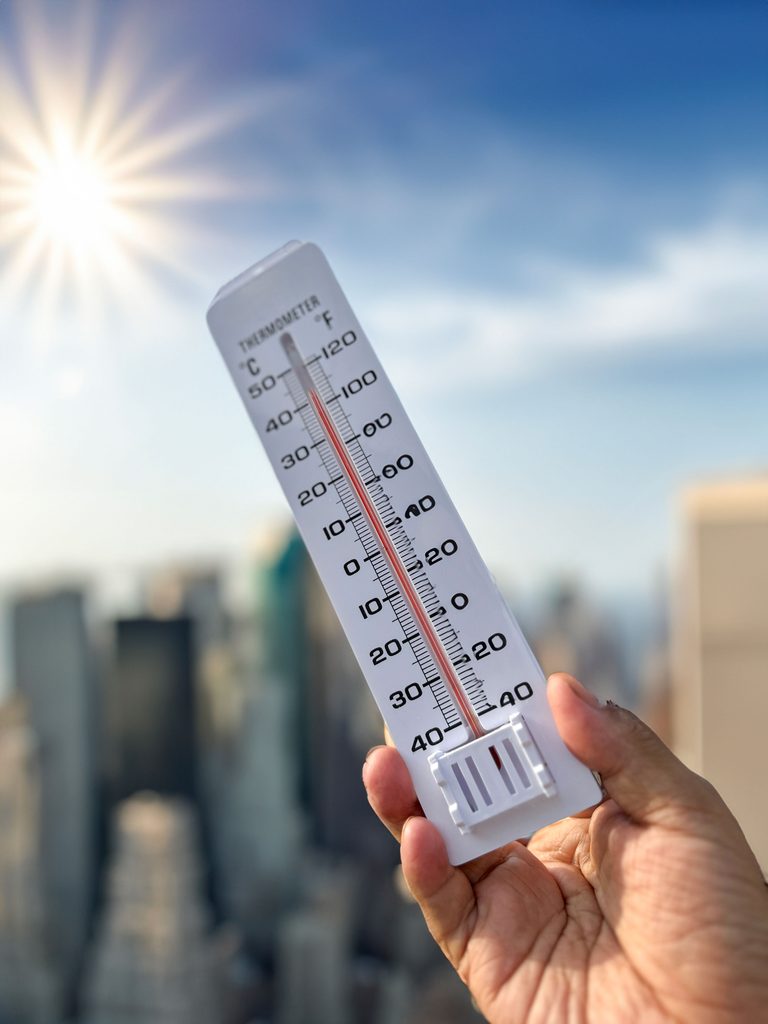
In Delhi, India’s capital territory and second-largest city, the next-highest risks after outdoor air pollution were extreme temperatures, sedentary lifestyles, diets low in fruit, and noise pollution — “which is remarkable. If you looked at the national disease burden, those would not pop up” because national surveys include large non-urban areas, said Ramaswami, a professor of civil and environmental engineering and the High Meadows Environmental Institute.
After outdoor air pollution, “you would see things like lack of sanitation and poor cooking fuels in the all-India National Burden of Disease studies.” (Cooking fuels contribute to indoor air pollution.) “And we do see them in Delhi and the other cities we studied. It’s not that these risk factors are absent in urban areas. Cities have improved in providing better water, sanitation and cooking fuels, but now we see these new risks emerging,” said Ramaswami. “That was the big message. That is why our paper is titled the Urban Burden of Disease because it specifically focuses on urban risk factors in India, which is rapidly urbanizing.”
The study includes a “heat map” that ranks 10 different risk factors by annual premature mortality per 100,000 people for each of the 42 cities. In other large cities such as Mumbai and Bengaluru, unsafe sanitation remains a greater risk than it is in Delhi. Some other cities show significant risks from indoor air pollution or unsafe water.
“The idea is to make a motivational tool for tracking these health outcomes over time,” said Ramaswami, who is also the Sanjay Swani ’87 Professor of India Studies and director of the Chadha Center for Global India. Her research group, the Urban Nexus Lab, develops data-driven tools and partnerships to help cities advance sustainability, health and equity.

“If a city [implemented] an air pollution mitigation plan, they could calculate what the benefits were. If they were to switch to electric vehicles, they would reduce noise and air pollution,” she said. “A lot of interventions that can help the environment would also substantially help public health.”
“This analysis gives policy makers a holistic view of what should be done to best improve living conditions for their people,” said Armistead Russell, a professor of civil and environmental engineering at Georgia Tech, who was not involved in the study.
“It shows that urbanization changes health risks, not simply reduces them,” he added. “As we have found in the U.S., [air pollution] can be brought down, so in the long run, the Indian governments need to focus on the other risks as well. Few other scientific studies can come to such a broad understanding of causes of ill health and death in India.”
Ramaswami noted that the paper addresses chronic health risks, including those from noise pollution and extreme heat, which can occur over a period of time, particularly due to nighttime heat exposure that prevents the body’s recovery and rest and can lead to chronic cardiovascular and kidney disease. Noise pollution can cause chronic stress from disturbed sleep, which is correlated with cardiovascular risk.
The study required assembling reams of data from disparate sources, including cause of death numbers for all the regions examined — tracking more than a dozen causes of death, including diabetes, various cancers, heart disease and stroke. The researchers used data from 2022, as that was the most recent year for which they could align data on risk factors, causes of death, and household surveys on expenditures and activities.
Co-author Ajay Nagpure, a former associate professional specialist in the Urban Nexus Lab, conducted much of the data gathering and analysis. He worked with Ramaswami to test her hypothesis that urbanites face unique risk factors that are overlooked when considering a country or region as a whole — and to place these risks in the context of the well-known impact of air pollution.
To link premature deaths to health risk factors attributable to the built environment, Ramaswami and Nagpure applied the Global Burden of Disease study, which estimates the proportion of different diseases in a location that can be attributed to various risk factors. The unique aspect of the study is that the GBD has largely been applied at the national scale, while this analysis provides the first quantitative health risk models for 42 diverse cities in India.
“We don’t have direct data on how many people died from lung cancer because of air pollution, as an example. That’s what we model, distinguishing it from other causes of lung cancer,” Ramaswami explained. “We use something called the population attributable fraction, which says these are the excess mortalities because of exposure to polluting infrastructure and environment.”
The researchers also compared risk levels in cities to their surrounding rural areas. This analysis looked at 100 cities throughout India — the initial cross-city comparison used only 42 cities because those cities had available data on all the risk factors, including noise pollution.
Across districts, cities were far more likely than rural areas to use mainly gas for cooking (as opposed to firewood and other dirtier fuels), and to have sewers and piped, treated water. On the other hand, urban areas were far more overcrowded, and city-dwellers were less likely to meet recommended physical activity levels.
Looking at different income levels within Delhi showed that low physical activity was a dramatically higher risk among higher-income residents, while risks like indoor air pollution and unsafe sanitation and water were more prevalent for those with lower incomes.
Tackling these challenges as cities grow is a matter of improving infrastructure through good governance, said Ramaswami. Still, she added, “it’s not clear how much urban planning will offset the huge impact of population growth and incomes rising” — leading, for example, to people owning more vehicles as they become wealthier.
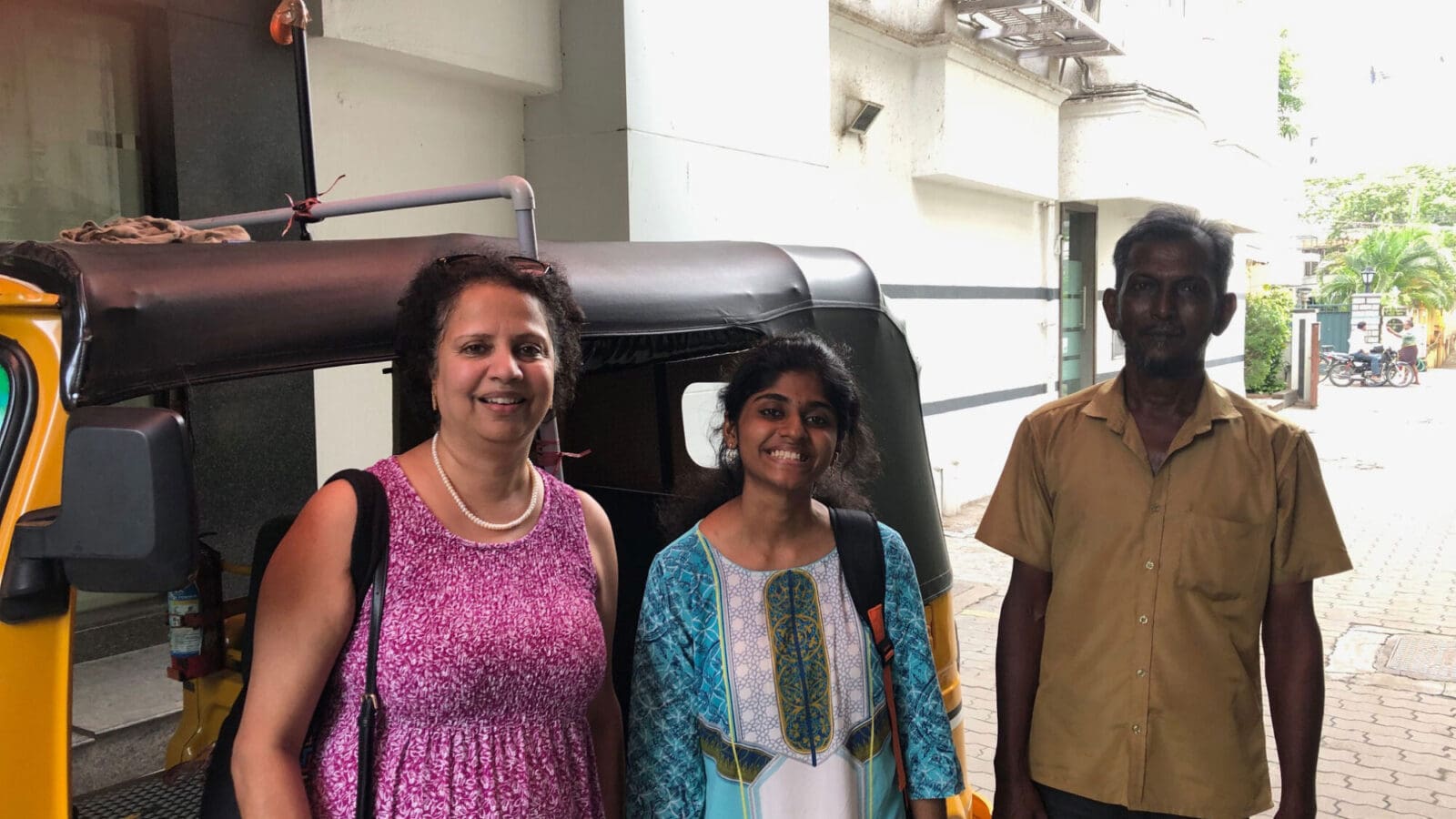
The Urban Nexus Lab has partnered with the United Nations to look further into the policy side of urban growth. They are conducting case studies on five cities throughout the Global South — including Chennai, India. “We’ll be doing a series of interviews with planners to see what the barriers are and what the opportunities are,” said Ramaswami.
Businesses have a role to play, too. For instance, electric two-wheelers and motorcycle sharing are growing in many Indian cities, and can be one solution to reduce crowding, noise and air pollution — not to mention mitigating climate impacts. “There are so many entrepreneurial solutions, and I think the market’s ripe for it,” said Ramaswami.
The article, “The urban burden of disease in India: modeling infrastructure, environmental and dietary risk factors associated with provisioning systems across forty cities (2022),” was published March 11 in the Journal of Industrial Ecology. Authors were Anu Ramaswami and Ajay Nagpure. Support was provided by the M.S. Chadha Center for Global India at Princeton University and the U.S. National Science Foundation Sustainability Research Network.