Search results for: “♊ близнецы гороскоп на сегодня ❰гороскоп на сегодня близнецы❱♊-bit.ly/Gemini-serodnya”
-
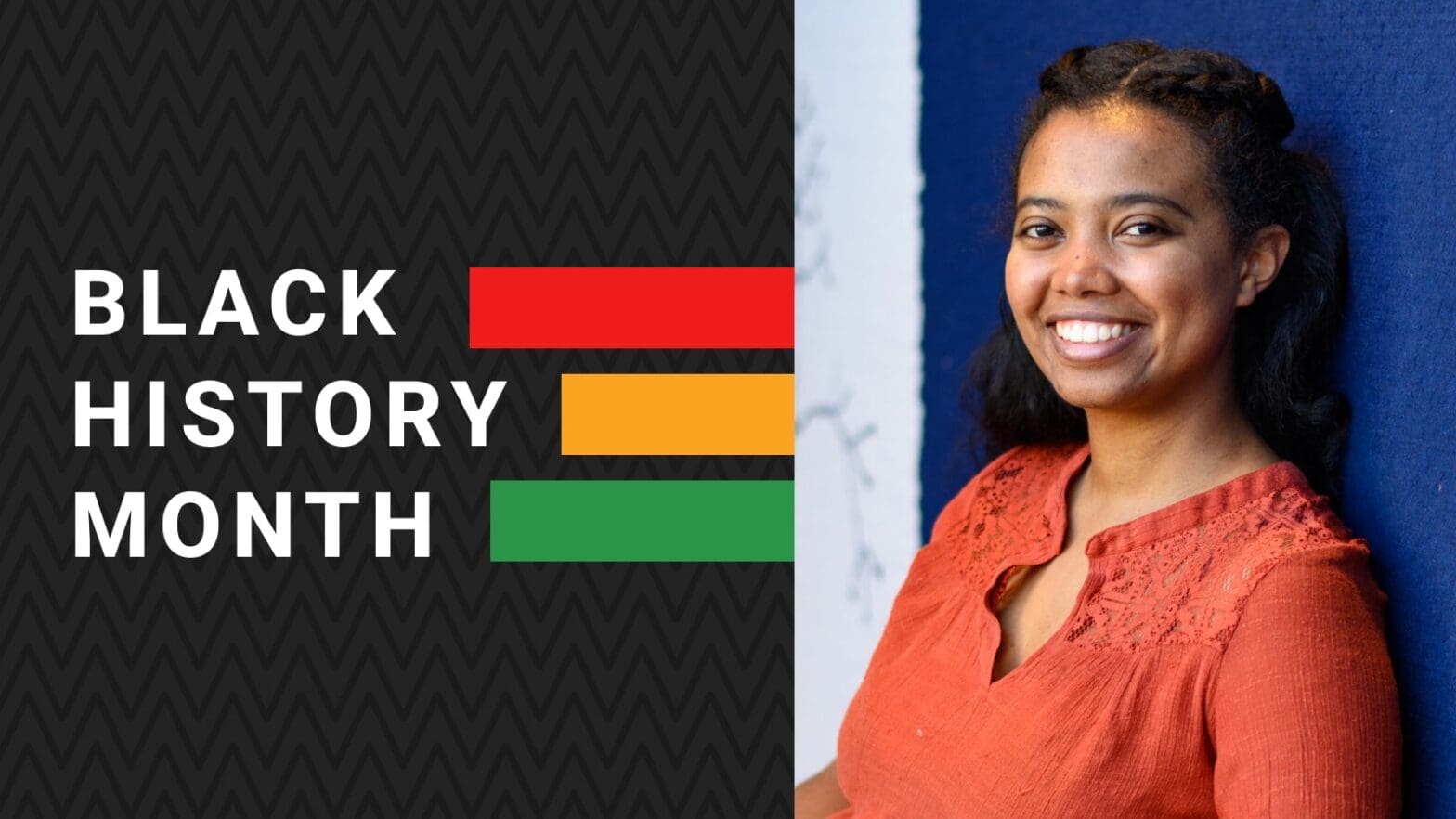
Bioengineer seeks to improve health care access, expand students’ opportunities
Annabel Lemma, a Ph.D. student in chemical and biological engineering, has dedicated her graduate career to research aimed at improving antibiotic treatments, and to promoting the well-being and development of Princeton students.
-
Episode 3: The Converter
Imagine using a computer to synthesize music, but not being able to hear the sound as you programmed it. That’s how it was in the 1960s — until a Princeton engineer and composer teamed up to build an easier way for composers to hear the sound of music.
-
Good Vibrations: Vibe Coding (with LLMs) Done Right
With the broad public release of Large Language Models (LLMs) in the past few years, writing code by explaining tasks in plain English, popularly known as “vibe coding”, has exploded in popularity. Anyone can dive right in, but if you want to make your code robust and quickly usable, there are many tips and tricks…
-
Making Language Models Useful
Large pre-trained language models, most notably GPT-3, are the engines of knowledge and capability underpinning powerful systems such as ChatGPT, Gemini, and Claude.
-
Perspectives on the Future of Human Space Flight
The Asian American Academy of Science and Engineering invites you to join them for their Distinguished Lecture featuring Charles Bolden, 12th Administrator of the National Aeronautics and Space Administration (NASA). Charles Bolden was privileged to be on hand for major changes in both the strategic plan for the Aeronautics Research Mission Directorate (ARMD) and the…
-
ChatGPT and the A.I. Revolution
ChatGPT has taken the world by storm and is surprising and delighting millions. From AI that can generate images never before seen to platforms that write code and blog posts for you, AI is everywhere. In this class we will take a tour through popular AI platforms, look at ChatGPT, Gemini and Copilot among others…
-
Accelerate Your Coding With PyCharm and Visual Studio Code
Learn how to make the most of the programmatic tools and techniques that software developers use to write robust, reproducible Python code quickly and efficiently. We will go through a sample scientific programming project and use PyCharm (and Visual Studio) IDEs to write, test, and debug code that executes on the cloud (the Princeton clusters/Azure…
-
Introduction to the Julia Programming Language
This workshop will introduce participants to the Julia programming language. Julia is a flexible dynamic language, appropriate for scientific and numerical computing, with performance comparable to traditional statically-typed languages. One can write code in Julia that is nearly as fast as C. Julia features optional typing, multiple dispatch, and good performance, achieved using type inference…
-
Grant Writing and Letters of Recommendation Workshops
Attend one session or both to improve future applications
-
Getting Started With the Research Computing Clusters
This workshop introduces the research computing ecosystem at Princeton: the computing clusters (Nobel, Adroit, Della, Stellar, Tiger and Traverse), the storage systems available, and the data visualization machines. After an overview of the different systems and the sorts of tasks each is geared toward, the course gives users a hands-on introduction to technical topics including:…