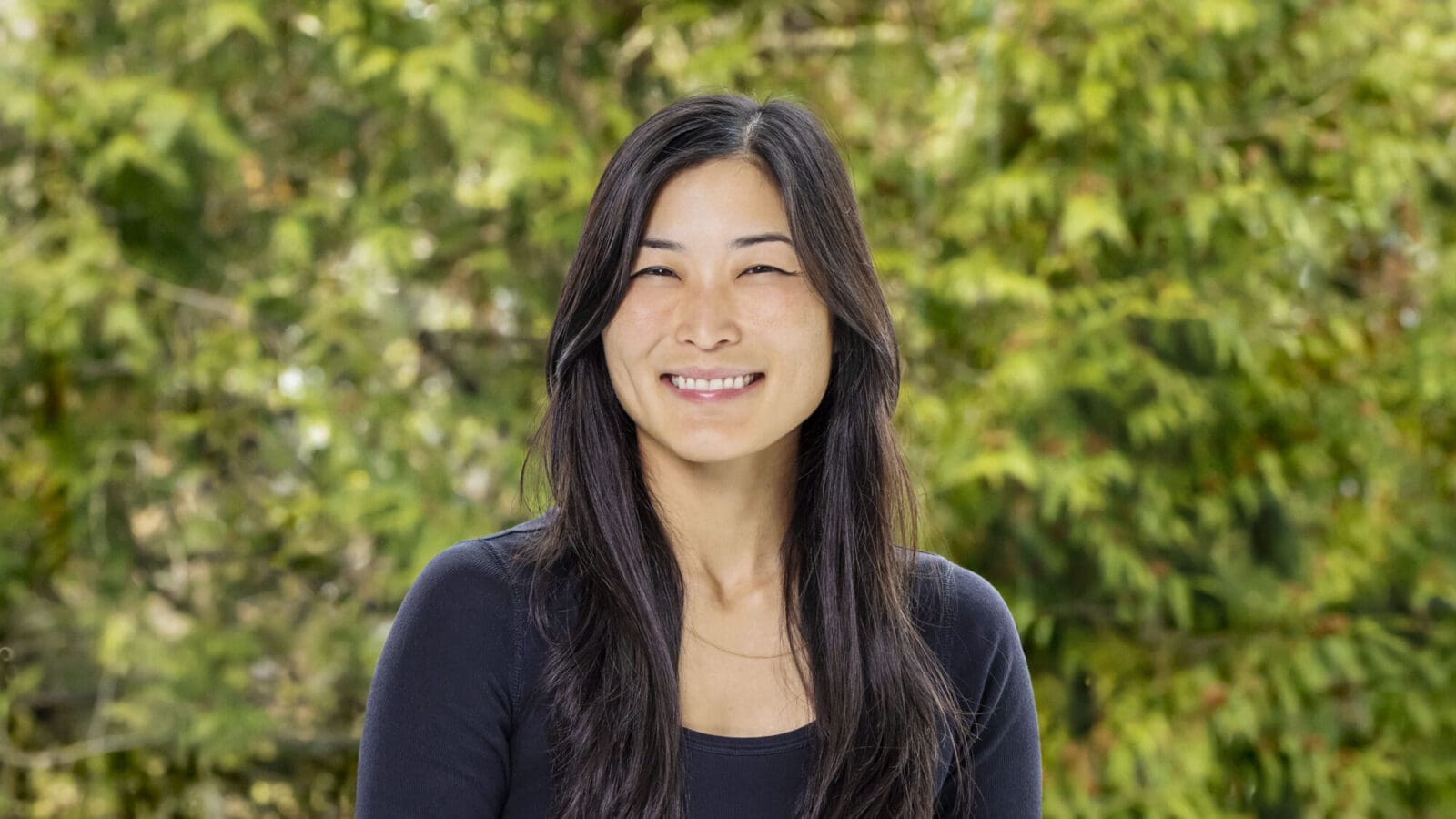
The Howard Hughes Medical Institute (HHMI) has named Christina K. Kim a Freeman Hrabowski Scholar, supporting her research on how modifications in brain cells result in long-lasting changes in behavior.
The Freeman Hrabowski Scholars Program supports outstanding researchers who have “strong potential to become leaders in their fields and to advance inclusion,” according to HHMI. Each Freeman Hrabowski Scholar is appointed to a five-year term, renewable for a second five-year term.
Kim, an assistant professor of neuroscience and the Omenn-Darling Bioengineering Institute, develops technologies to study how the structures and functions of cells give rise to animal behavior. The Kim lab uses synthetic biology and protein engineering to develop tools that record the gene and protein expression of individual neurons in mice. They also use optical imaging techniques to record in real-time the activity of neurons in mice during drug exposure or reward-seeking behaviors. Then they use RNA sequencing, proteomics, and machine learning techniques to determine how molecules in activated neurons support changes in animal behavior. She hopes this work leads to more targeted and effective therapeutics for neuropsychiatric conditions like addiction or anxiety.
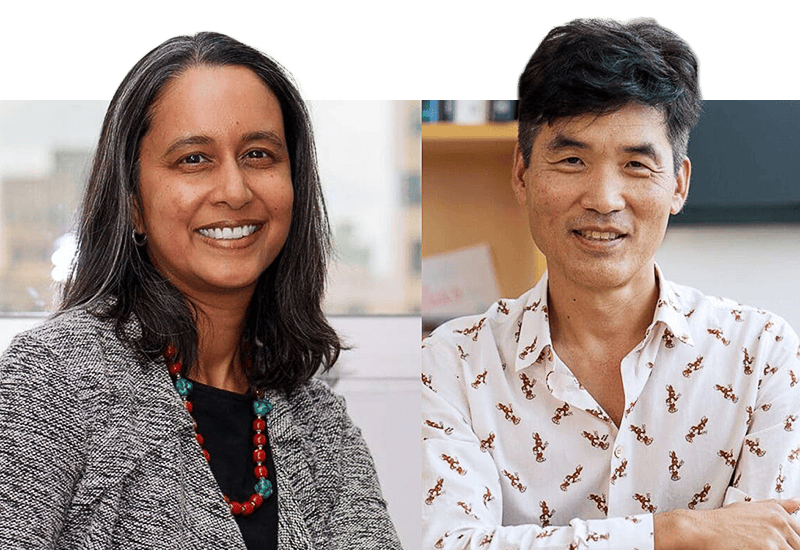
The 2025 Hrabowski Scholars cohort consists of 30 awardees from 23 institutions. Princeton molecular biologist Ai Ing Lim, an expert in immunology, was also named a 2025 Hrabowski Scholar.
Kim earned her bachelor’s degree in molecular biology from Princeton in 2011 and returned to join the faculty in January 2025. Her joint appointment in ODBI and the Princeton Neuroscience Institute bridges her research on neural mechanisms and protein engineering.
She has received numerous honors, including a Burroughs Wellcome Fund Career Award at the Scientific Interface, the Beckman Young Investigator Award, and a National Institutes of Health Director’s New Innovator Award. Prior to joining the Princeton faculty, Kim was an assistant professor at the University of California-Davis. She earned her doctorate in neuroscience and conducted postdoctoral research at Stanford University.