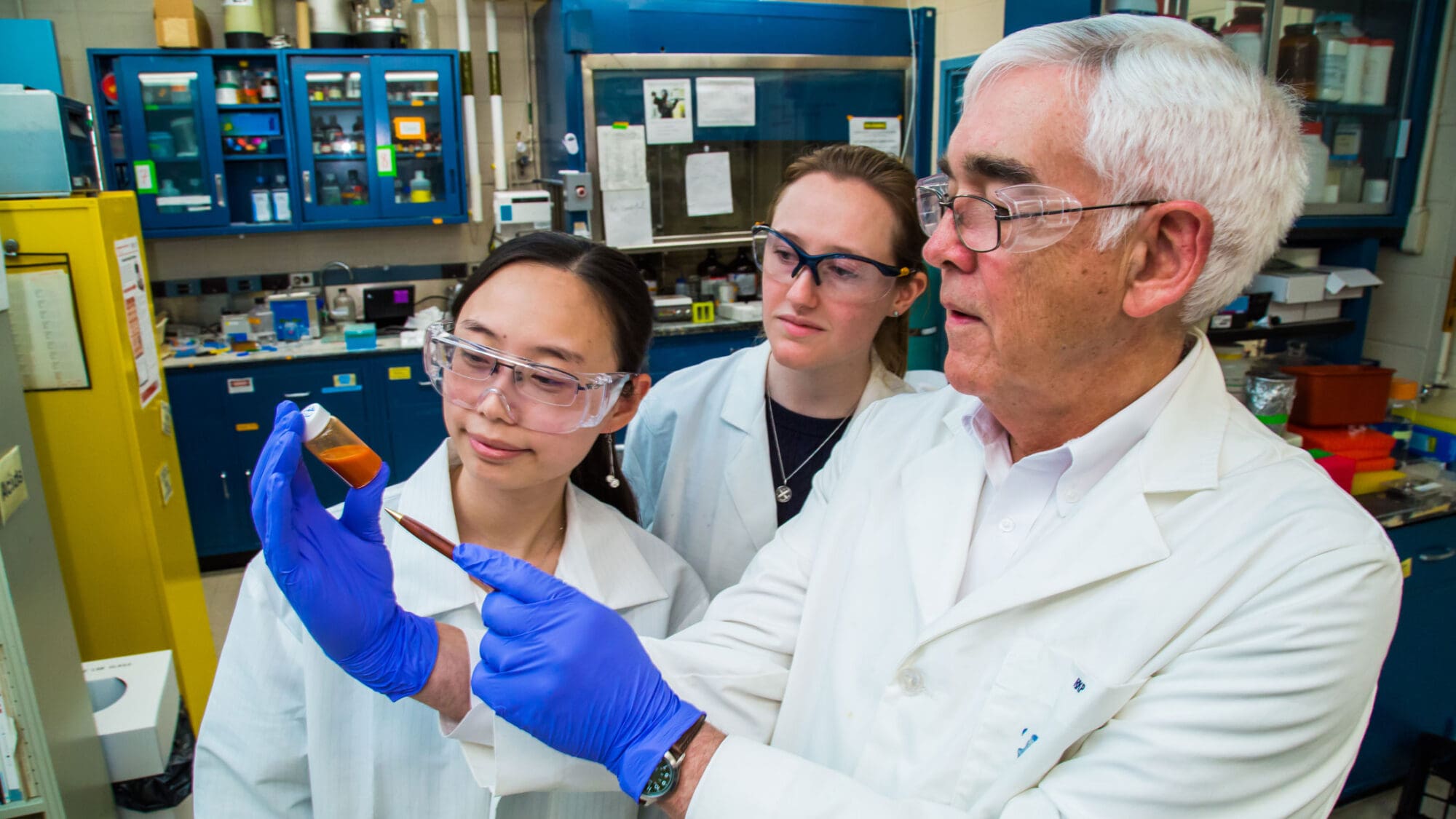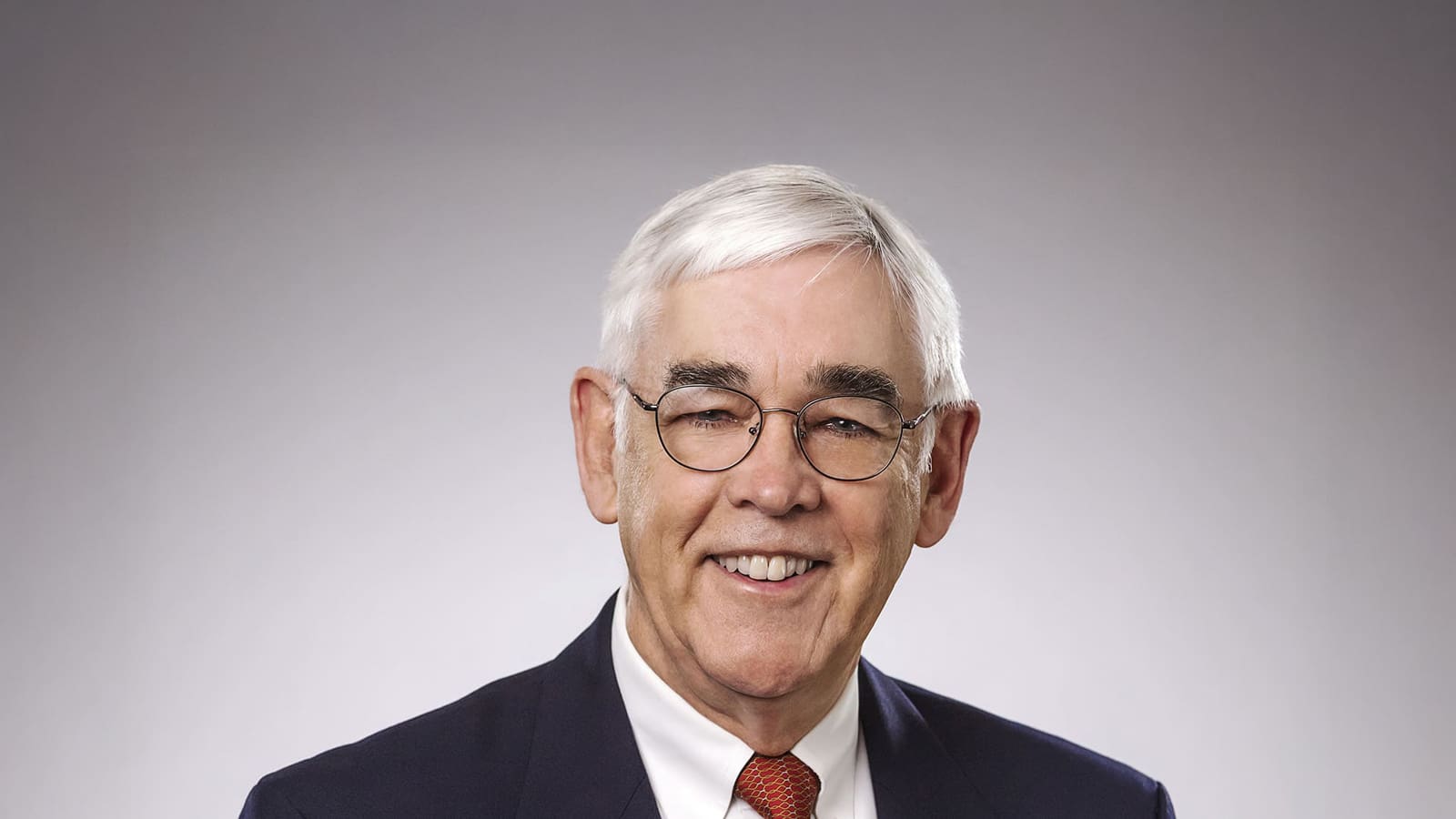
Robert K. Prud’homme has won a 2025 John Scott Award for his work improving “the effectiveness of disease-fighting drugs,” especially those distributed in the developing world.
One of the oldest science prizes in America, the John Scott Award was endowed in 1815 by Scottish chemist and pharmacist John Scott to honor the pioneering work of Ben Franklin. It is administered by the Board of Directors of City Trusts of Philadelphia and given annually to researchers who have contributed in some outstanding way to humanity’s comfort, welfare and happiness, according to the organization’s news release.
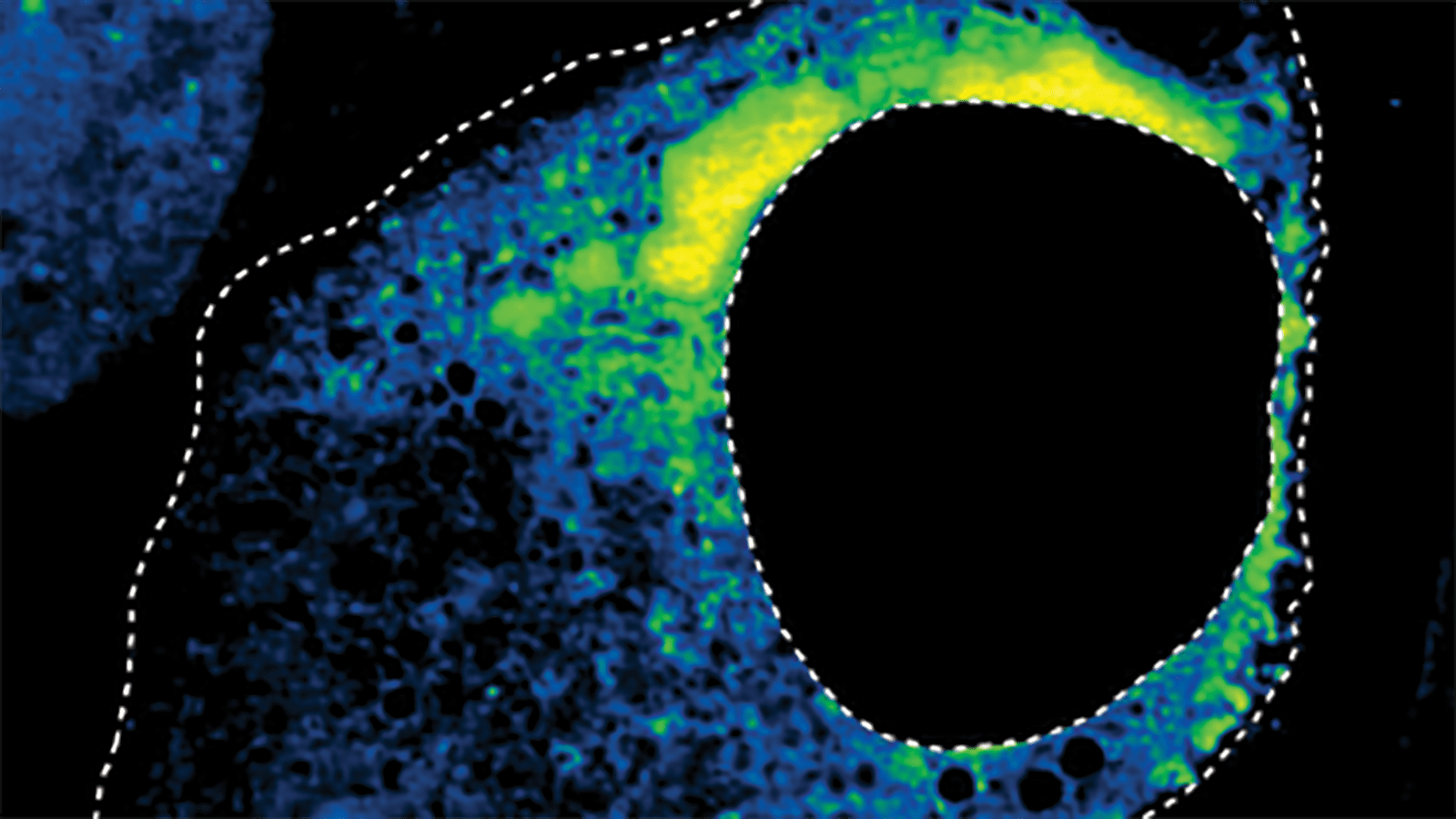
Prud’homme, a professor of chemical and biological engineering, emeritus, led the development of a technique that allows pharmaceutical makers to encapsulate a drug particle in tiny sphere of fat and other materials. This innovation has changed how many medicines are made and distributed. The approach, called Flash Nanoprecipitation (FNP), can produce a continuous flow of particles that are each a million times smaller than a grain of table salt, each perfectly formed and loaded with molecules that are often difficult to encapsulate using other methods.
The result has been treatments that are cheap to manufacture at a global scale and stable enough for distribution in the Global South. The technique was used to create COVID-19 vaccines starting in 2020. With philanthropic investment, it has also improved treatments for malaria, toxoplasmosis, tuberculosis and diarrhea. Prud’homme has also worked closely with major pharmaceutical companies on fine-tuning the technique for next-generation therapeutics, including cancer vaccines.
The John Scott Award includes the Scott Medal and a cash prize for each winner.
In addition to Prud’homme, this year’s winners include Bonnie Bassler, Princeton’s Andrew K. Golden University Professor and the Squibb Professor in Molecular Biology, for her work on the group dynamics of bacteria, illuminating the links between cell-to-cell communication, behavior and disease.
Prud’homme is a member of the National Academy of Engineering, the National Academy of Inventors, and a fellow of the Society of Rheology. He has received a Thomas A. Edison Patent Award and a Nanoscale Science and Engineering Forum Award from the American Institute for Chemical Engineers, among many honors. He transferred to emeritus status in 2023.