A commitment to connect
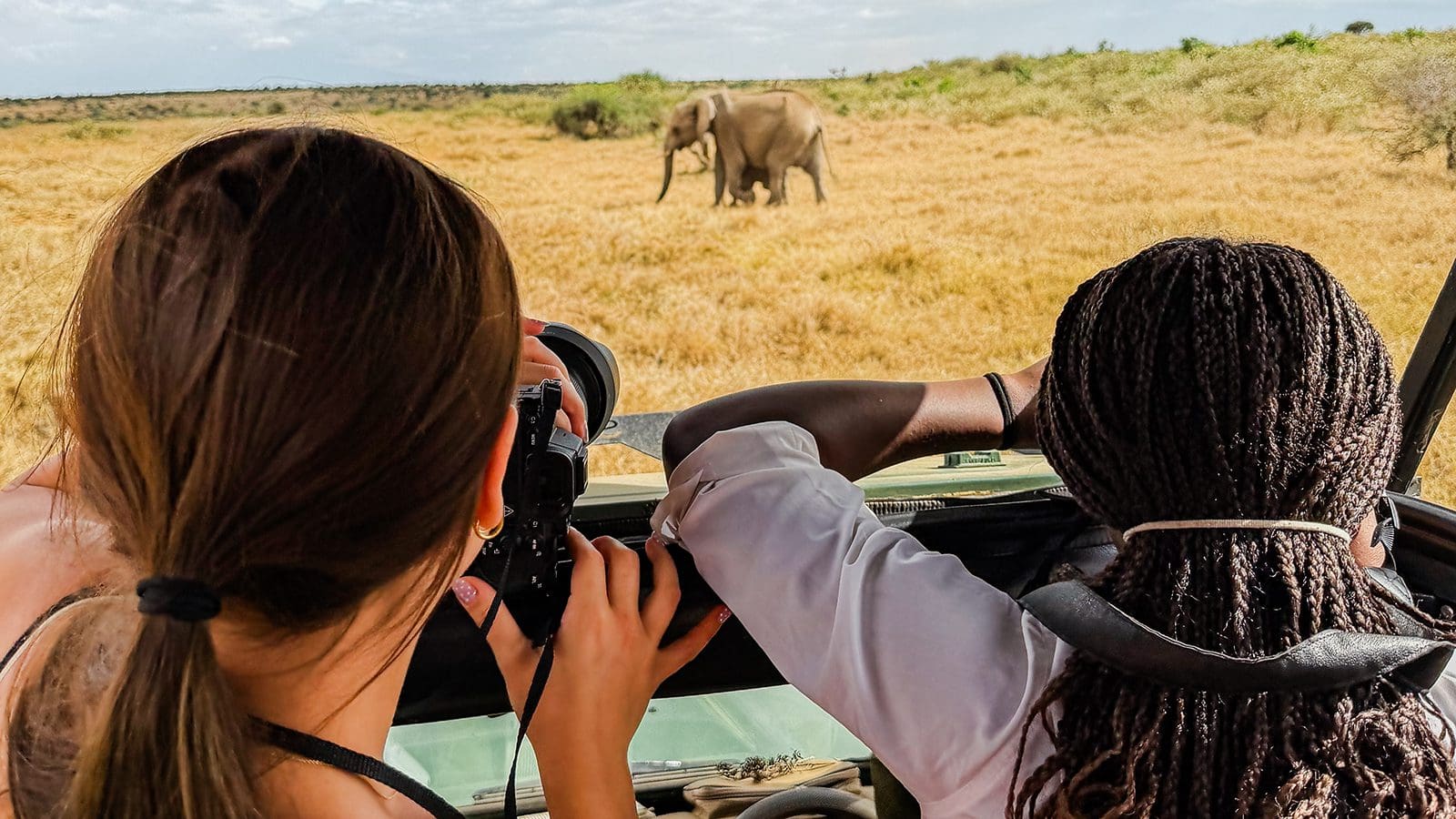
Thousands of miles from Princeton, Malinka Kwemo polishes her camera lens, caked with dirt after days of staking out endangered zebras and the researchers who track them.
At Mpala Research Centre in Kenya, Kwemo and her classmates are filming a documentary on the Princeton Zebra Project, a long-term research effort to study Grevy’s zebras and develop conservation strategies.
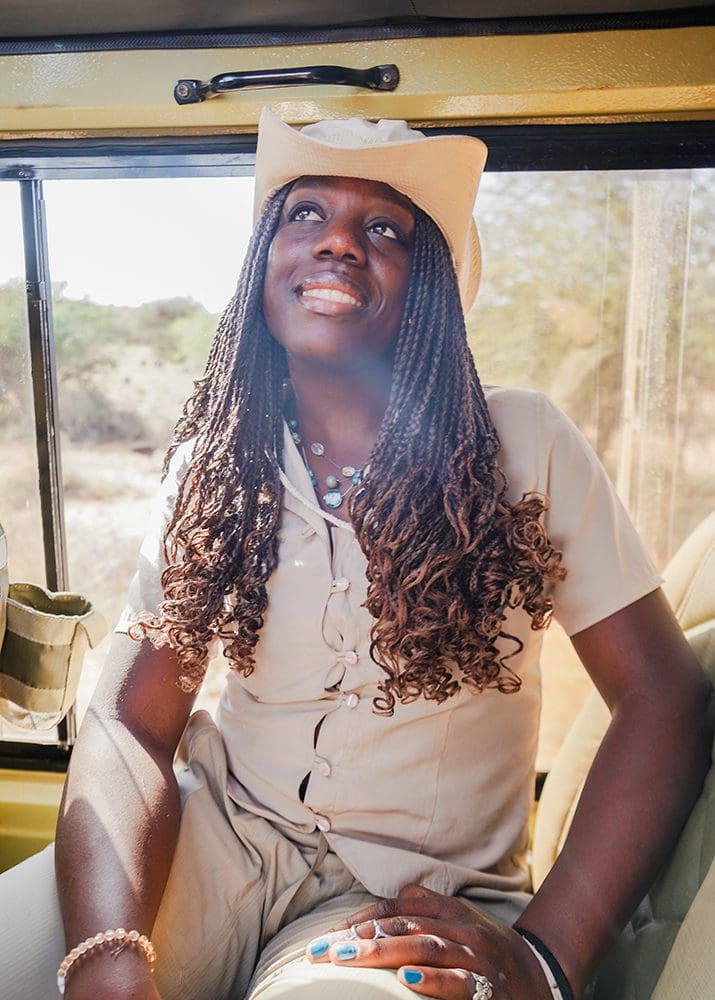
The trip is part of an anthropology course on multispecies filmmaking. While not a typical winter break for an electrical and computer engineering major, the class helped Kwemo, a junior, articulate a long-term interest. “There’s so much engineering behind all of this,” she said, referring to filmmaking. “Maybe my niche is high-tech cameras — working in film but bringing in a technical background.”
The course is far outside of her core requirements. For Kwemo, that’s the point. Taking a breadth of classes reveals new ways of thinking about engineering and how it intersects with other fields. “There’s anthropology in coding, there’s anthropology in computers,” she said. In machine learning, for example, programming is inspired by how the human brain works.
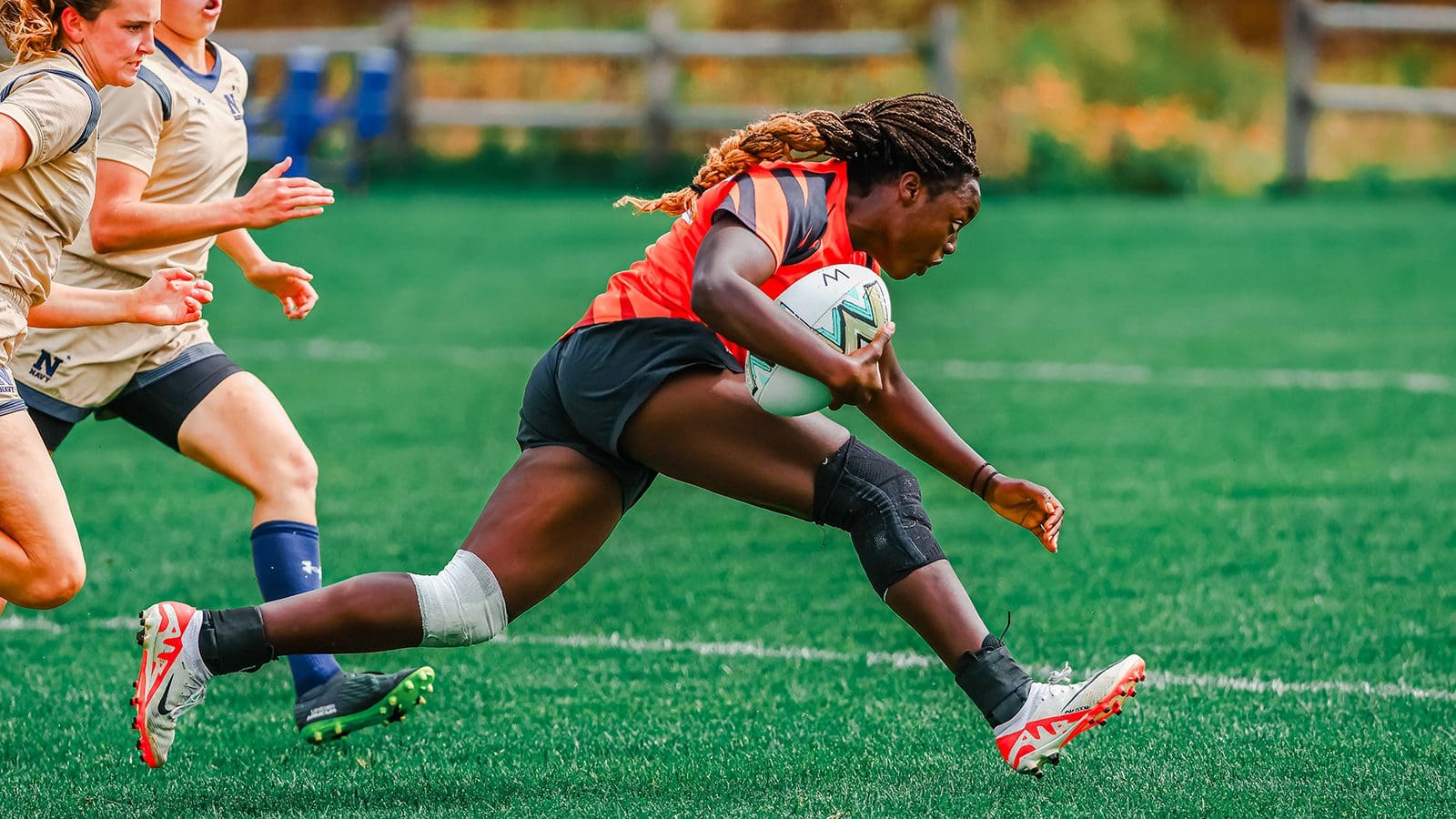
That instinct to connect rather than compartmentalize also serves Kwemo in her role as a captain on Princeton’s women’s rugby team. Instead of treating the demands of athletics and engineering as competing forces, she combines them into one. “The key is to do them together as much as possible,” she said.
“Believing you can achieve it before you actually achieve it is something I use in both rugby and engineering.”
That means staying after practice to film the men’s rugby team for a project, doing engineering homework on the bus to practice, and keeping an open dialogue with her coaches and professors.
In juggling all of this, Kwemo has never worried that she won’t pass a class. Instead, she thinks in terms of how much work she’ll need to do and how she’ll get the resources she needs, knowing that her teachers and coaches want her to succeed.
On the field, that self-assurance helps her recognize a flicker of doubt in her opponent’s eyes that tells she’s going to make a play. “That honestly gives me the confidence to tackle them,” she said. “Believing you can achieve it before you actually achieve it is something I use in both rugby and engineering.”

The Engineering Student Athlete
Engineering student athletes train and compete at a high level while also designing robots, building computer algorithms, and planning for climate resilience.
A commitment to connect
For rugby player Malinka Kwemo, taking a breadth of classes reveals new ways of thinking about engineering and how it intersects with other fields.
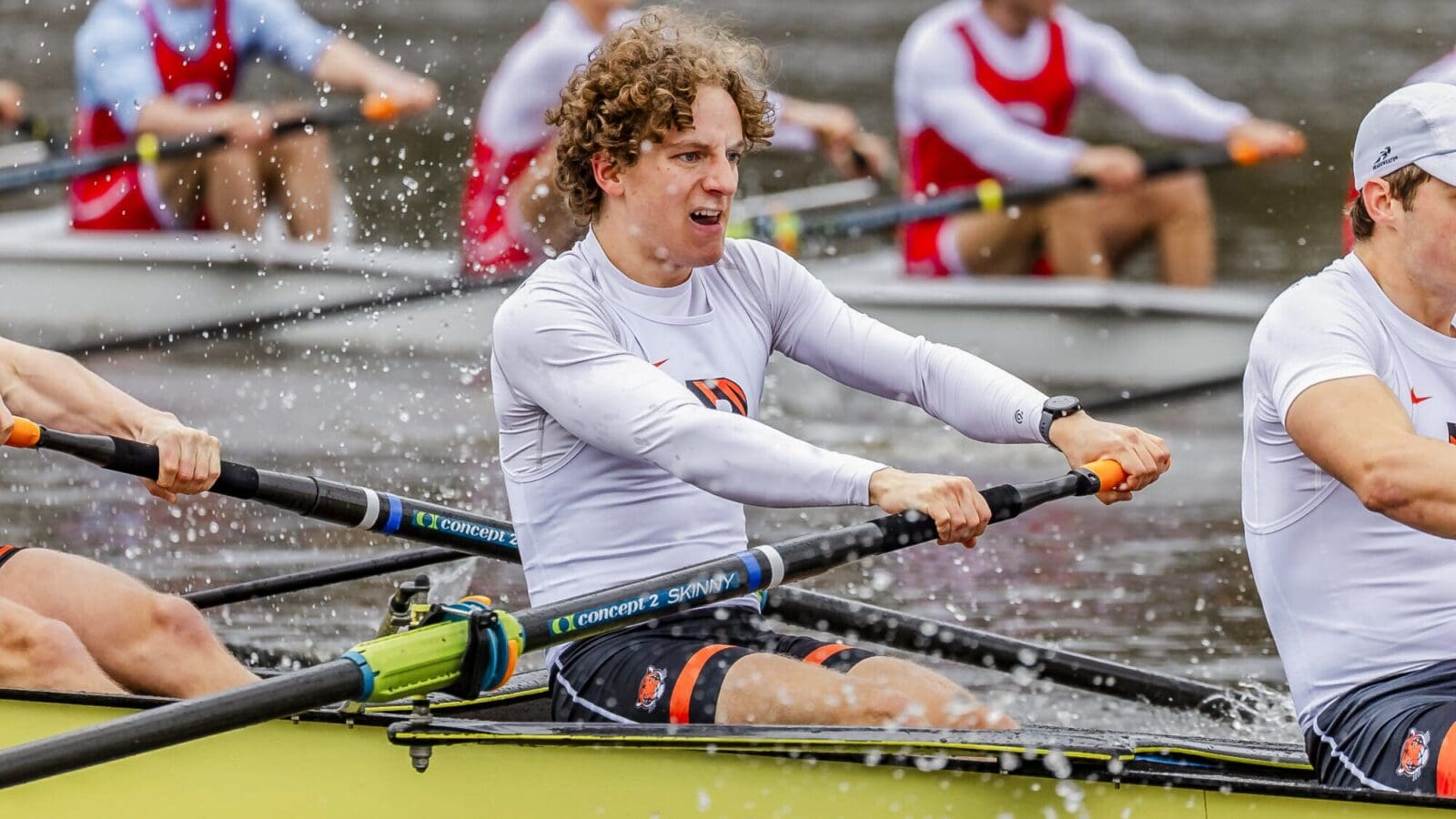
Rower-engineer awarded Pyne Prize, Princeton’s top undergraduate honor
Braeden Carroll’s academic pursuits have bridged engineering, the humanities, social sciences, and policy studies, including extensive interdisciplinary fieldwork.
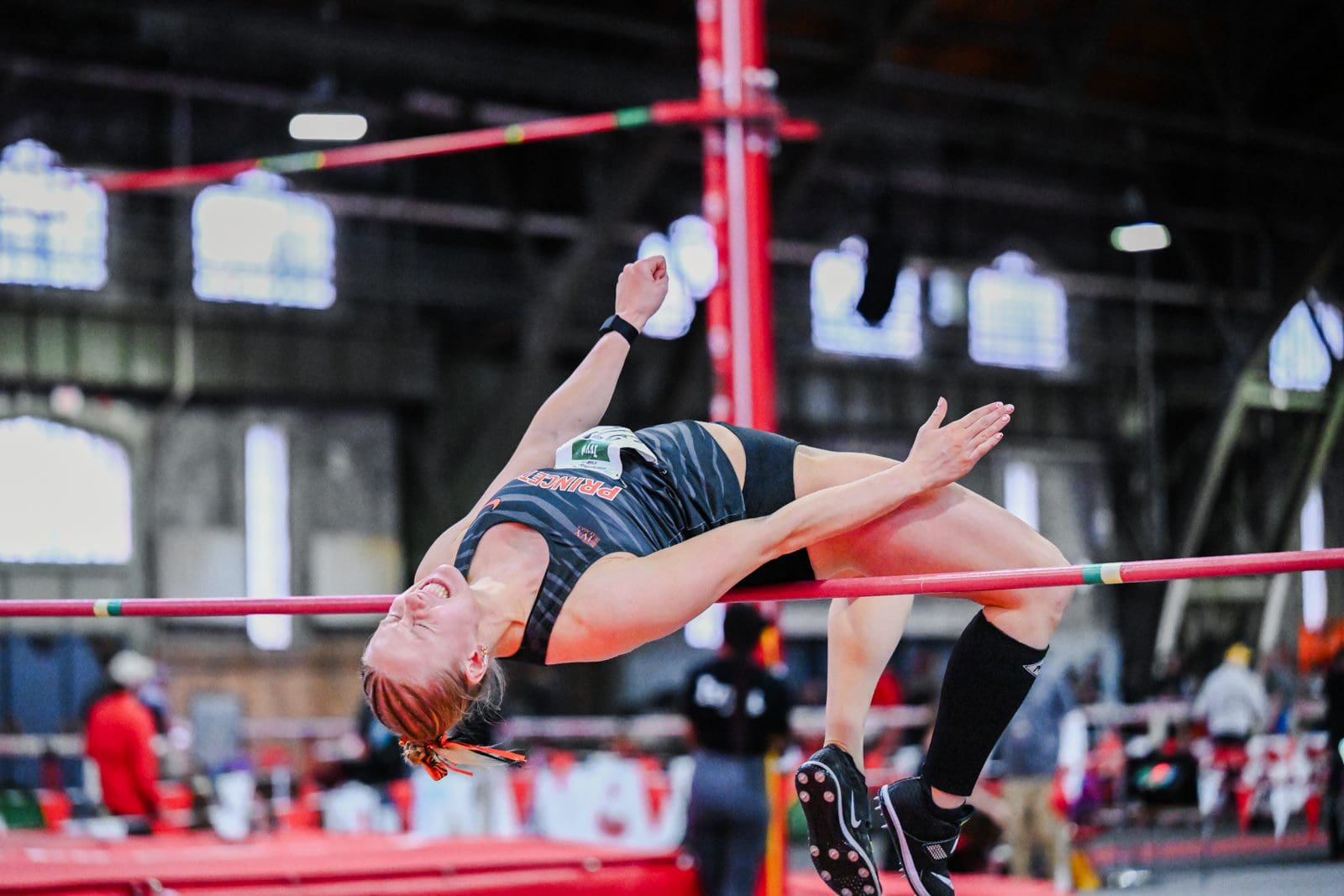
From hurdles to heat mapping: Bringing it all together
Growing up pursuing a sport that requires mastery of sprints, hurdles, shot put and high jump, Julia Jongejeugd knows how to do more than one thing well. And not just in sports.
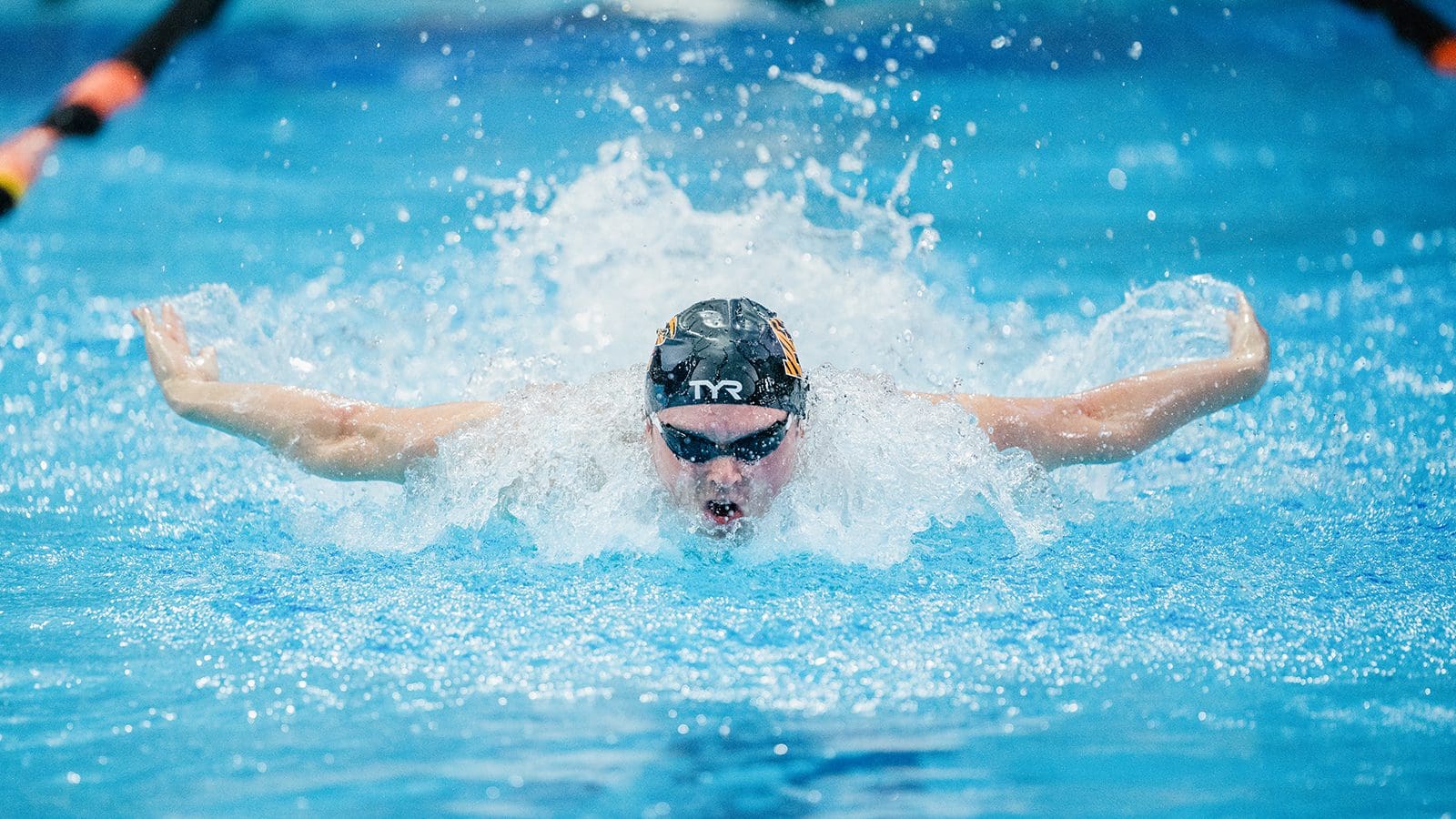
Algorithms for swimming, and life
For Conor McKenna, success, whether in the pool or in computer science, has been about creating efficient sets of steps to achieve a desired output.
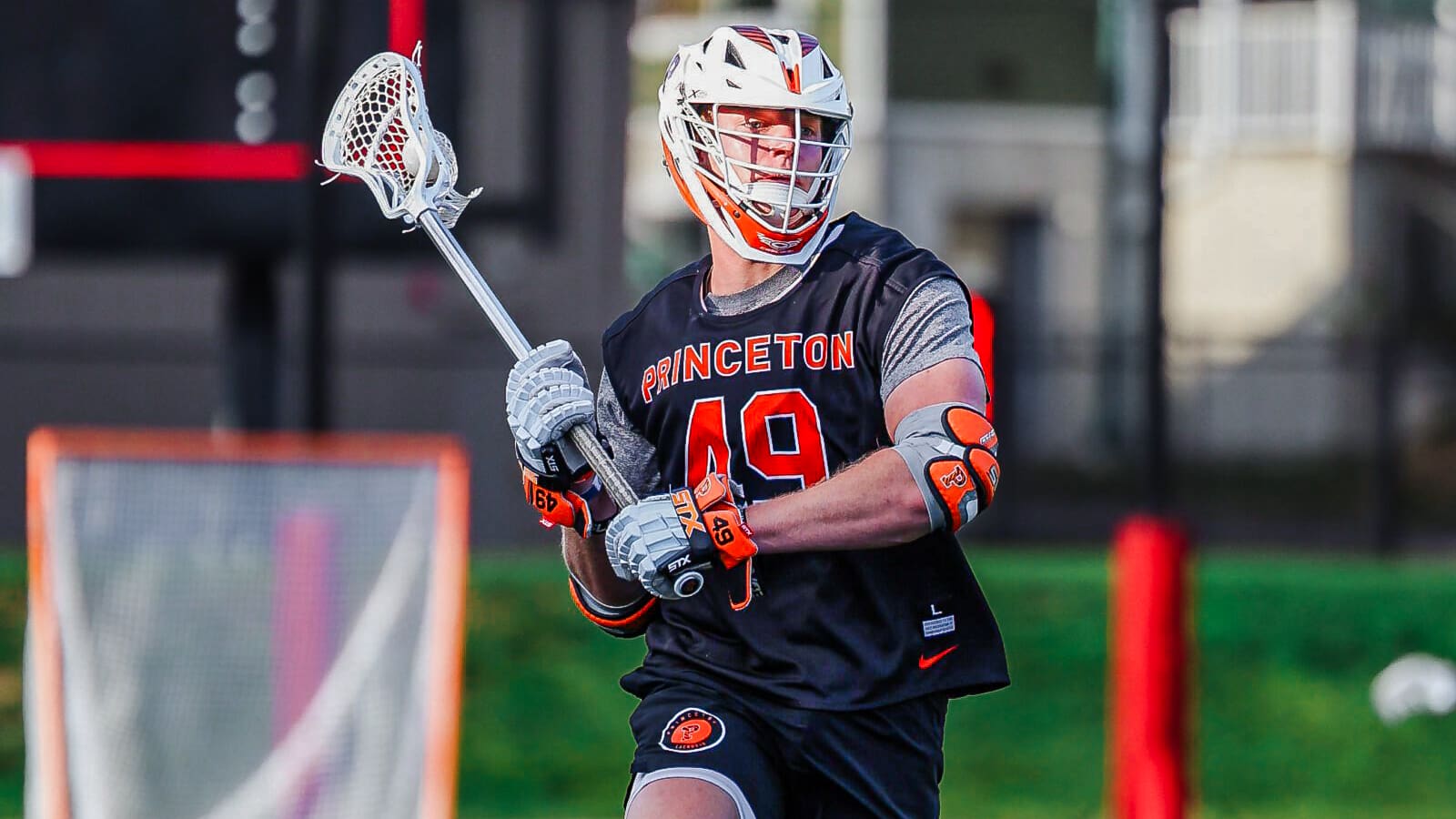
Contagious energy
Lacrosse player Tyler Harris was drawn to the hands-on approach and collaborative style of mechanical and aerospace engineering.
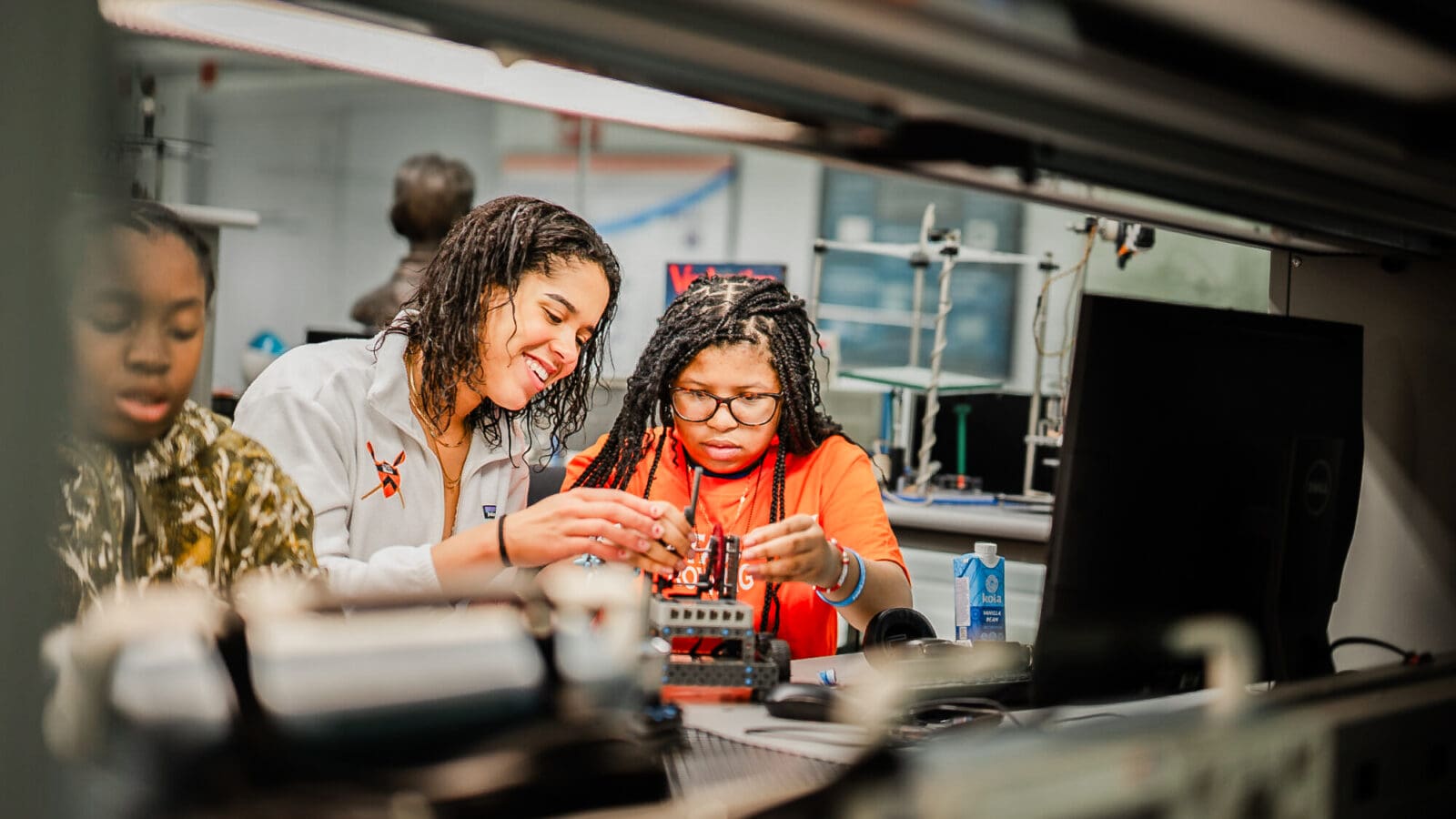
Princeton engineers coach middle schoolers in rowing and robotics
The STEM to Stern afterschool program brings local students to the University’s boathouse and to engineering teaching labs, where they build and program robots for tasks like stacking blocks.
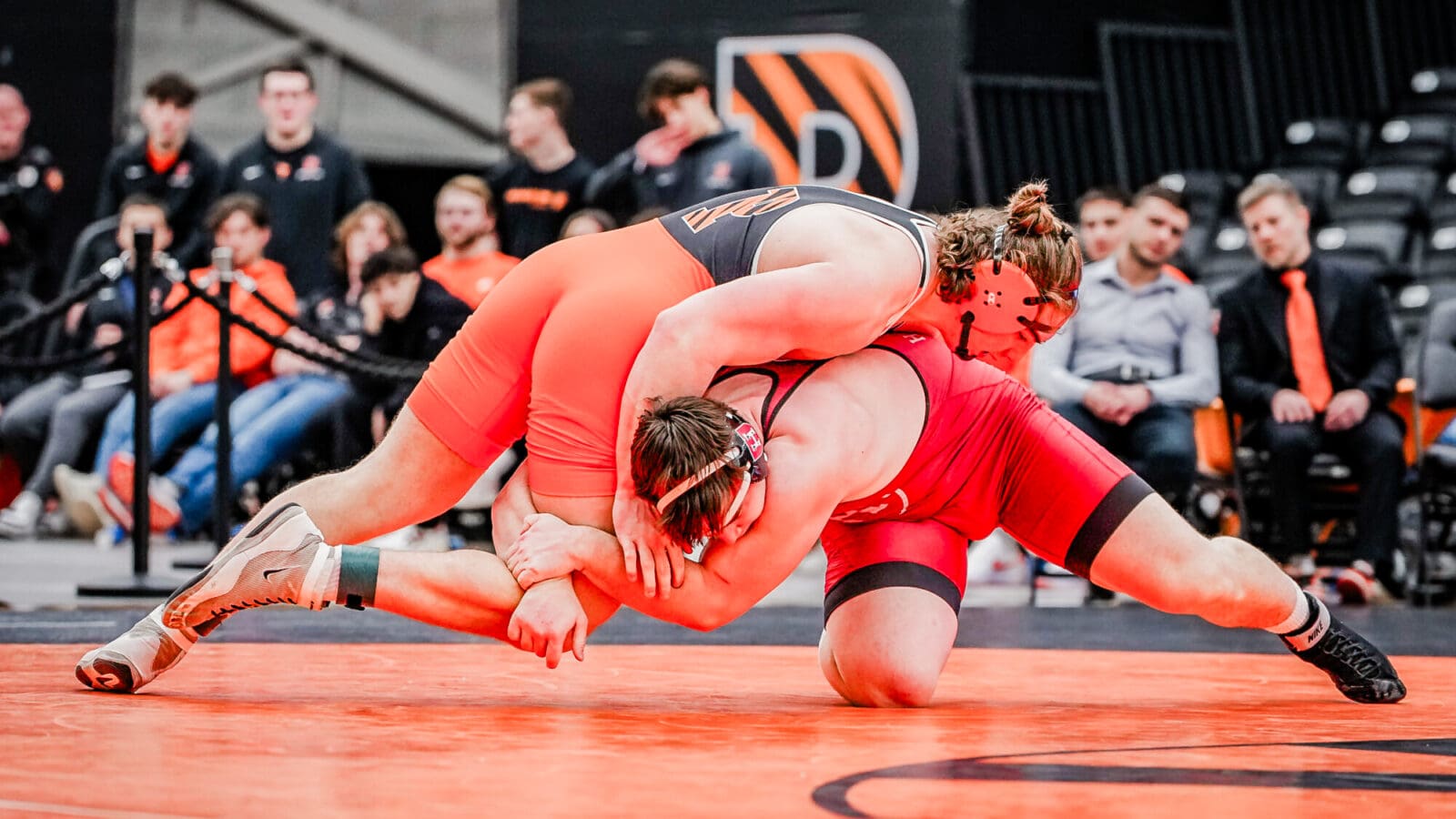
Wrestling life into balance
Sebastian Garibaldi has a job lined up developing a robot that does housework. Engineering problems activate his analytical mind, while wrestling activates something almost purely physical. “Brutish,” he said.