From hurdles to heat mapping: Bringing it all together
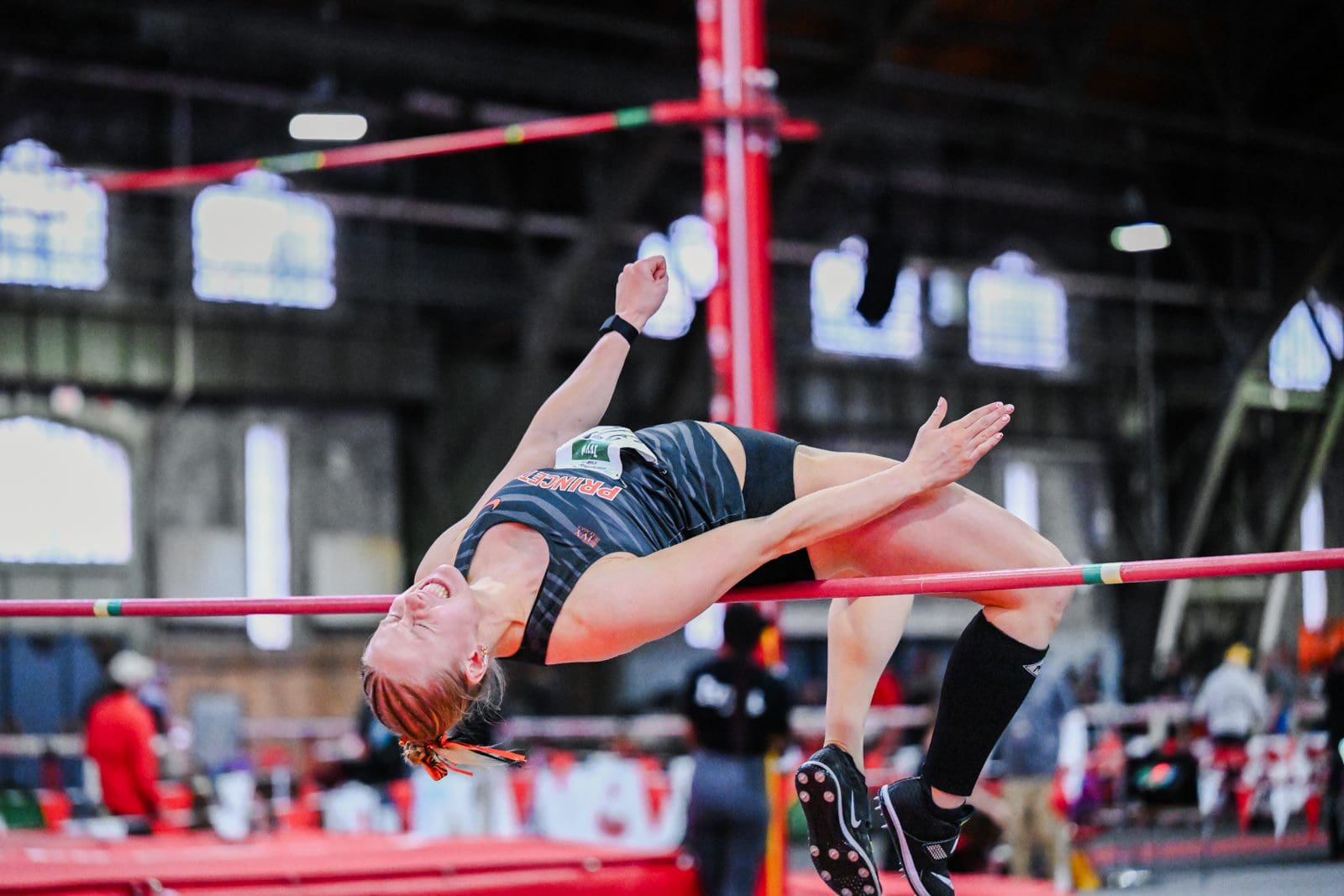
Growing up pursuing a sport that requires mastery of sprints, hurdles, shot put, and high jump, Julia Jongejeugd knows how to do more than one thing well. And not just in sports.
As a preschooler, Jongejeugd was captivated by track and field events on TV, and at age 6 she began training at a club near her home in the Netherlands. She also started creating virtual cities in video games, and heard a talk by an architect that spurred her interest in the built environment. She chose Princeton because it was one of the few places where she could combine engineering studies with high-level competition in the pentathlon and heptathlon.
Now a senior in civil and environmental engineering, she is seeking new approaches for relieving heat stress in cities. Her senior thesis focuses on interactions between building height, tree canopy, and urban heat. By integrating satellite imagery with data sets on buildings and trees, “I’m trying to simulate real-world neighborhoods without actually having to do a field survey,” said Jongejeugd.
With Chennai, India, and Accra, Ghana, as test cases, she hopes to gain insights into how Global South cities can mitigate rising temperatures.
Few analyses have considered the roles of both buildings and tree canopies. “A lot of studies focus on one or the other,” she said. “I want to bring it all together.”
“You just have to keep up your rhythm and move as fast as you can go. If you’re having a good race, you can feel it.”
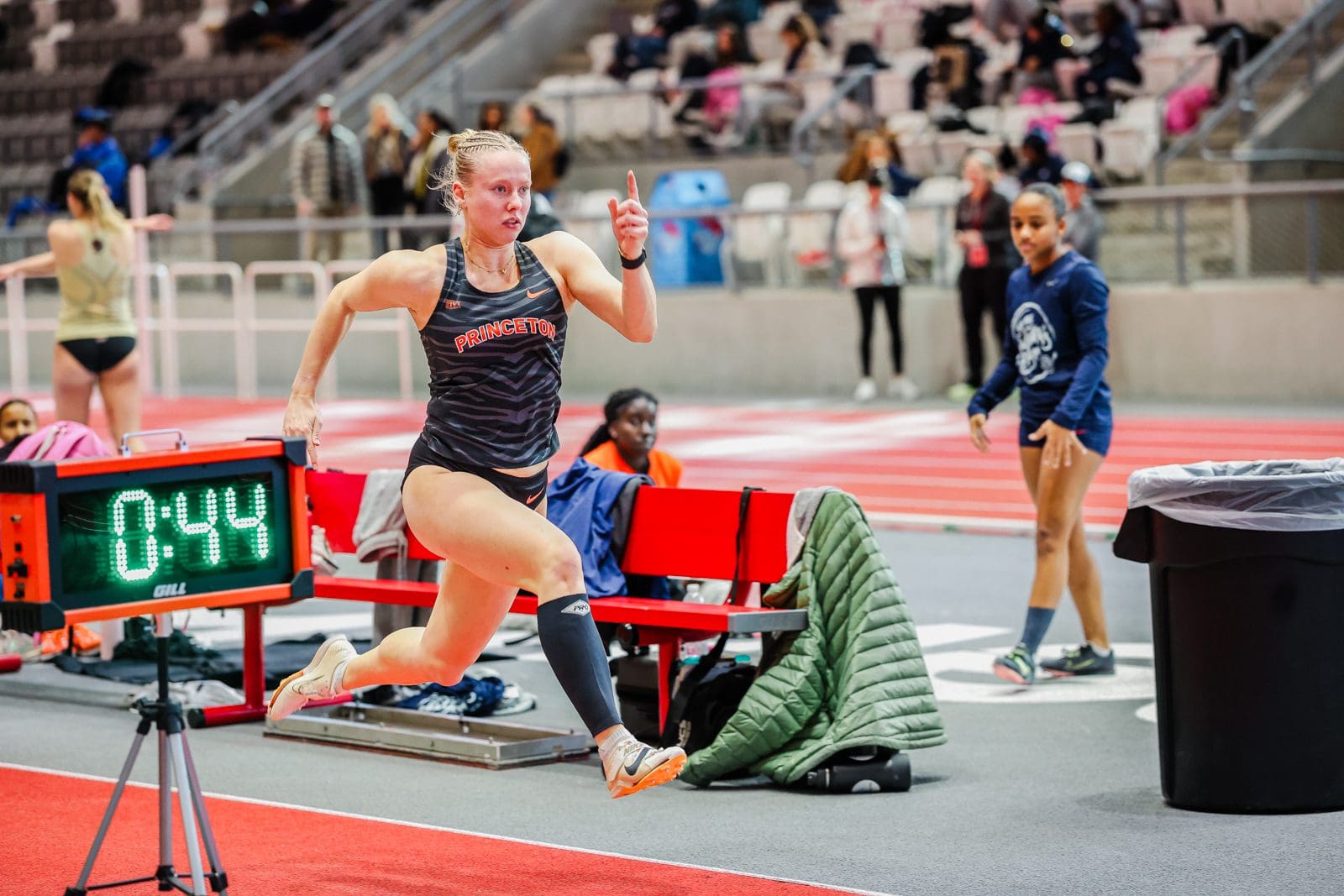
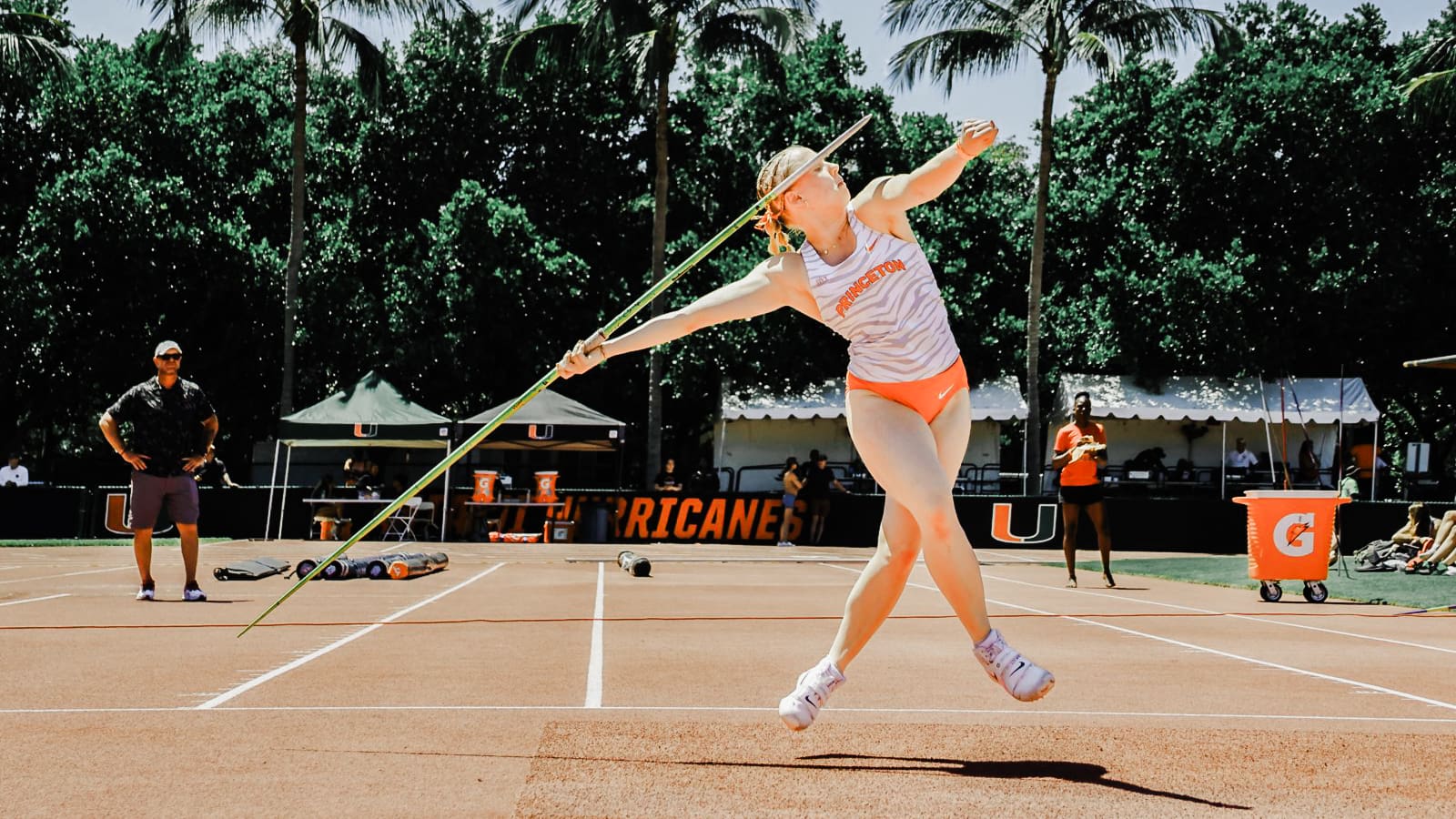
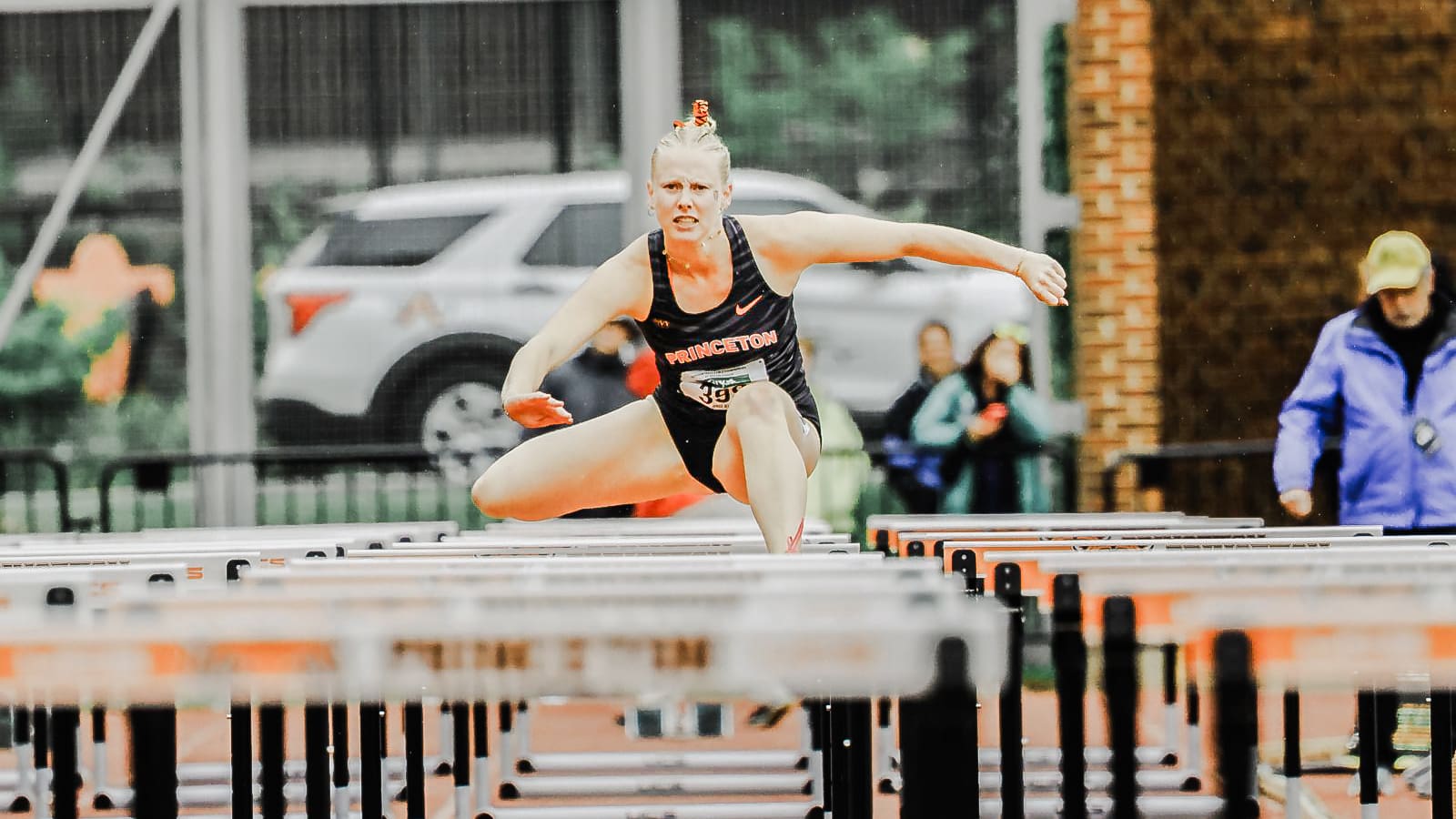
Bringing it all together is what Jongejeugd does as an athlete. While the 60-meter hurdle race is her forte, she also excels at the high jump and at throwing javelin and shot put. She was crowned Ivy Champion in the outdoor heptathlon in both 2024 and 2025, and the indoor pentathlon 2025.
In her final season at Princeton, Jongejeugd is training for more track and field victories while planning for a civil engineering master’s degree in Europe.
She would love to compete at the World University Games in 2027, and is also looking to try a decathlon, which would mean training for new events like discus and pole vaulting. But hurdles will always be her favorite.
“You just focus on the first hurdle, and then you get into your rhythm,” she said. “You just have to keep up your rhythm and move as fast as you can go. If you’re having a good race, you can feel it.”
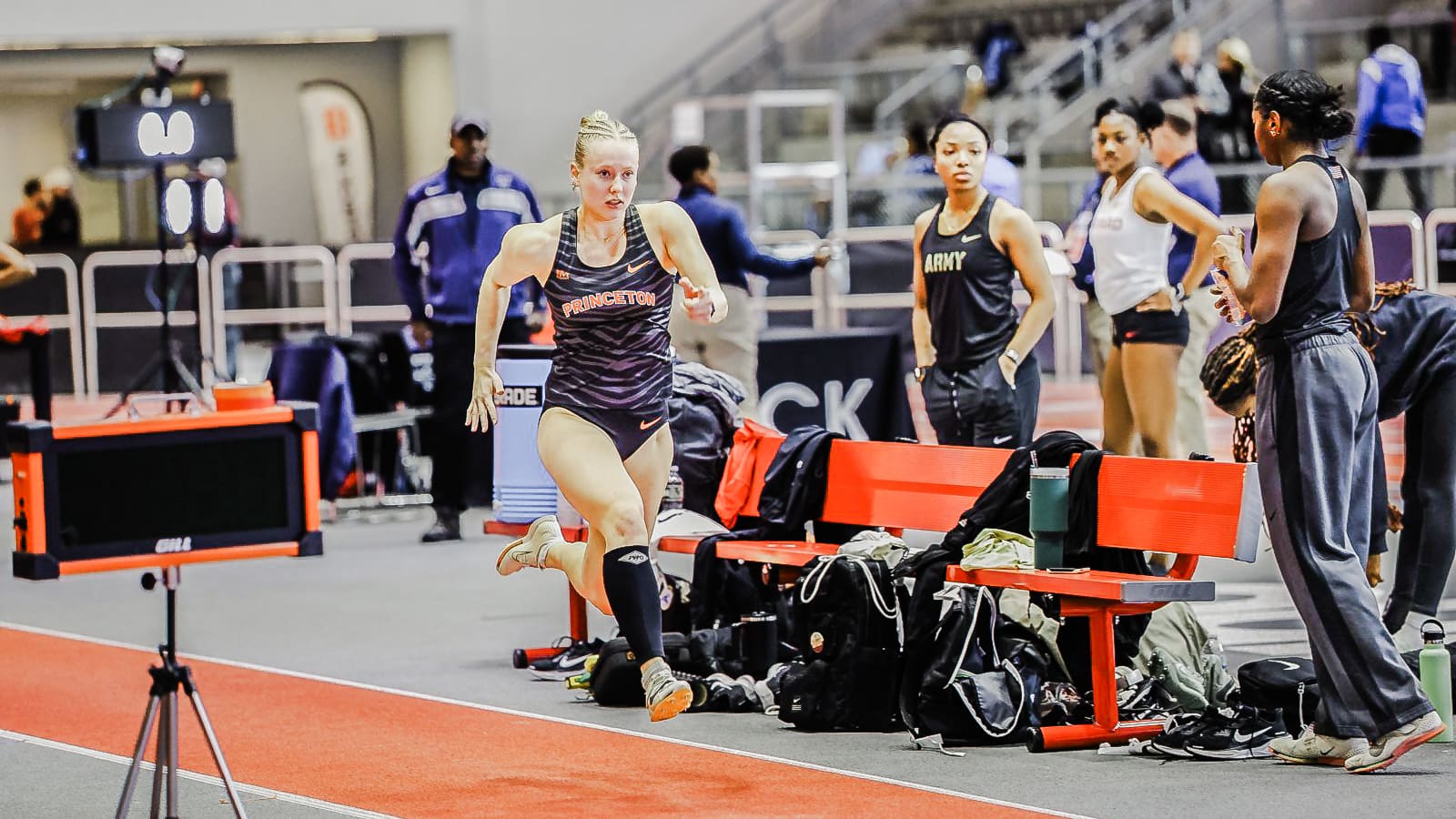

The Engineering Student Athlete
Engineering student athletes train and compete at a high level while also designing robots, building computer algorithms, and planning for climate resilience.
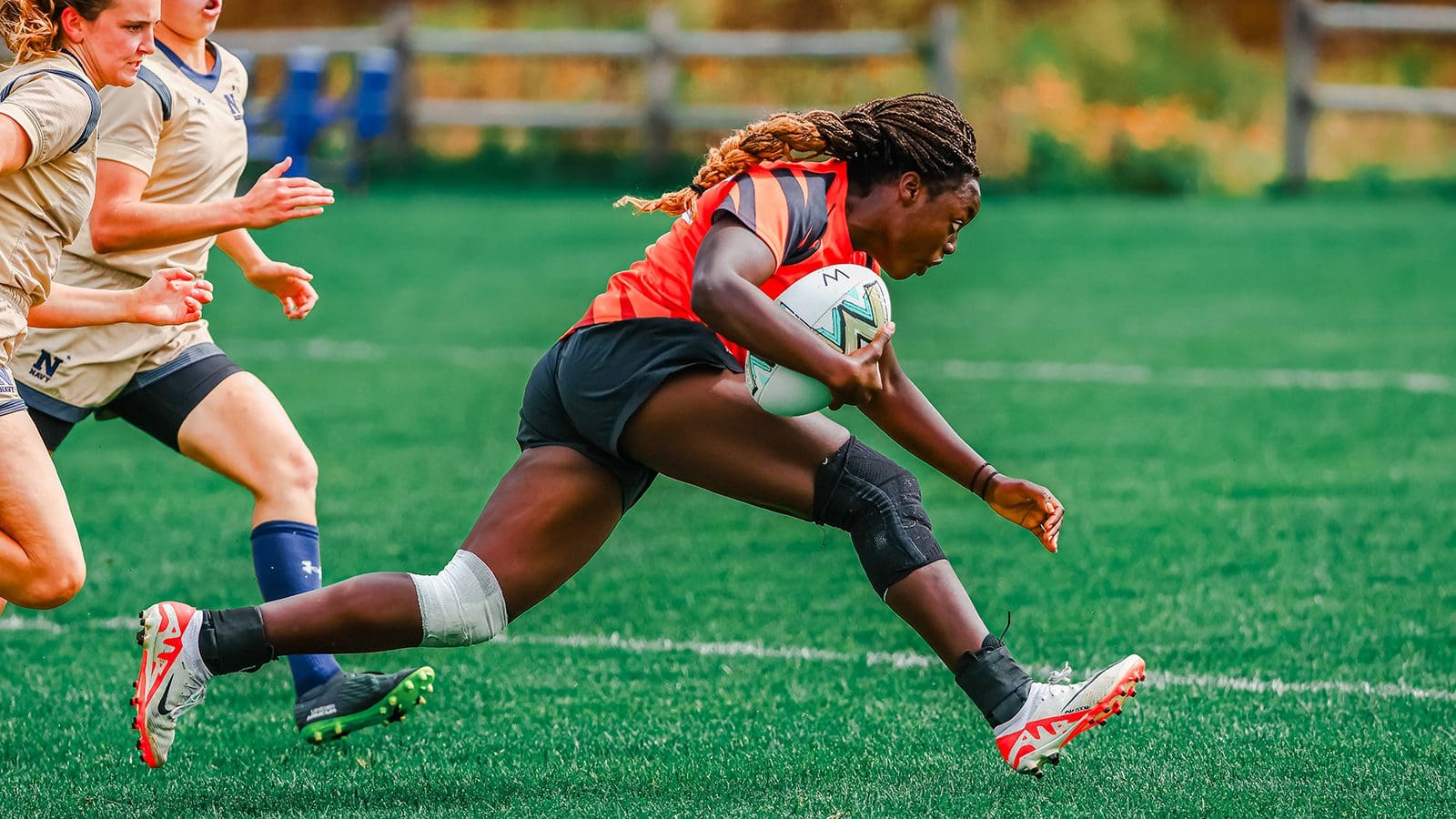
A commitment to connect
For rugby player Malinka Kwemo, taking a breadth of classes reveals new ways of thinking about engineering and how it intersects with other fields.

Rower-engineer awarded Pyne Prize, Princeton’s top undergraduate honor
Braeden Carroll’s academic pursuits have bridged engineering, the humanities, social sciences, and policy studies, including extensive interdisciplinary fieldwork.
From hurdles to heat mapping: Bringing it all together
Growing up pursuing a sport that requires mastery of sprints, hurdles, shot put and high jump, Julia Jongejeugd knows how to do more than one thing well. And not just in sports.
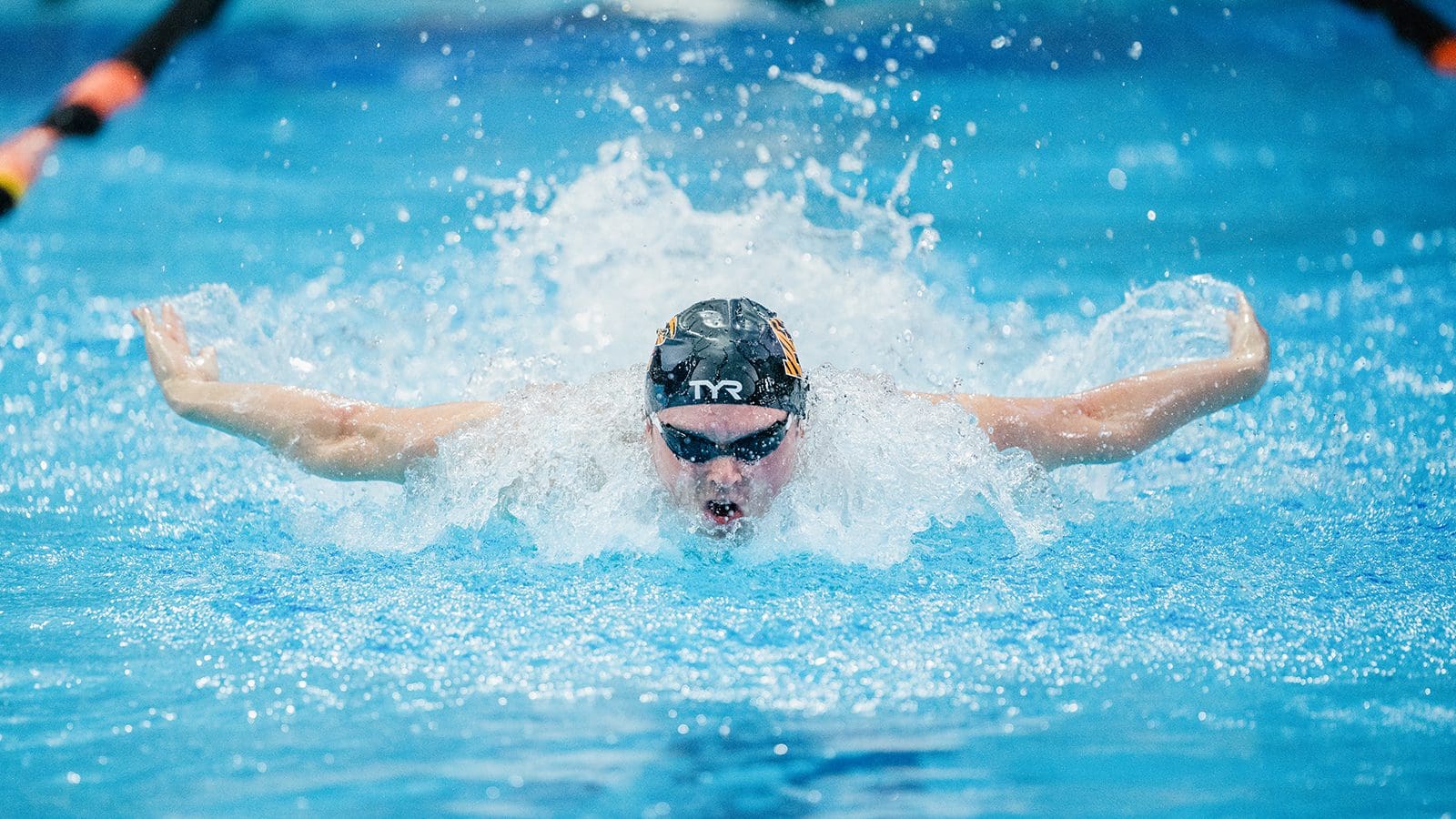
Algorithms for swimming, and life
For Conor McKenna, success, whether in the pool or in computer science, has been about creating efficient sets of steps to achieve a desired output.
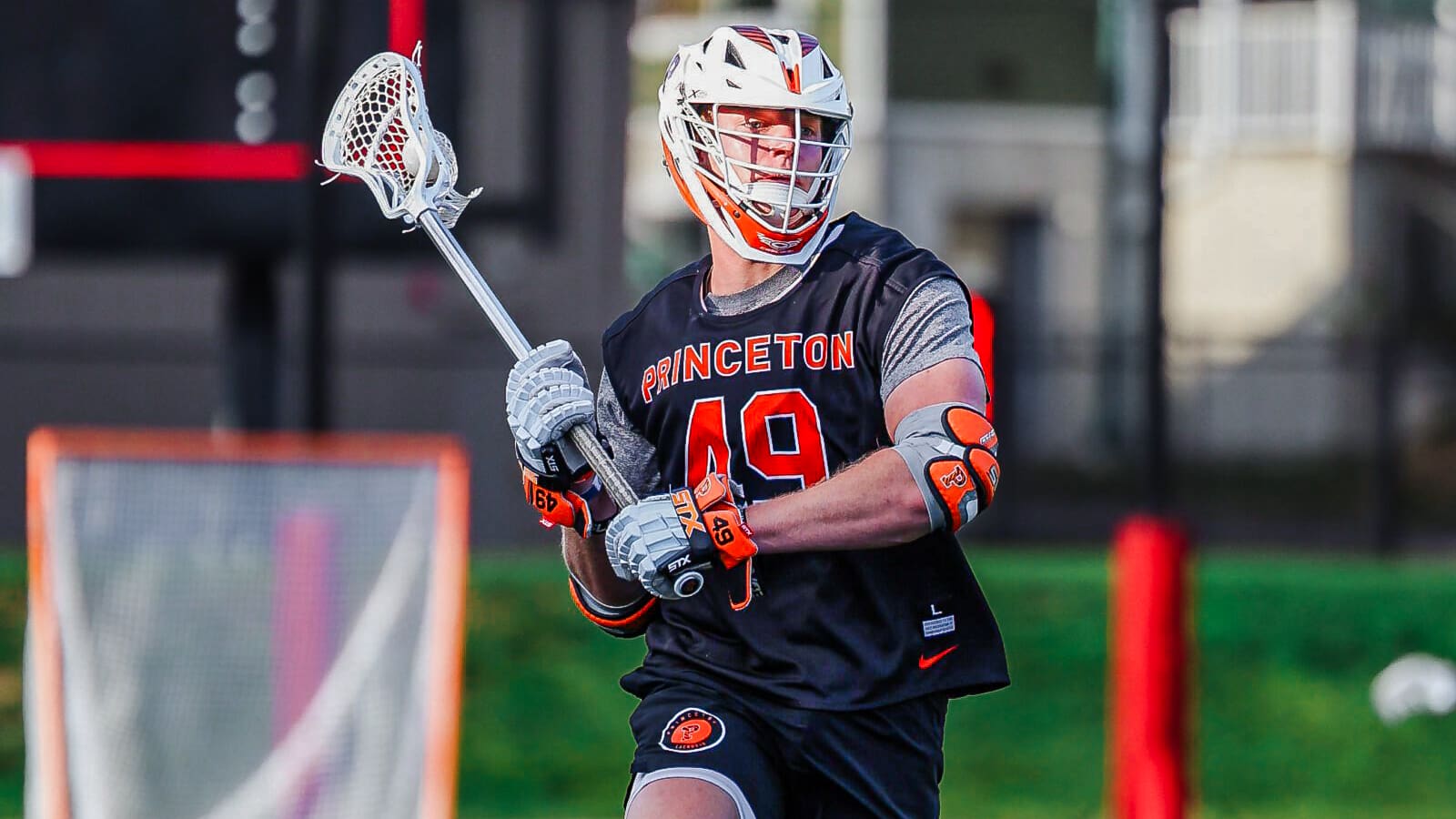
Contagious energy
Lacrosse player Tyler Harris was drawn to the hands-on approach and collaborative style of mechanical and aerospace engineering.
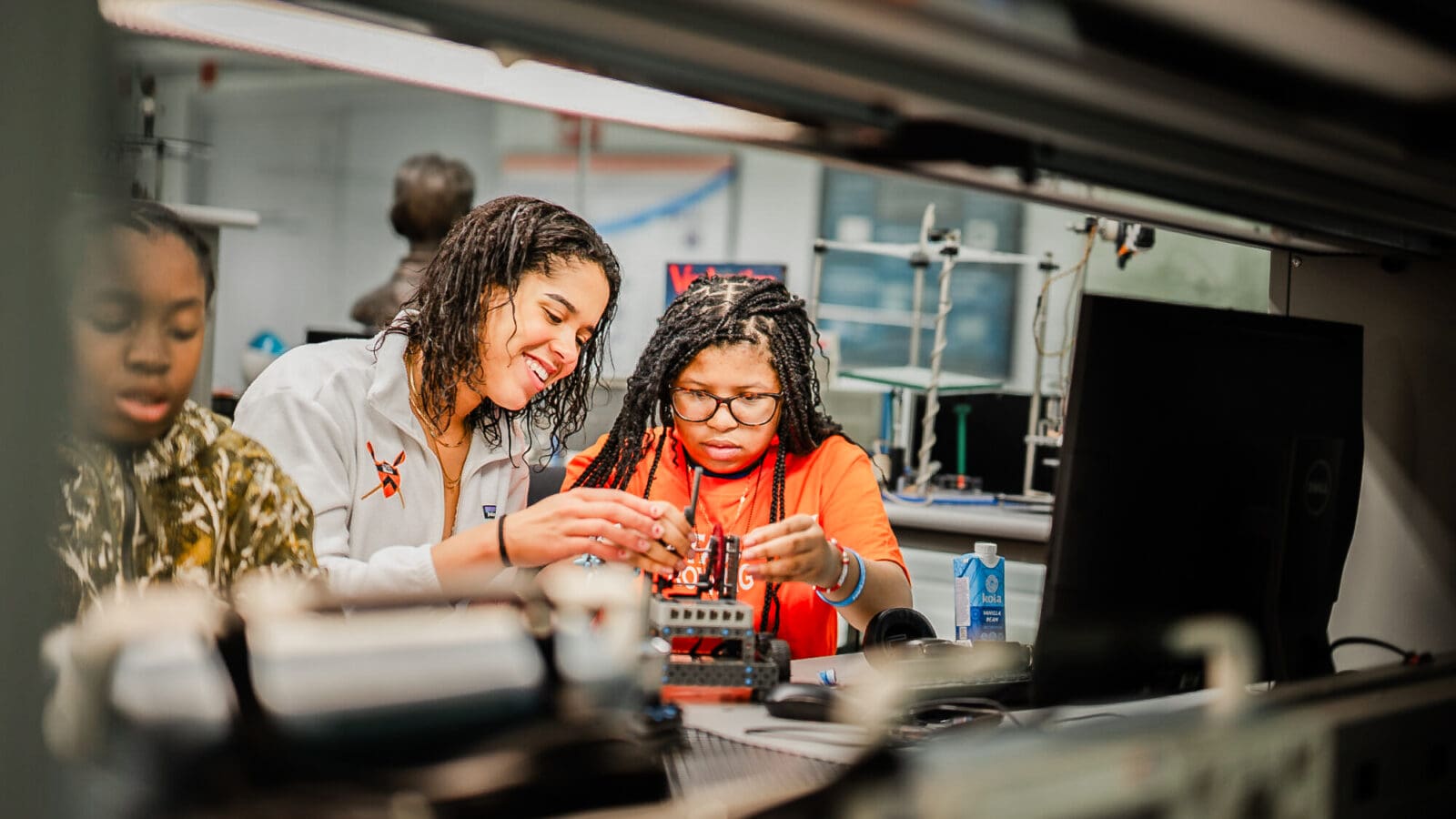
Princeton engineers coach middle schoolers in rowing and robotics
The STEM to Stern afterschool program brings local students to the University’s boathouse and to engineering teaching labs, where they build and program robots for tasks like stacking blocks.
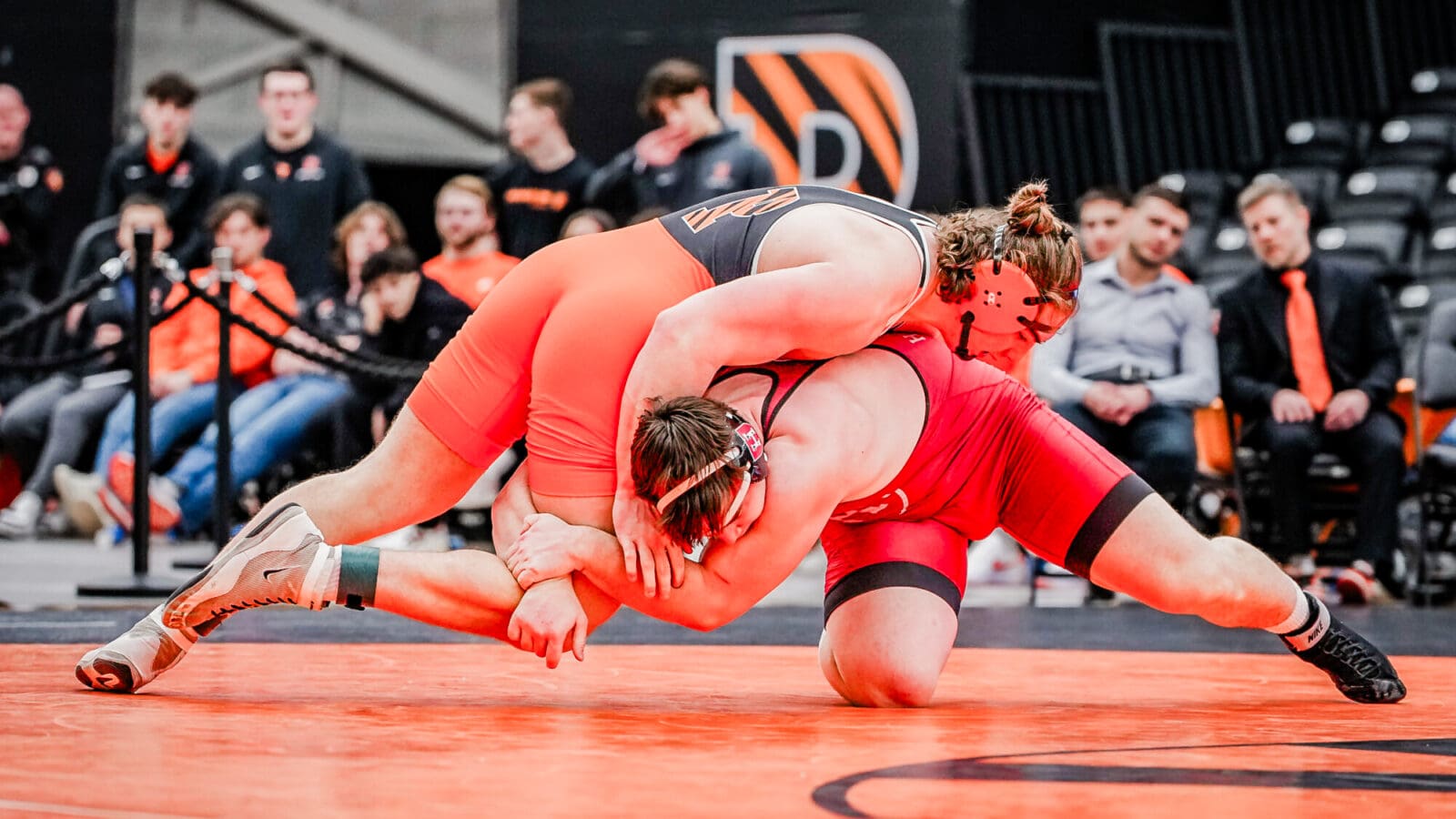
Wrestling life into balance
Sebastian Garibaldi has a job lined up developing a robot that does housework. Engineering problems activate his analytical mind, while wrestling activates something almost purely physical. “Brutish,” he said.