Contagious energy
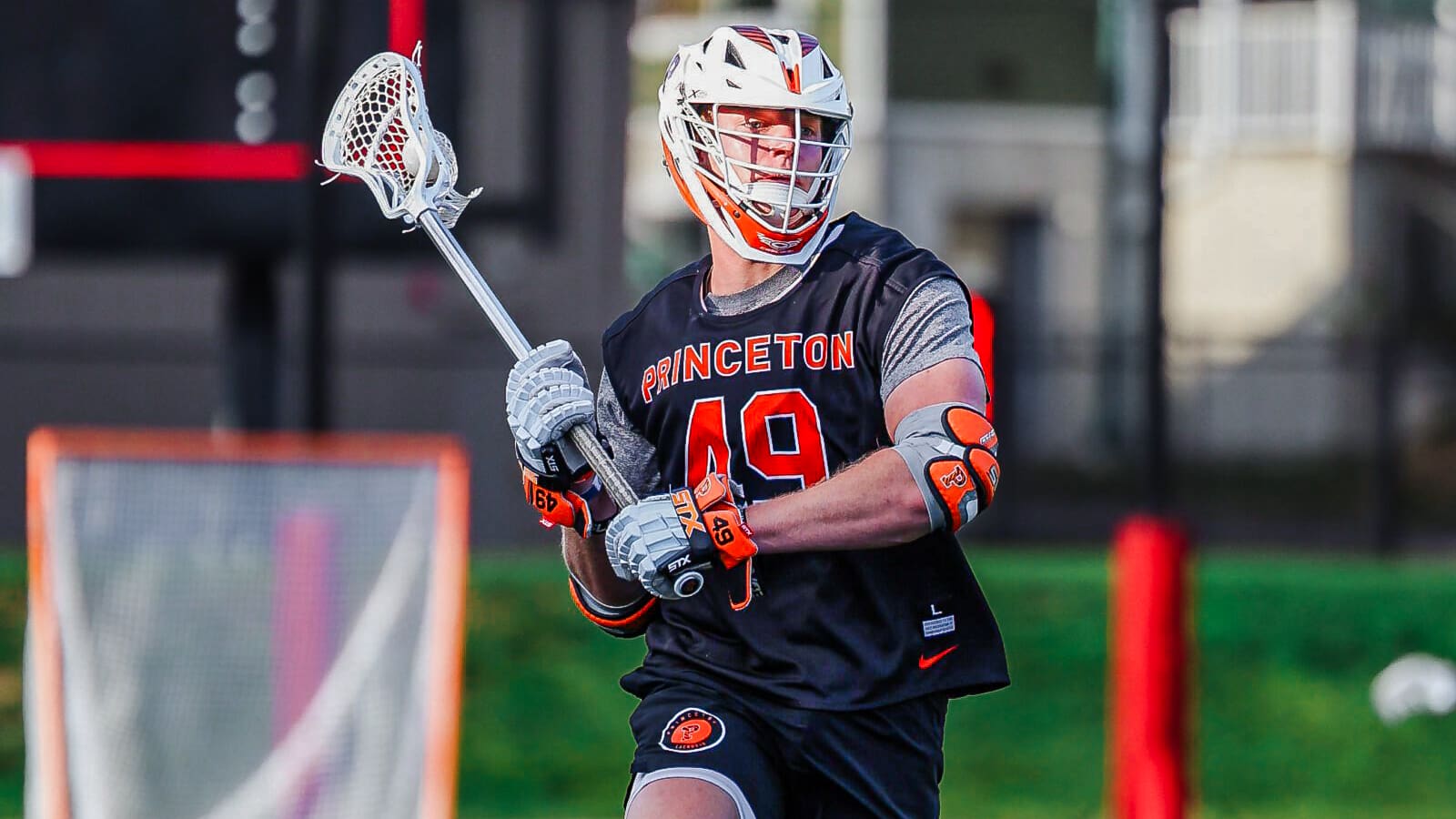
Tyler Harris is a team player, but when he arrived at Princeton in 2023, he found himself without a team.
“I love being on a team,” said Harris, now a junior. Teammates provide energy and focus. “You’re bouncing ideas off each other, you’re communicating, you’re working together.”
Harris played football, basketball, and lacrosse in high school, but hadn’t been recruited by Princeton.
“Sports have always been a part of my life,” he said. “I knew I wanted to play a sport in college.” He focused on lacrosse, trained during the summer, and joined the team in the fall.
Not long after, he joined another team: the mechanical and aerospace engineering department (MAE). He was drawn to the hands-on approach and collaborative style of MAE courses.
“I love being on a team. You’re bouncing ideas off each other, you’re communicating, you’re working together.”
One of his favorite classes was Engineering Design, where students learn to design and build products in groups. In MAE, even individual assignments, like problem sets, can be done collaboratively. “When I start to study alone, I lose motivation,” he said.
Last summer, Harris worked in assistant professor Ryne Beeson’s lab on a project to identify stable low-altitude lunar orbits. The moon isn’t a perfect sphere and has uneven gravity, so finding such orbits is difficult. Harris worked with two graduate students to build models and simulate orbit paths.
Lately, he’s become fascinated by aerospace, particularly innovations in commercial aviation. Companies are building electric planes, faster planes, planes that are more environmentally friendly. He’s taking courses on aerospace design and energy conversion and the environment in the spring semester, hoping to broaden his experience in aerospace engineering.
It’s also an exciting semester for the men’s lacrosse team, which was ranked second in Division I. “Our goal is to win a national championship,” Harris said. “We talk about it every day. It’s awesome to walk in the locker room and have that energy. It’s contagious.”
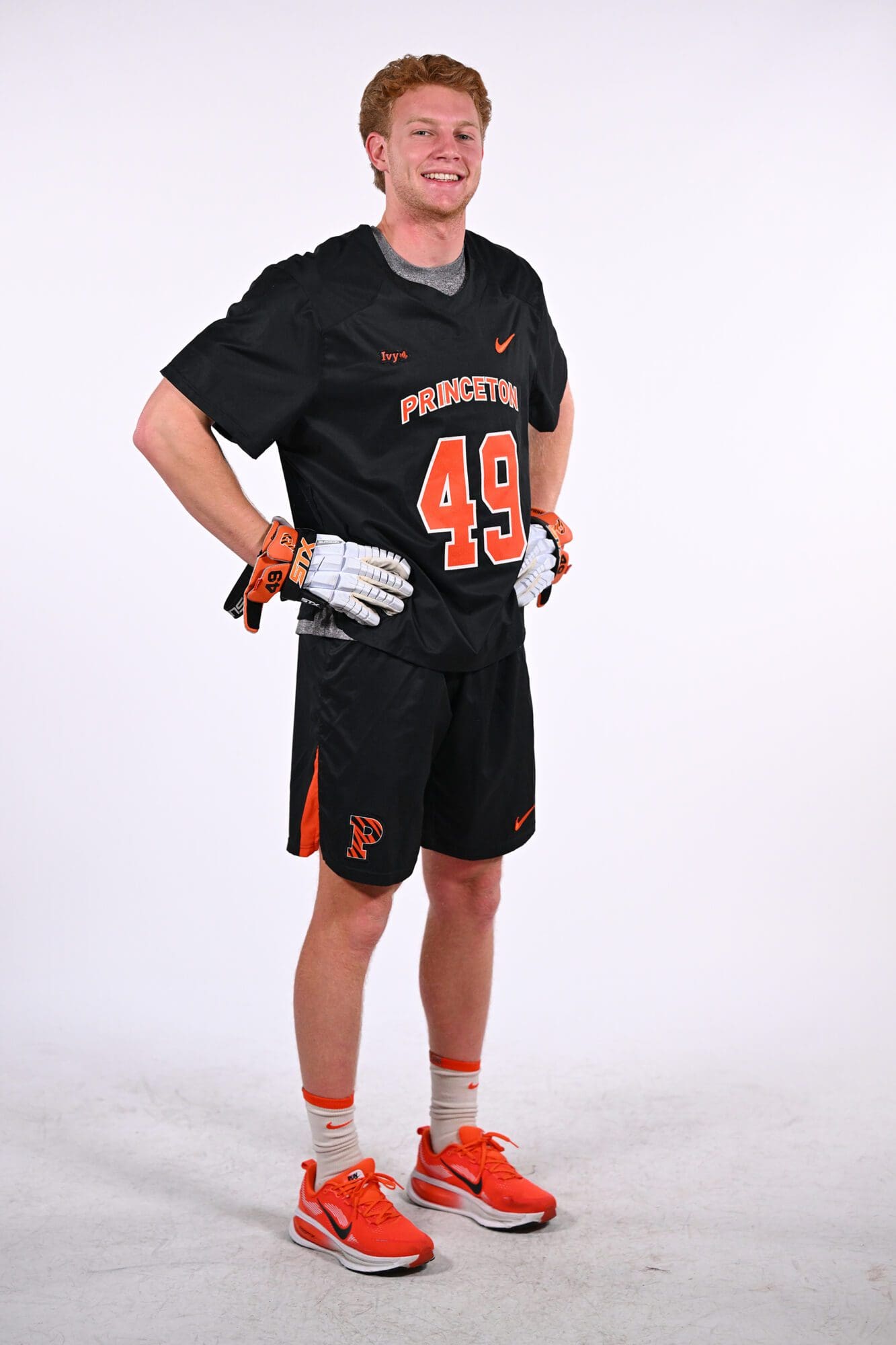

The Engineering Student Athlete
Engineering student athletes train and compete at a high level while also designing robots, building computer algorithms, and planning for climate resilience.
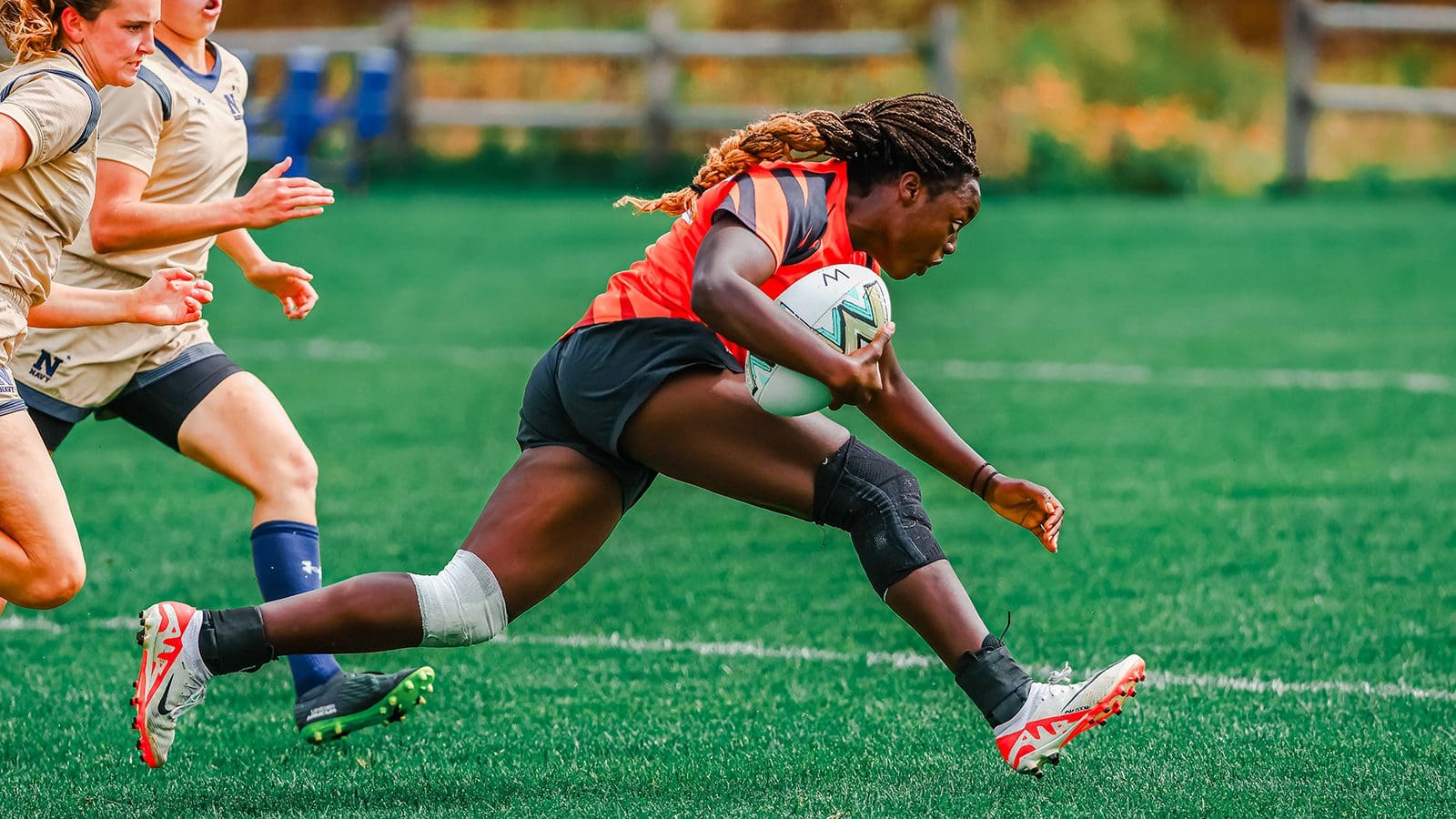
A commitment to connect
For rugby player Malinka Kwemo, taking a breadth of classes reveals new ways of thinking about engineering and how it intersects with other fields.
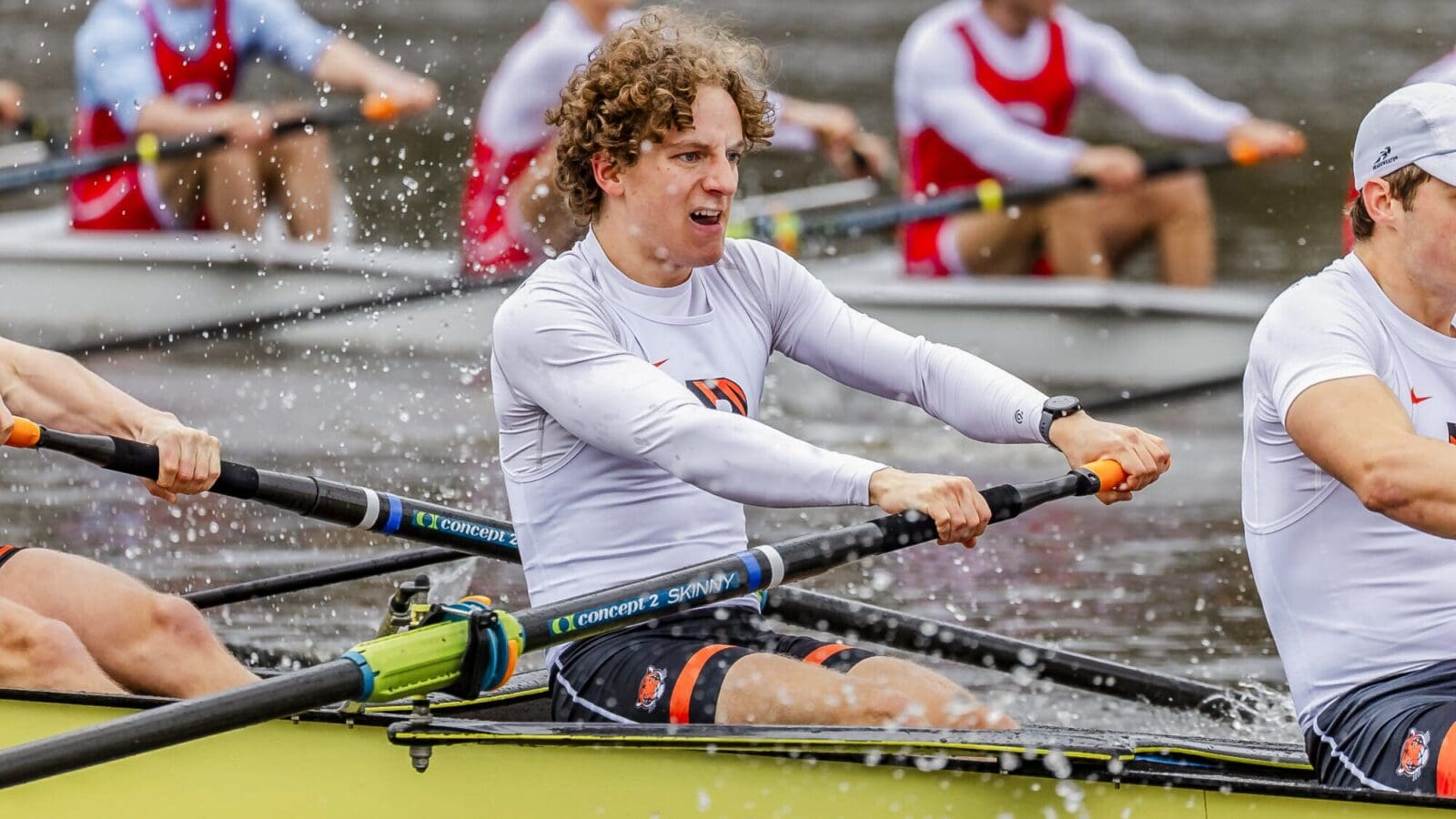
Rower-engineer awarded Pyne Prize, Princeton’s top undergraduate honor
Braeden Carroll’s academic pursuits have bridged engineering, the humanities, social sciences, and policy studies, including extensive interdisciplinary fieldwork.
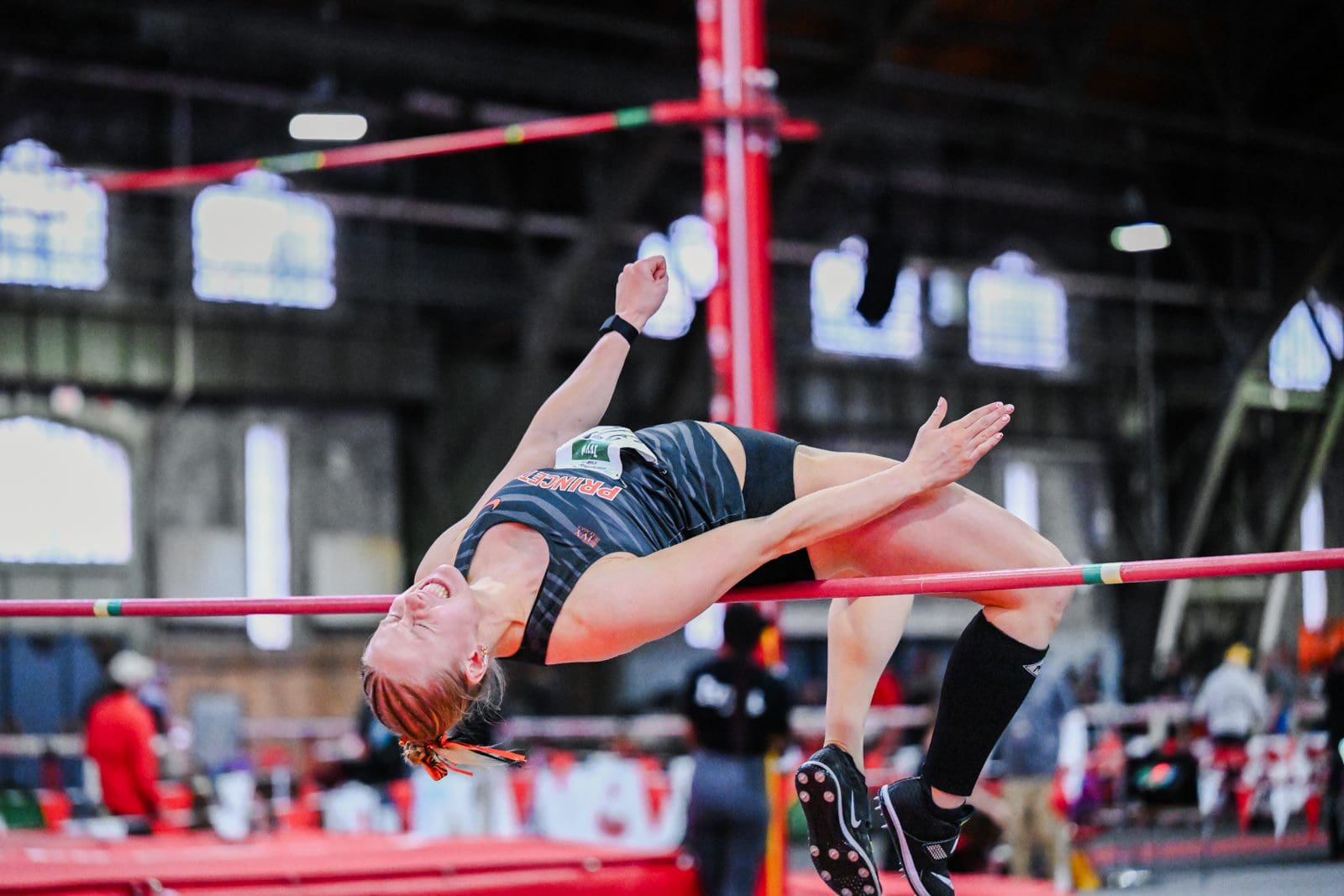
From hurdles to heat mapping: Bringing it all together
Growing up pursuing a sport that requires mastery of sprints, hurdles, shot put and high jump, Julia Jongejeugd knows how to do more than one thing well. And not just in sports.
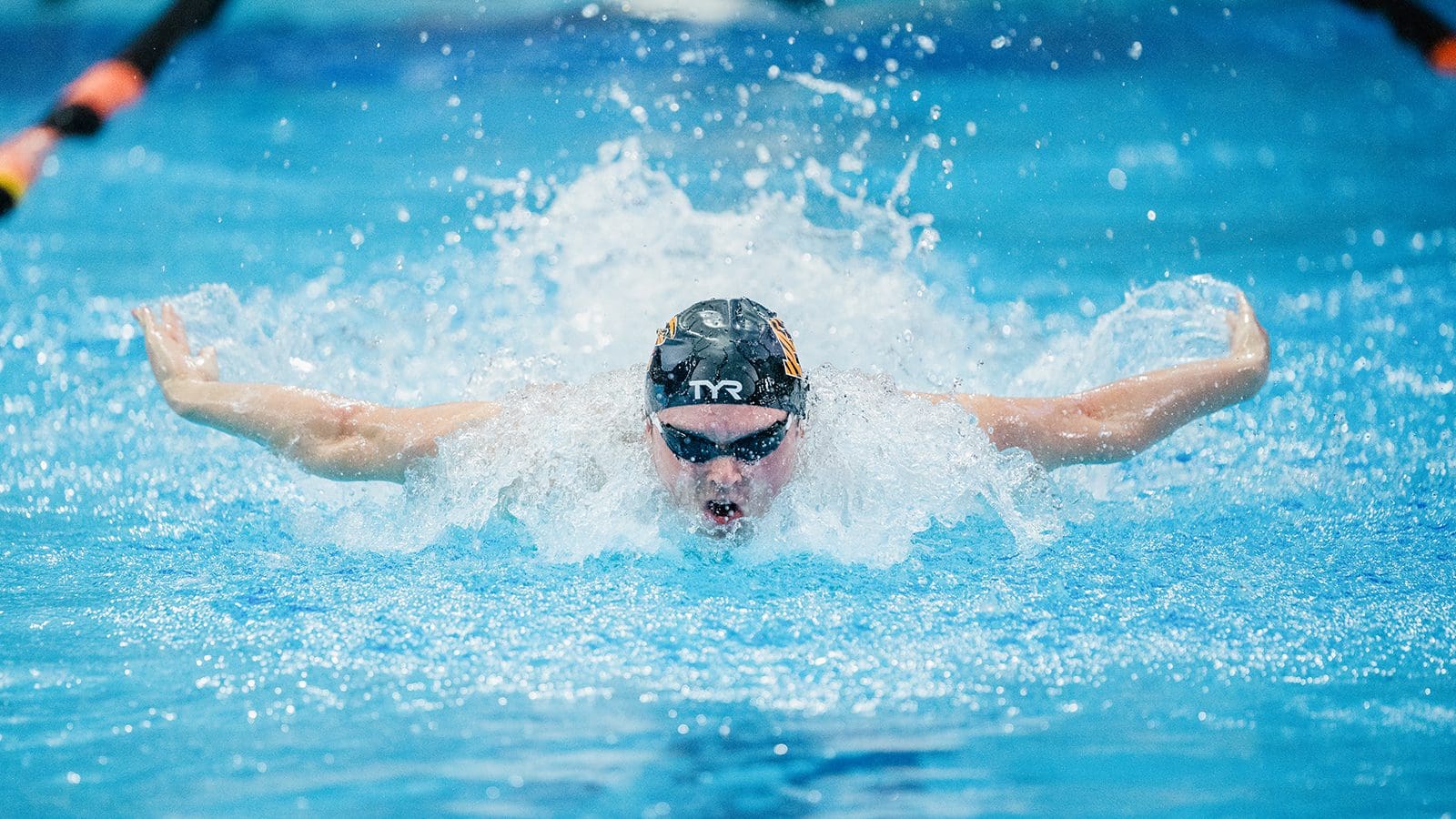
Algorithms for swimming, and life
For Conor McKenna, success, whether in the pool or in computer science, has been about creating efficient sets of steps to achieve a desired output.
Contagious energy
Lacrosse player Tyler Harris was drawn to the hands-on approach and collaborative style of mechanical and aerospace engineering.
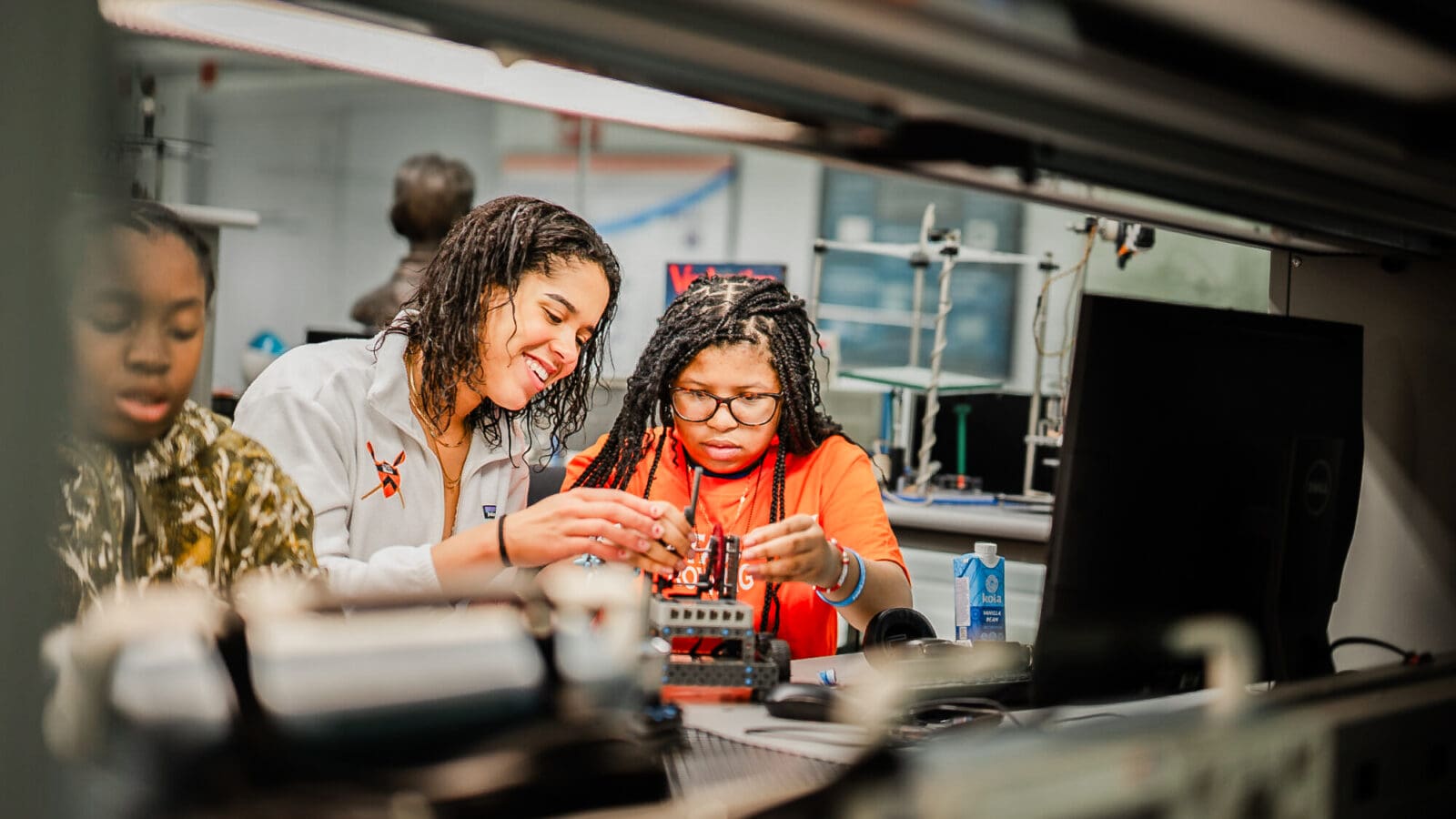
Princeton engineers coach middle schoolers in rowing and robotics
The STEM to Stern afterschool program brings local students to the University’s boathouse and to engineering teaching labs, where they build and program robots for tasks like stacking blocks.
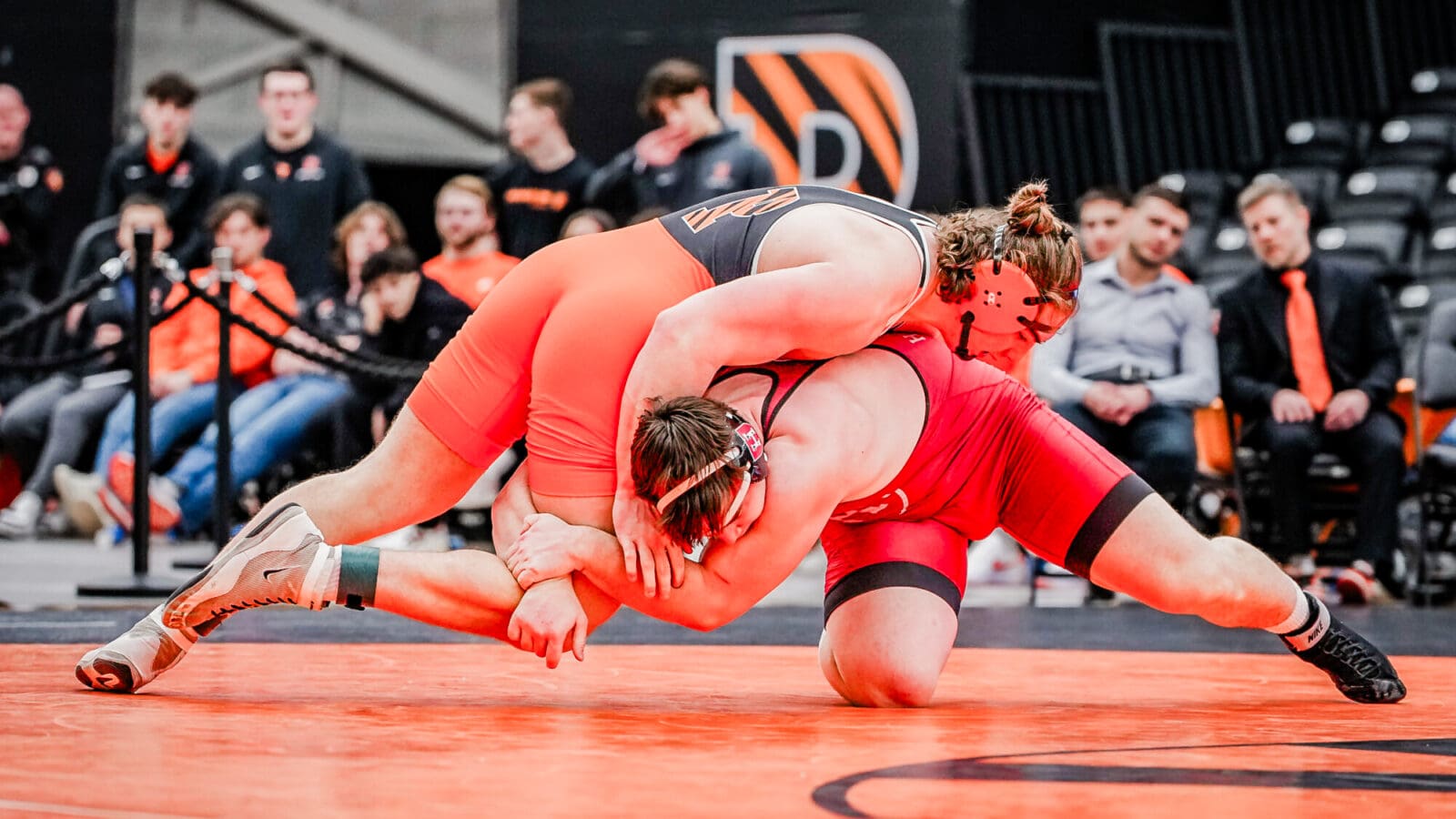
Wrestling life into balance
Sebastian Garibaldi has a job lined up developing a robot that does housework. Engineering problems activate his analytical mind, while wrestling activates something almost purely physical. “Brutish,” he said.