Princeton engineers coach middle schoolers in rowing and robotics
From the moment she took her first strokes in a training barge on Mercer Lake, Mimi Cuevas knew she had found much more than a new after-school activity.
“In middle school, things were so hectic,” said Cuevas, now a junior at Pennsbury High School in Fairless Hills, Pennsylvania. But after rowing practice, she felt “peace throughout my day.”
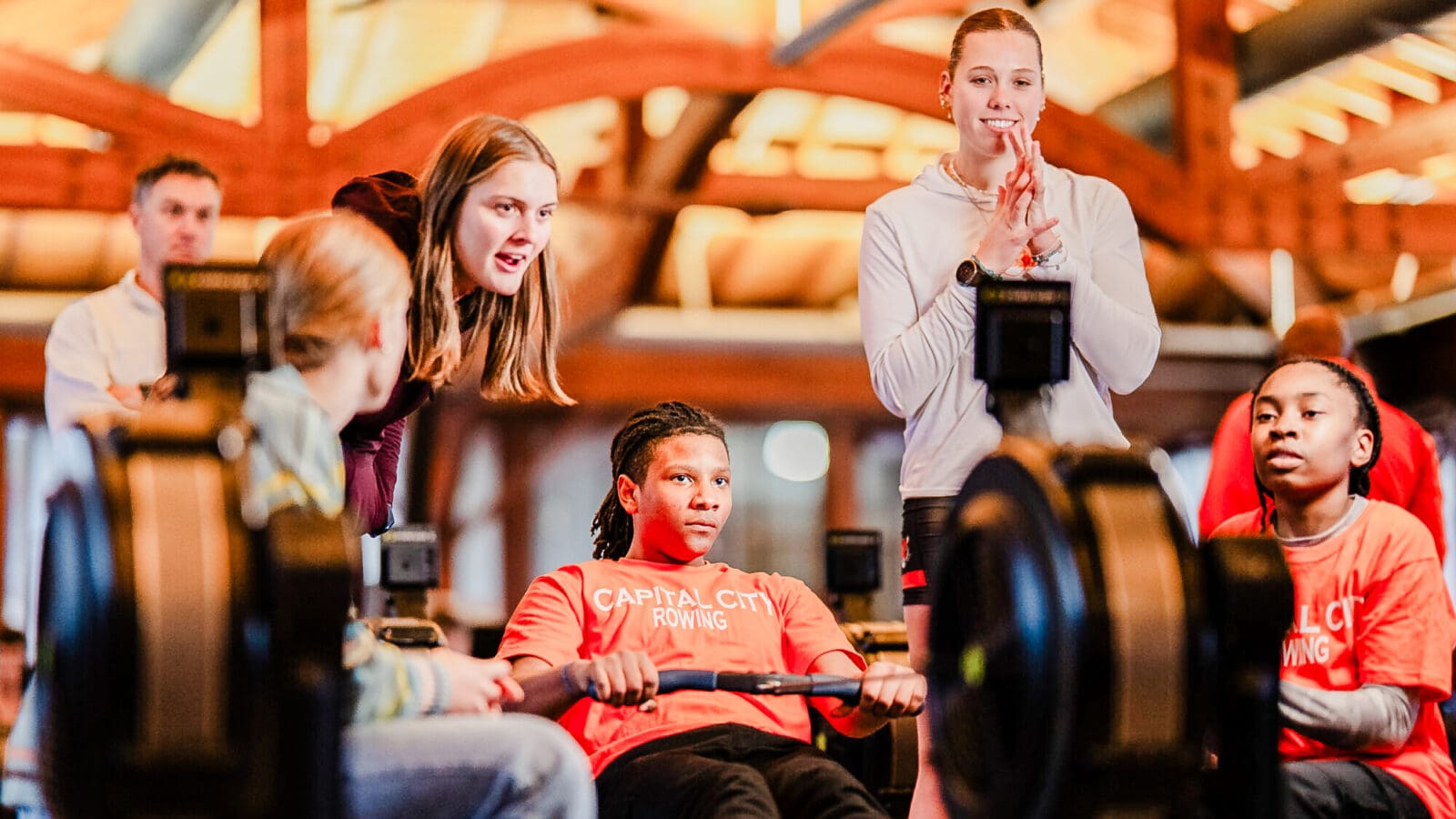
Cuevas is one of more than 40 students who have learned to row through Princeton’s STEM to Stern program since it began in 2021. STEM to Stern brings middle schoolers from the Princeton area to the University and to Caspersen Rowing Center in nearby Mercer County Park, where Princeton’s rowers — including many engineering students — coach them in rowing and science and engineering projects.
Launched in 2016 in Milwaukee, the nonprofit works with 24 partner rowing clubs nationwide to eliminate barriers to rowing and offer hands-on STEM learning to students from underserved communities.
The goal is to connect rowing programs with nearby communities and “help bridge that gap,” said Greg Hughes ’96, head coach of Princeton’s heavyweight men’s rowing team and the president of STEM to Stern’s board of directors.
“It’s a great learning and teaching experience” for the Princeton rowers, Hughes said. “It’s the first time they’re actually in charge of running a practice.”
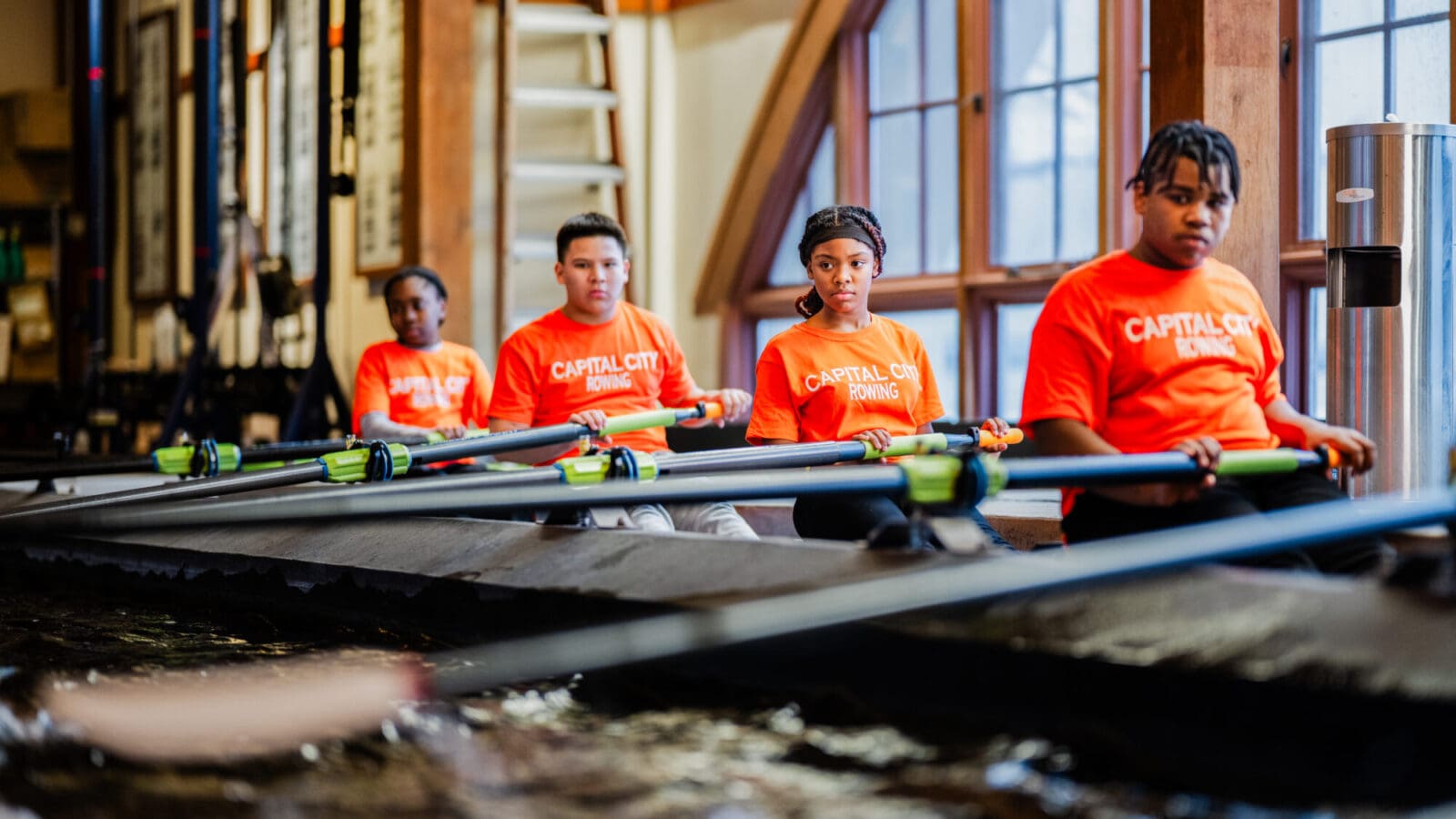
Two afternoons a week, the program brings students from Trenton middle schools to Mercer County Park or the University’s boathouse — in the winter, Princeton’s indoor rowing tanks mimic training on open water.
“They may have heard about Princeton, but to come [to campus] and go into an engineering lab, it opens their eyes up to possibilities. Maybe they never even thought about going to college, and now it’s on their mind.” — Bruce Boyd
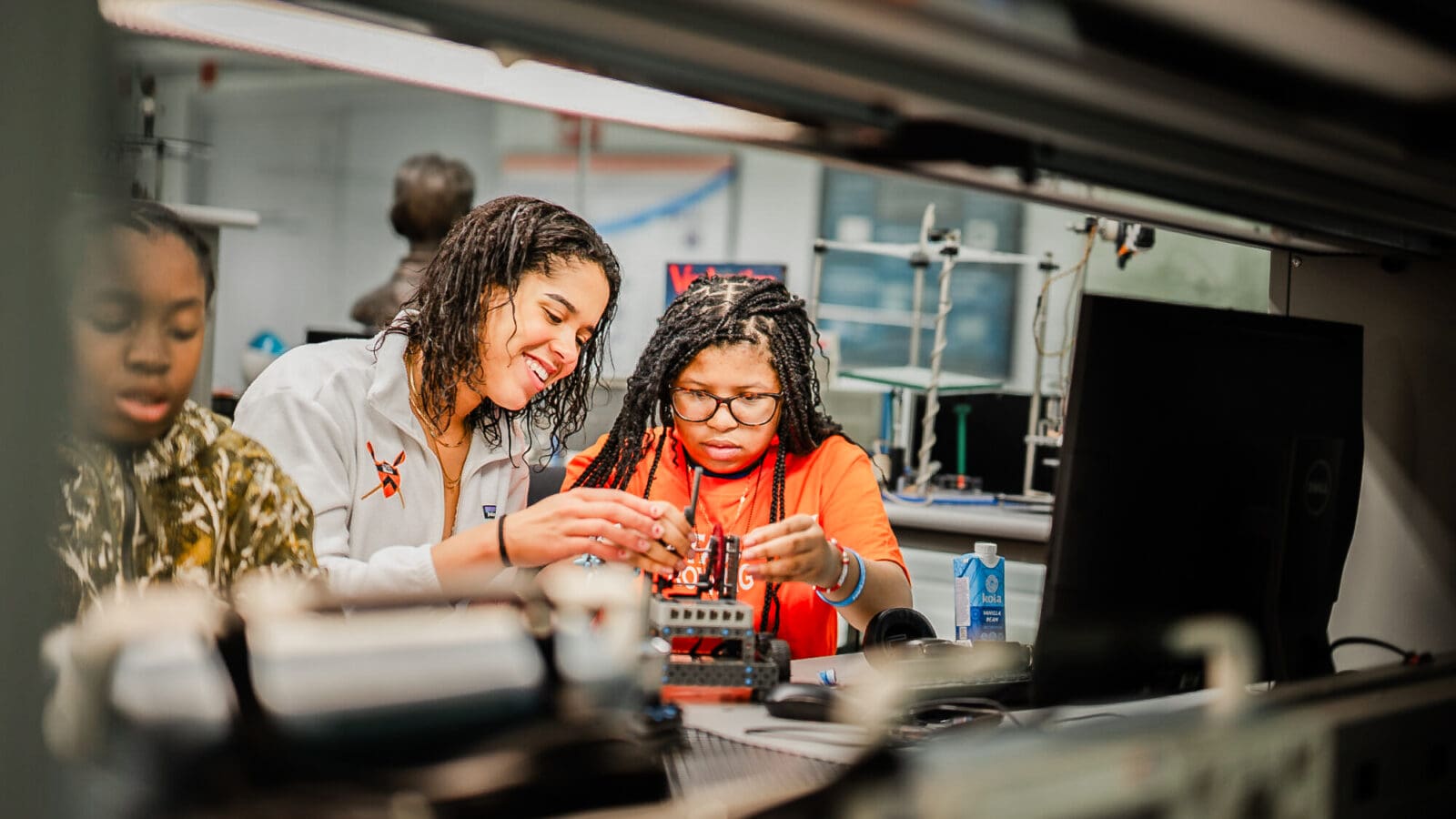
After an hour of rowing practice, Princeton rowers lead STEM projects such as bridge design, rocketry, and computer coding — often taking the middle schoolers into the University’s labs and collaborating with Princeton student clubs.
Katie DiPaola, a senior computer science major who has rowed on the women’s open team, began leading the STEM sessions in her sophomore year. Every week, she gets excited to explore new topics with the middle schoolers while fostering their teamwork and problem-solving skills. DiPaola herself fell in love with computer science around sixth grade. Watching her mother doing IT work, she went from being mystified that “she could control the computer with these lines or words” to teaching herself to code. Now, she said, “I can get lost doing it for hours.”
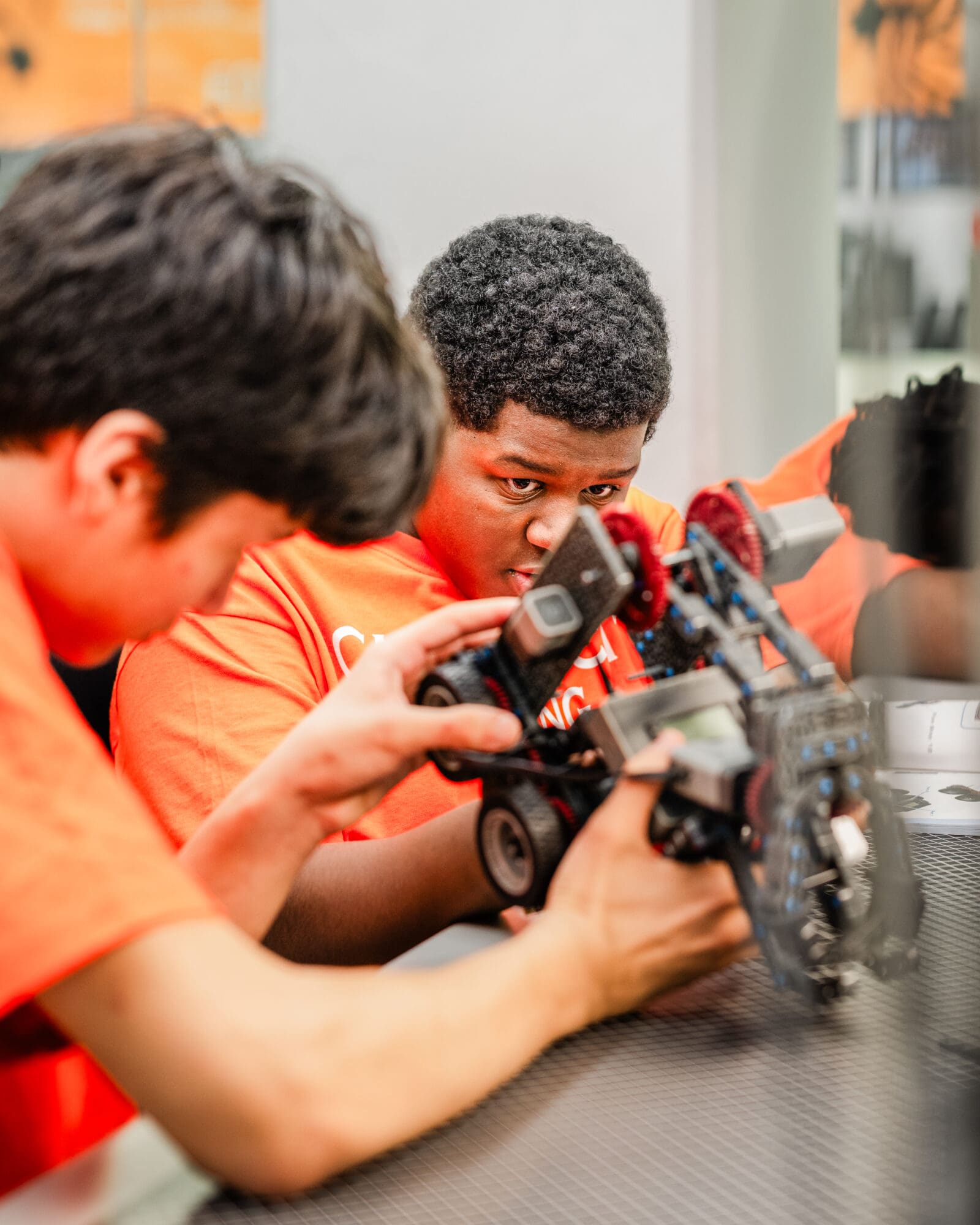
This year, Princeton is one of six STEM to Stern sites around the country where students are preparing for a VEX Robotics competition, to be held at Princeton in July. For the competition, the students are building and programming robots to carry out tasks like stacking blocks and playing freeze tag.
Bruce Boyd, a youth development specialist in Trenton who serves as a liaison between the University, the middle schools, and students’ families, said that visits to Princeton’s campus are an added benefit of the program.
“They may have heard about Princeton, but to come [to campus] and go into an engineering lab, it opens their eyes up to possibilities,” said Boyd. “Maybe they never even thought about going to college, and now it’s on their mind.”
Several STEM to Stern alumni have continued rowing in high school through the Princeton National Rowing Association’s Mercer Rowing programs. Cuevas now practices six days a week with Mercer Rowing’s varsity team and is looking forward to competing in the Mid-Atlantic Youth Championships and other races this spring.
“I really do think that rowing should be known way more,” said Cuevas. She loves telling her friends and family about the sport and the work that goes into mastering it. She sees value in sharing something that has “brought me a lot of peace and comfort and knowledge.”

The Engineering Student Athlete
Engineering student athletes train and compete at a high level while also designing robots, building computer algorithms, and planning for climate resilience.
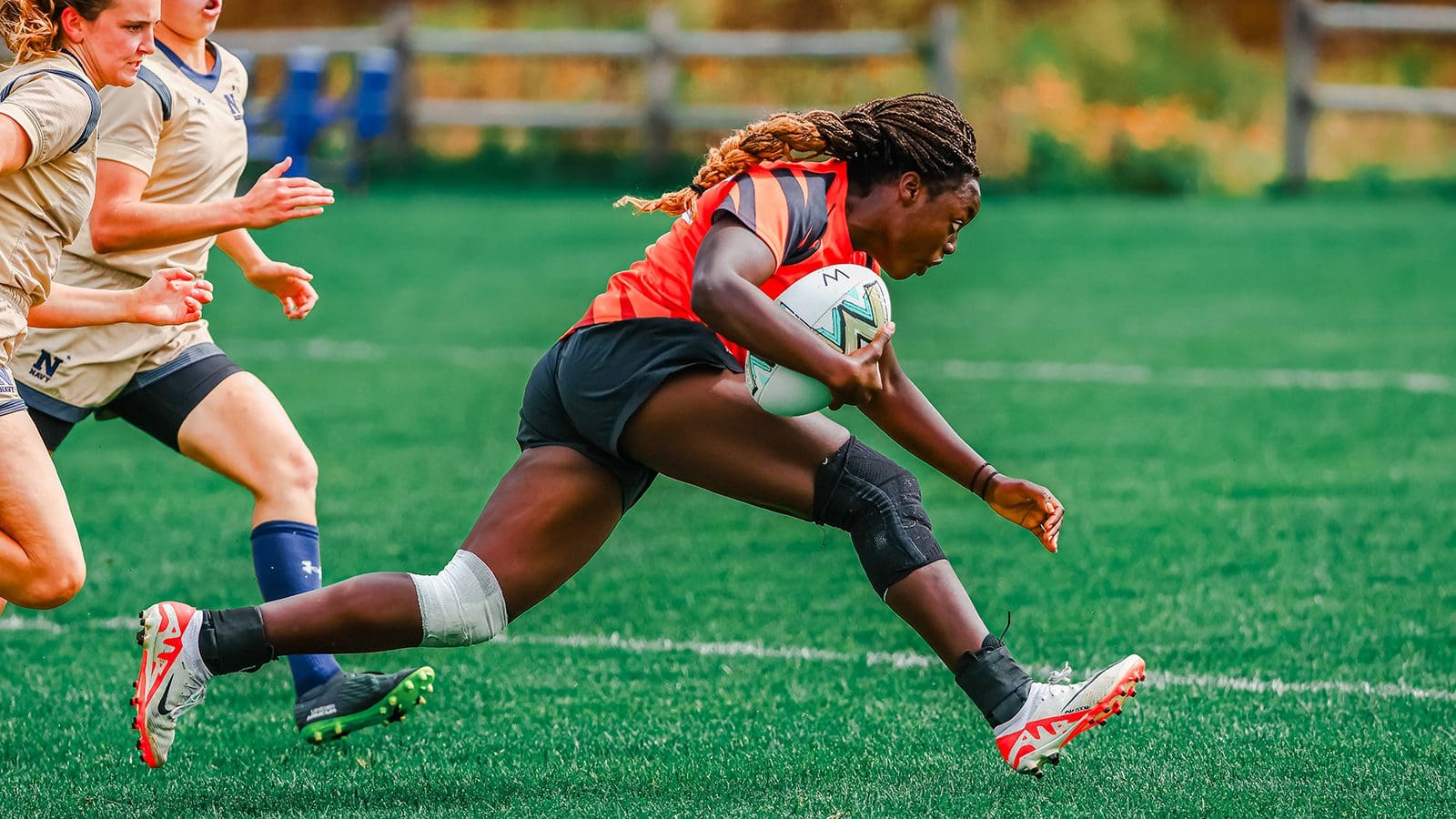
A commitment to connect
For rugby player Malinka Kwemo, taking a breadth of classes reveals new ways of thinking about engineering and how it intersects with other fields.
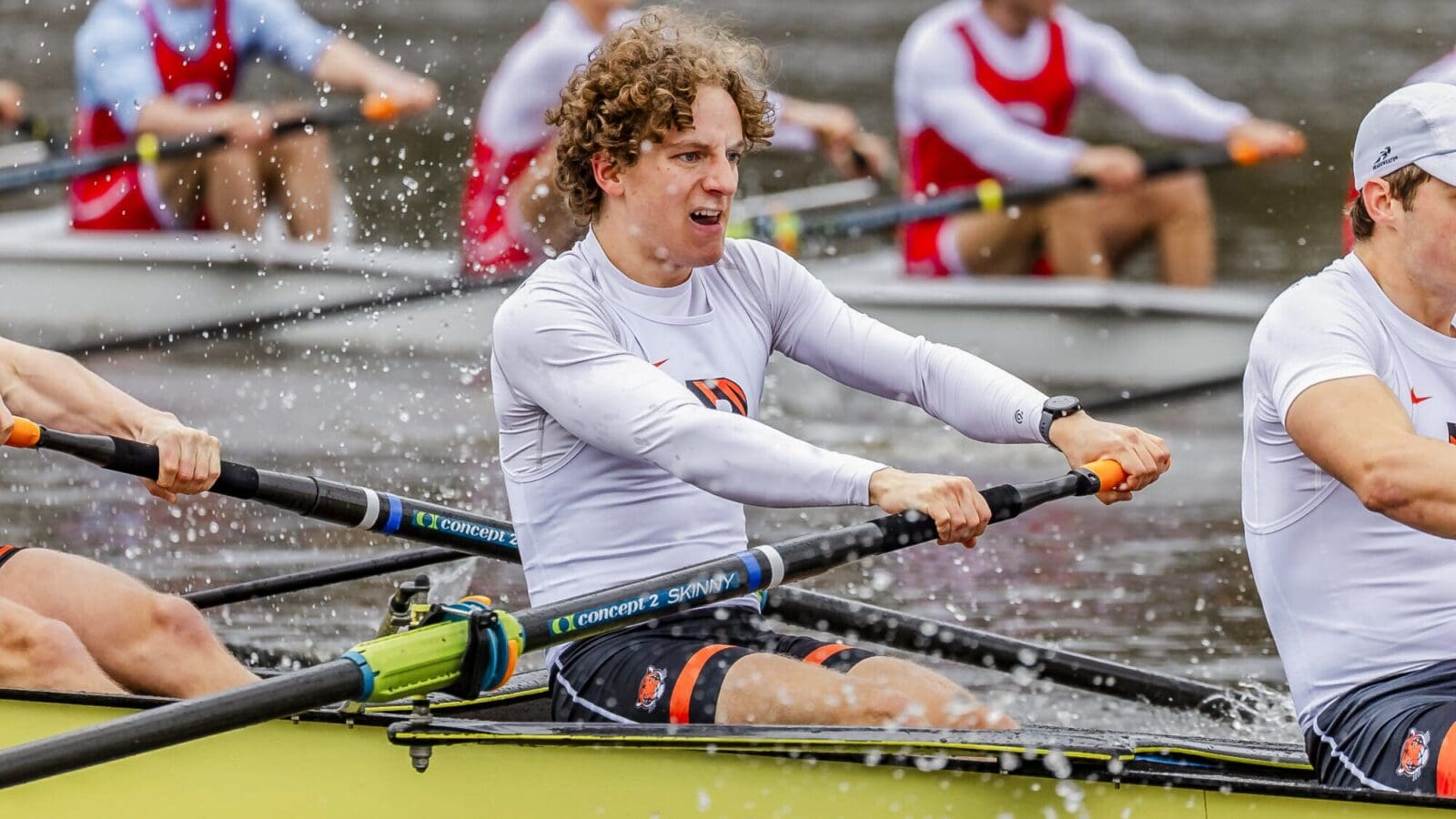
Rower-engineer awarded Pyne Prize, Princeton’s top undergraduate honor
Braeden Carroll’s academic pursuits have bridged engineering, the humanities, social sciences, and policy studies, including extensive interdisciplinary fieldwork.
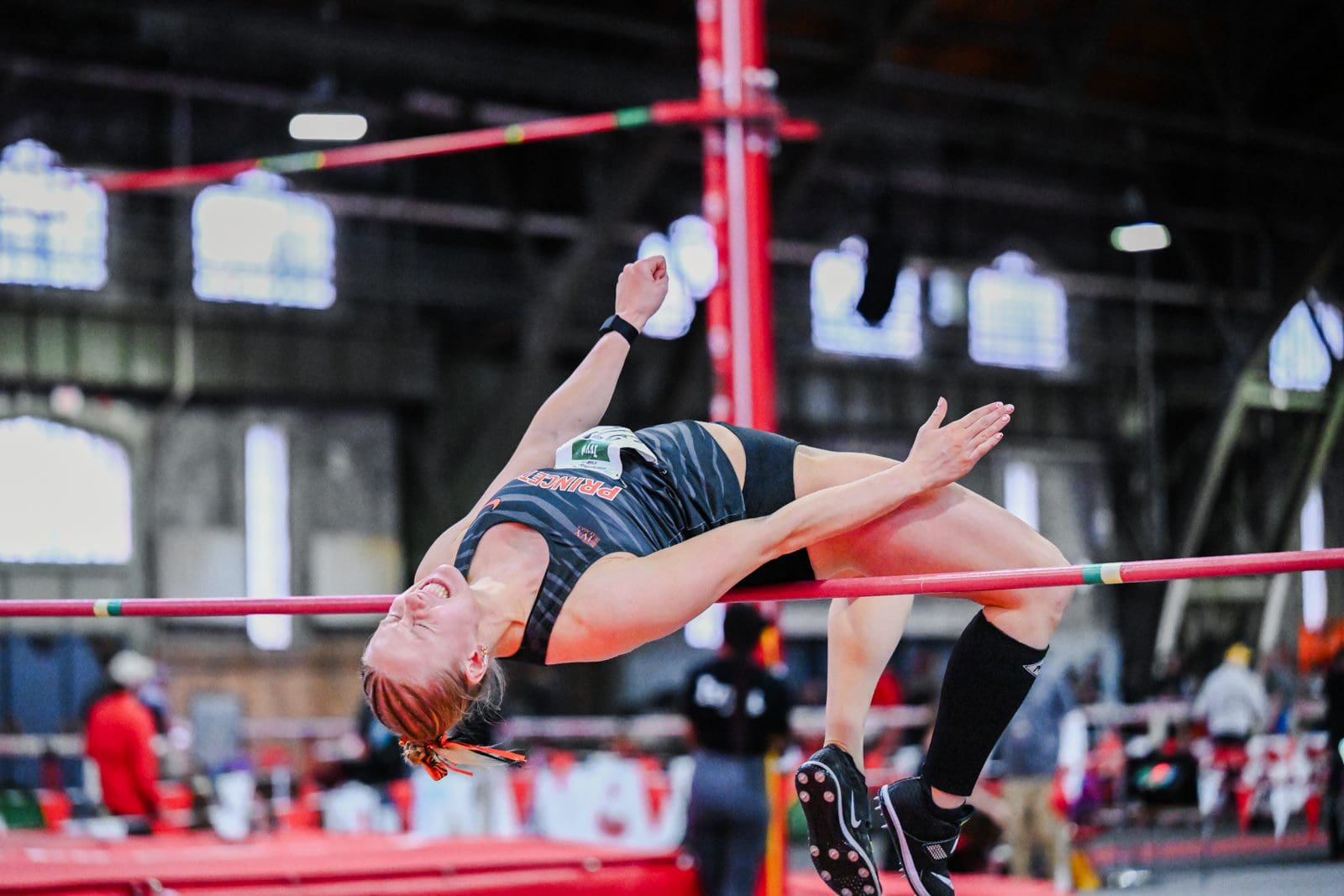
From hurdles to heat mapping: Bringing it all together
Growing up pursuing a sport that requires mastery of sprints, hurdles, shot put and high jump, Julia Jongejeugd knows how to do more than one thing well. And not just in sports.
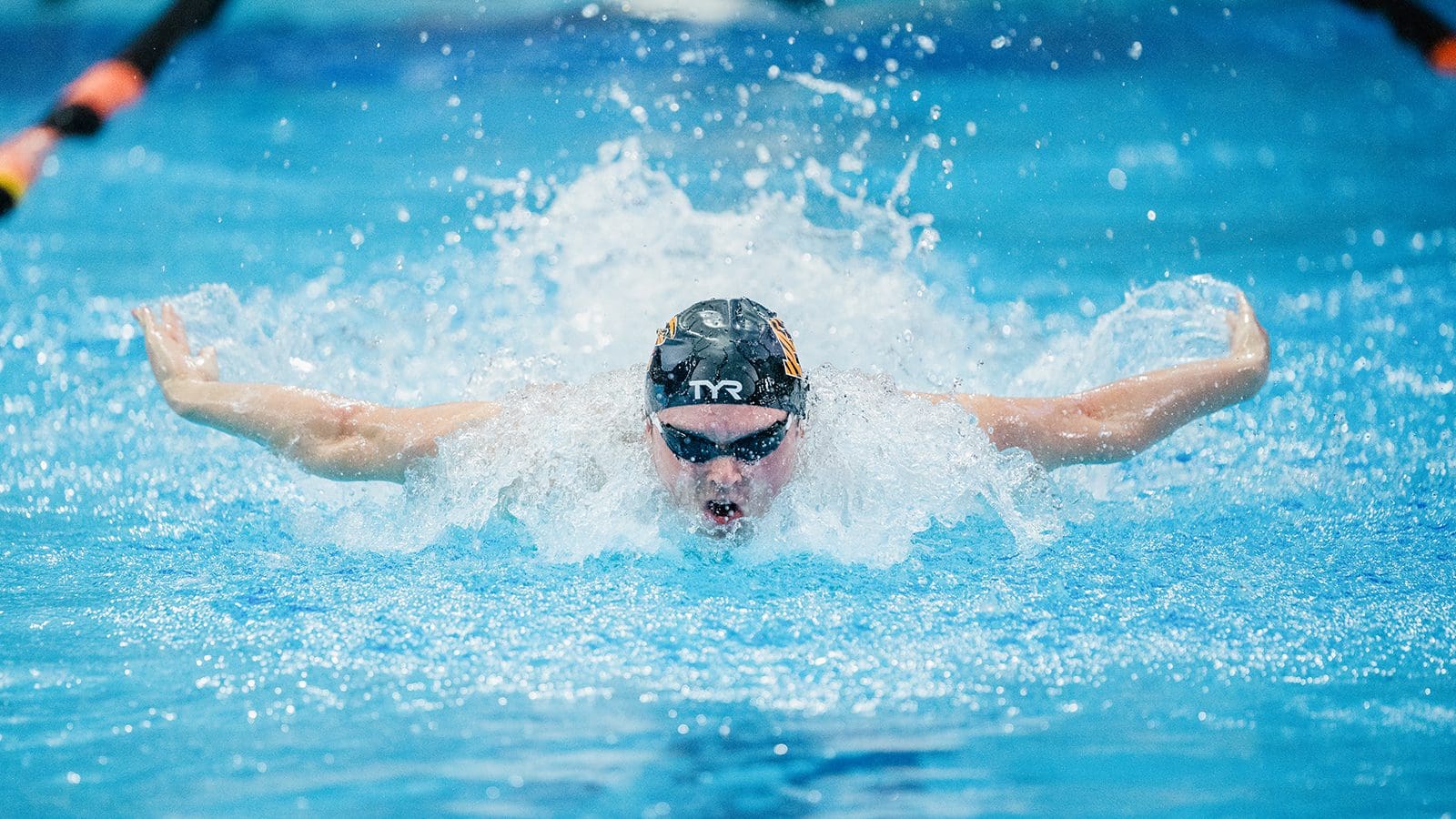
Algorithms for swimming, and life
For Conor McKenna, success, whether in the pool or in computer science, has been about creating efficient sets of steps to achieve a desired output.
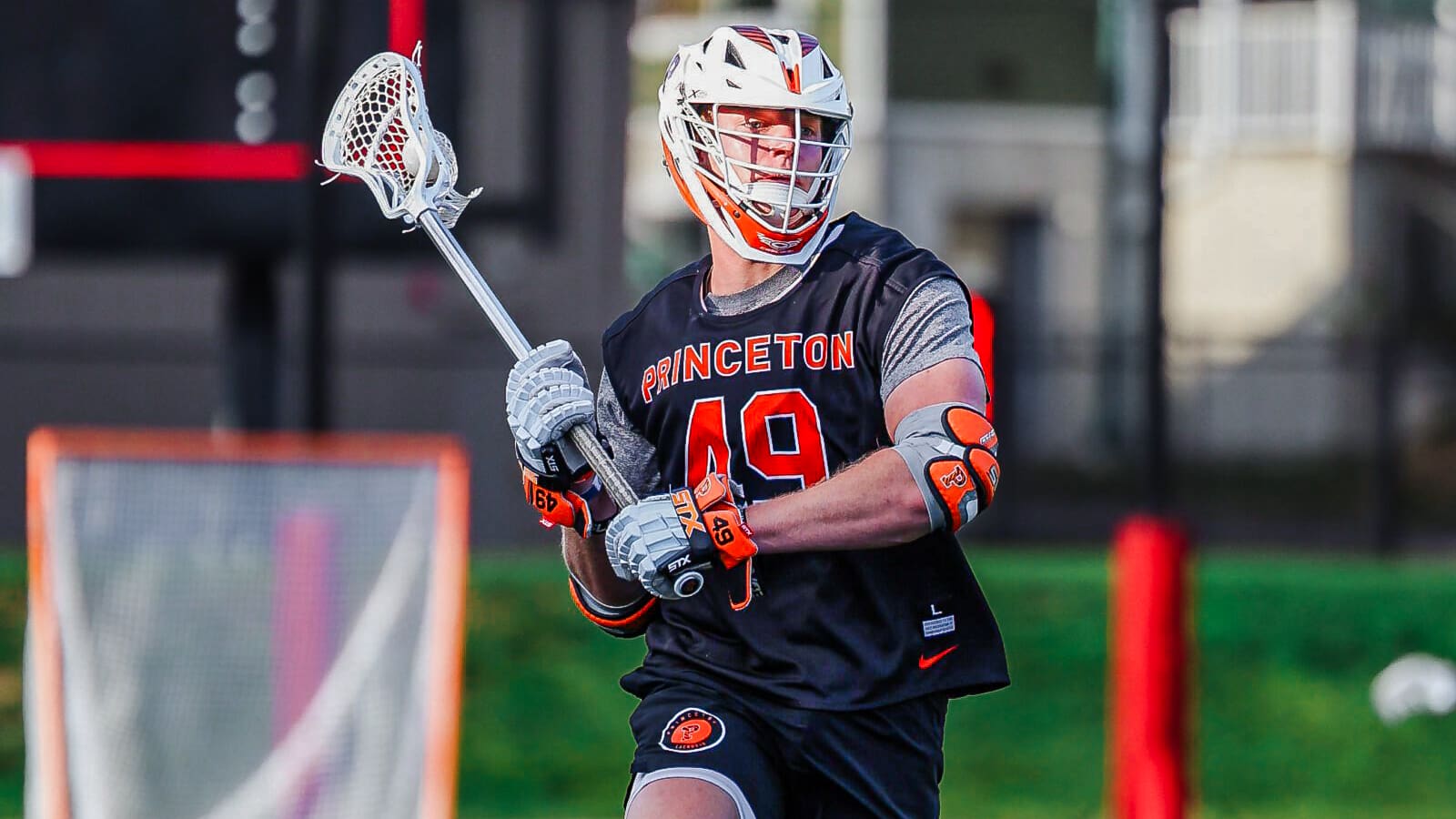
Contagious energy
Lacrosse player Tyler Harris was drawn to the hands-on approach and collaborative style of mechanical and aerospace engineering.
Princeton engineers coach middle schoolers in rowing and robotics
The STEM to Stern afterschool program brings local students to the University’s boathouse and to engineering teaching labs, where they build and program robots for tasks like stacking blocks.
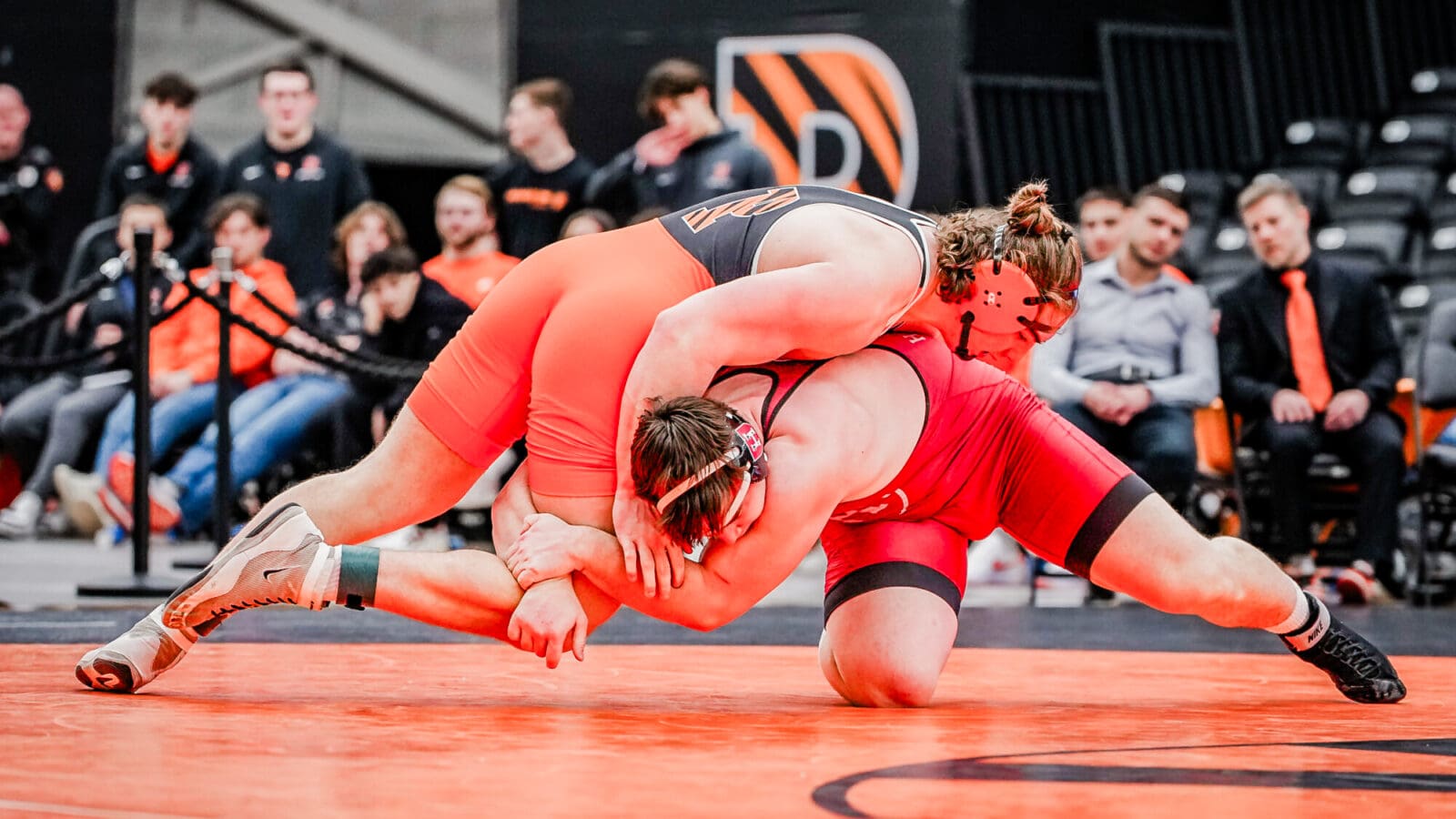
Wrestling life into balance
Sebastian Garibaldi has a job lined up developing a robot that does housework. Engineering problems activate his analytical mind, while wrestling activates something almost purely physical. “Brutish,” he said.