Wrestling life into balance
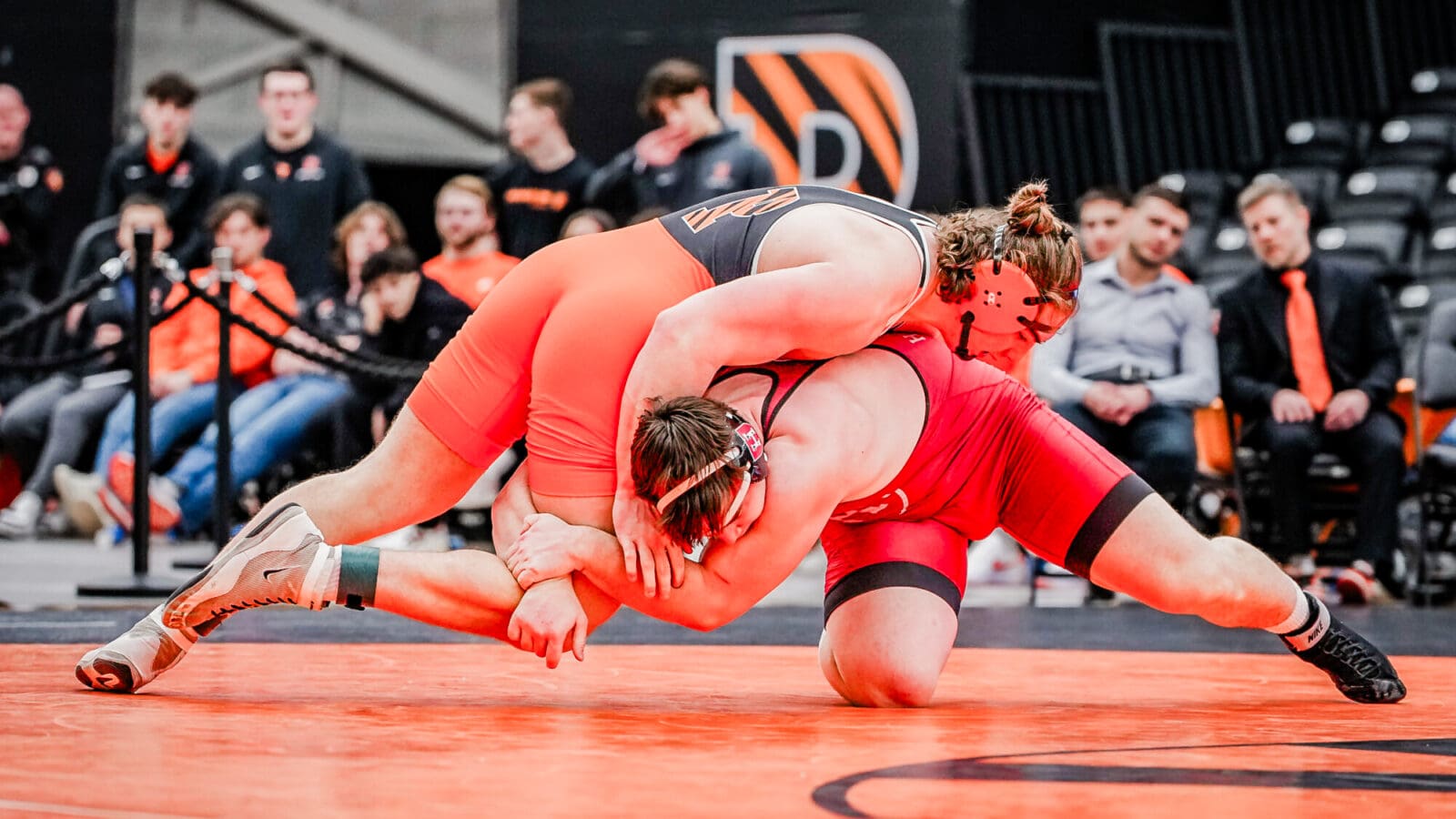
In grade school, the Garibaldi brothers struck a deal — Sebastian, the elder, would put the Lego sets together, Gabe, the younger, would play with them once they were built.
“I never liked playing with toys,” the elder said. “I just liked feeling the pieces snap together.”
Now Sebastian, heavyweight wrestler, mechanical engineer, is closing in on his final months as an NCAA Division I student athlete. His brother Gabe is just getting started, now a first-year student wrestling on the Princeton team. Come May, Sebastian will have wrestled his last match, turned in his last problem set. The balance of his life will shift.
But Garibaldi isn’t bothered. He’s got a job lined up developing a robot that does housework. He spends the few days he has to himself at home on Long Island with his family. He plays a cherry red flamenco guitar.
He said engineering problems activate his analytical mind, while wrestling activates something almost purely physical. “Brutish,” he said.
At 285 pounds, he generates plenty of force. But in wrestling, no matter how strong you are, you also have to be quick. Quicker than the man trying to snap your face to the mat.
“The second you stop to think, you’ve taken a second,” Garibaldi said. At his best, he wrestles a little bit dumb. No thinking. Mind quiet. Ready to strike.
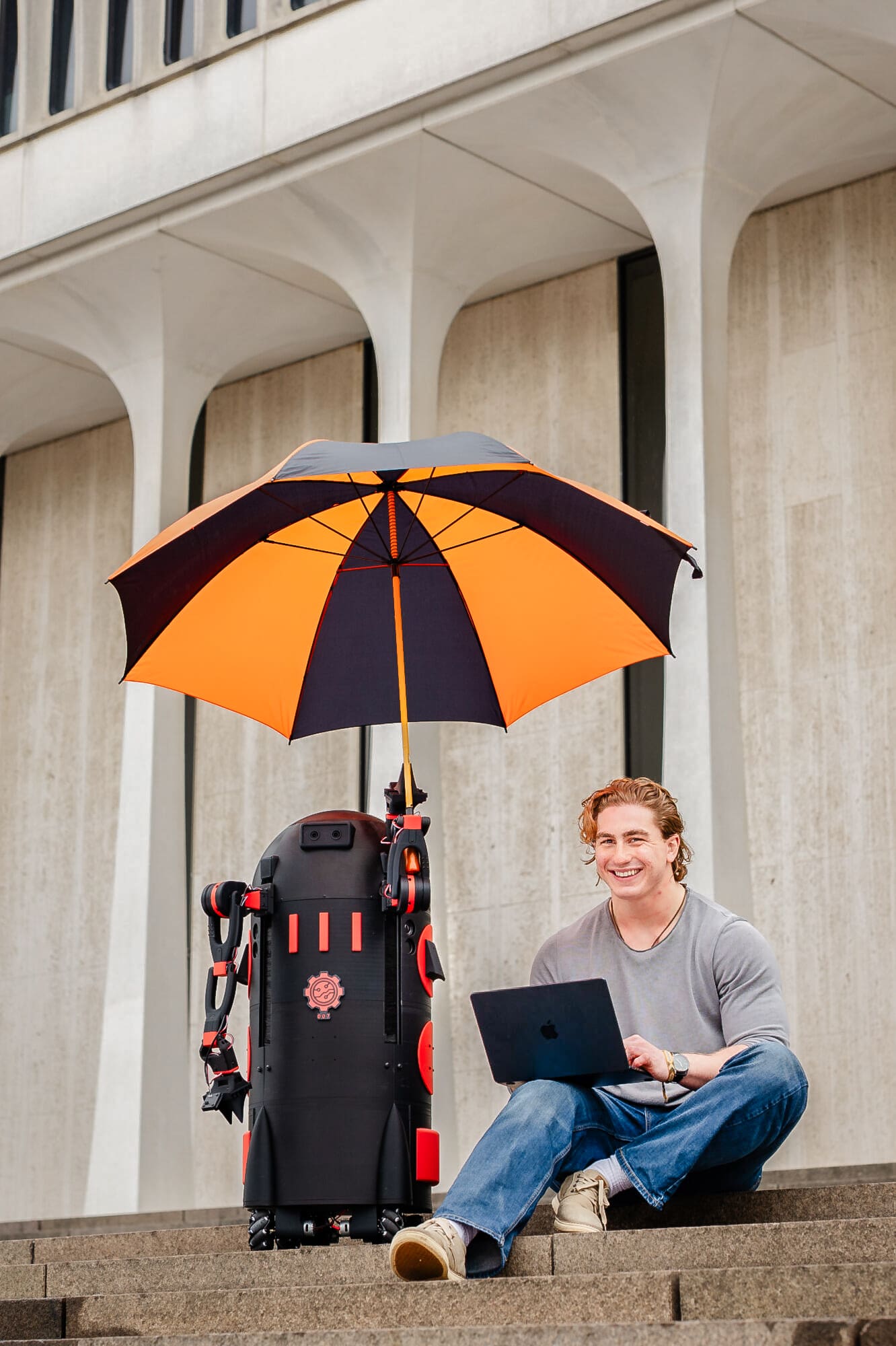

The Engineering Student Athlete
Engineering student athletes train and compete at a high level while also designing robots, building computer algorithms, and planning for climate resilience.
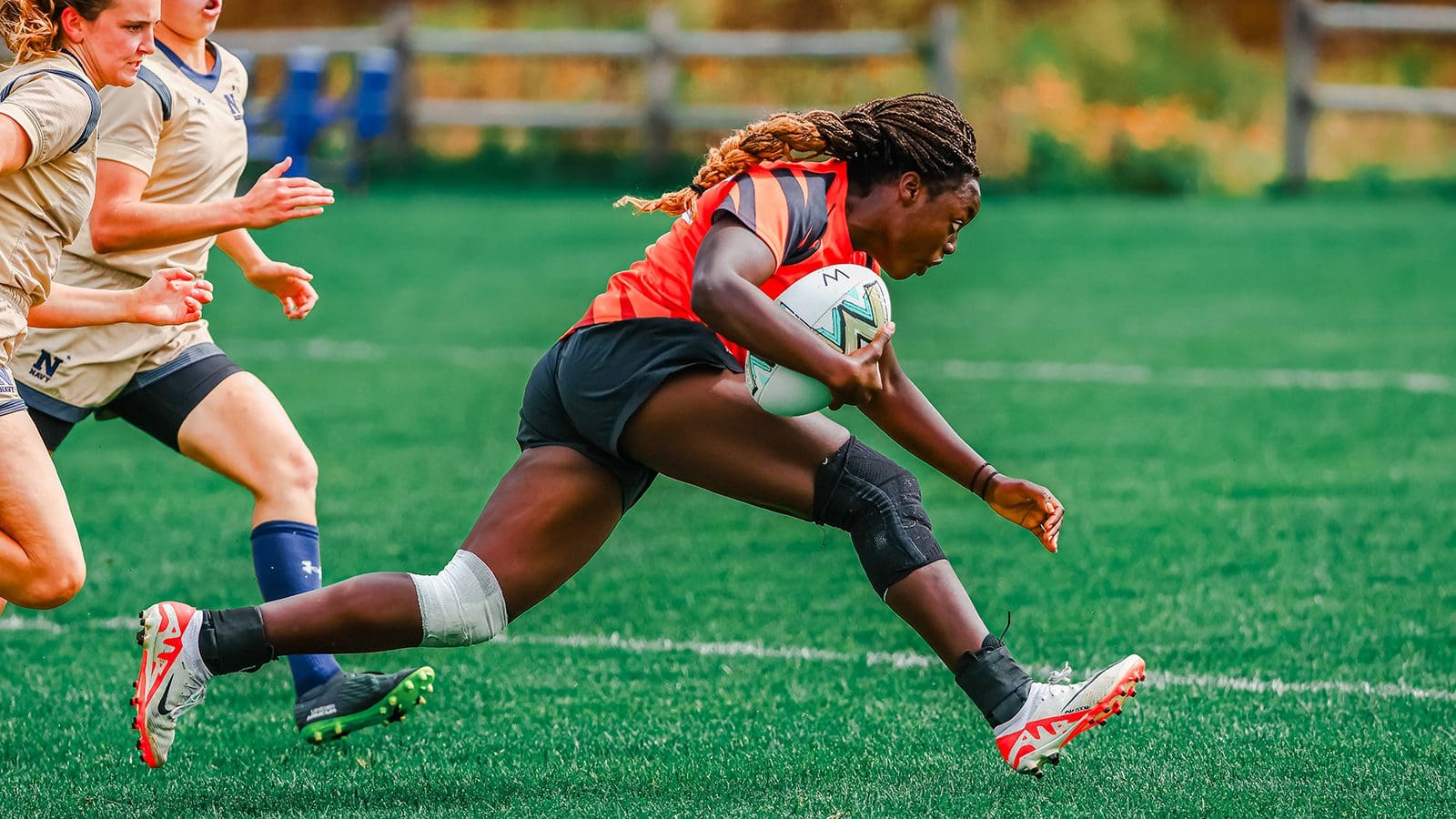
A commitment to connect
For rugby player Malinka Kwemo, taking a breadth of classes reveals new ways of thinking about engineering and how it intersects with other fields.
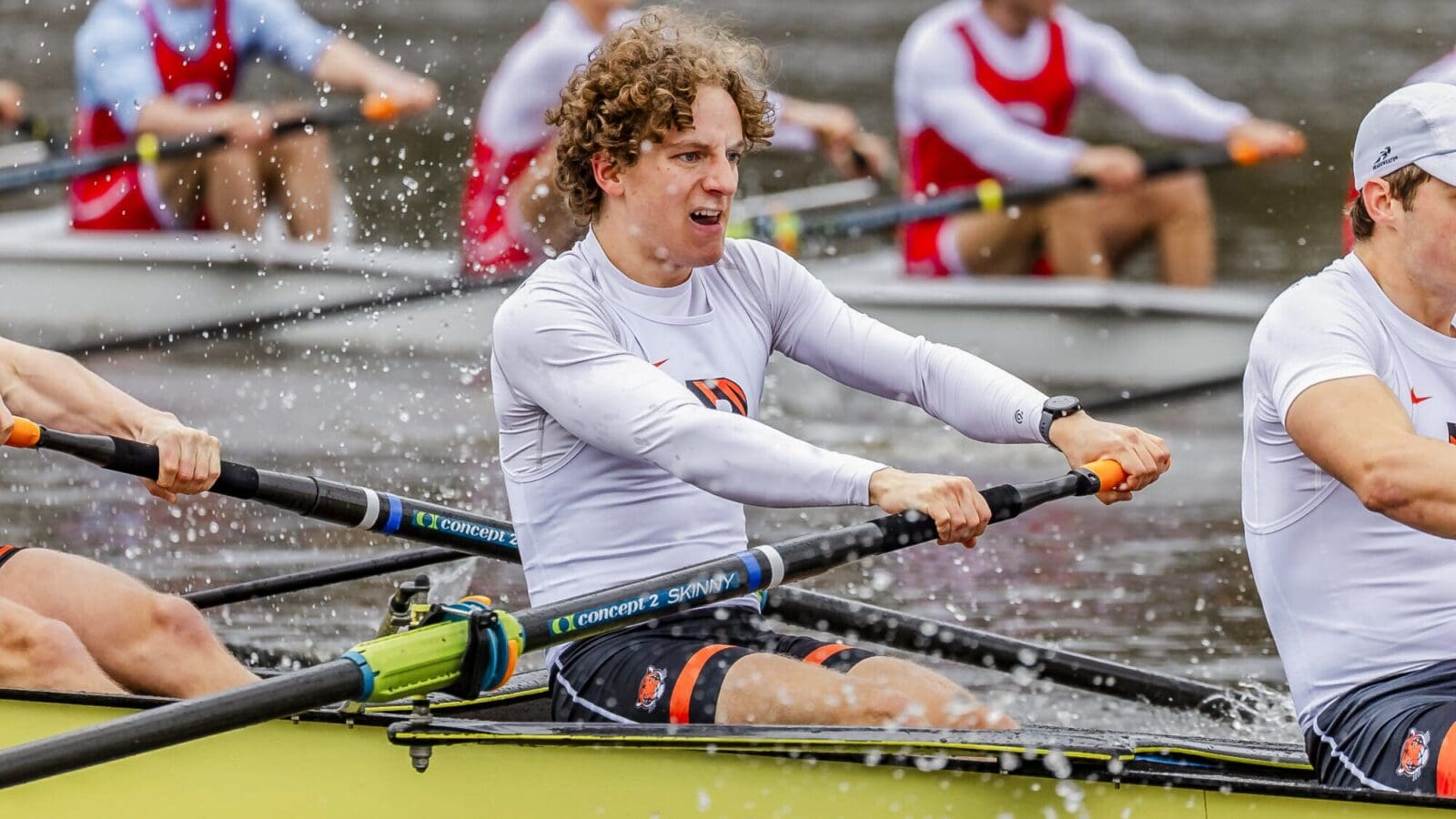
Rower-engineer awarded Pyne Prize, Princeton’s top undergraduate honor
Braeden Carroll’s academic pursuits have bridged engineering, the humanities, social sciences, and policy studies, including extensive interdisciplinary fieldwork.
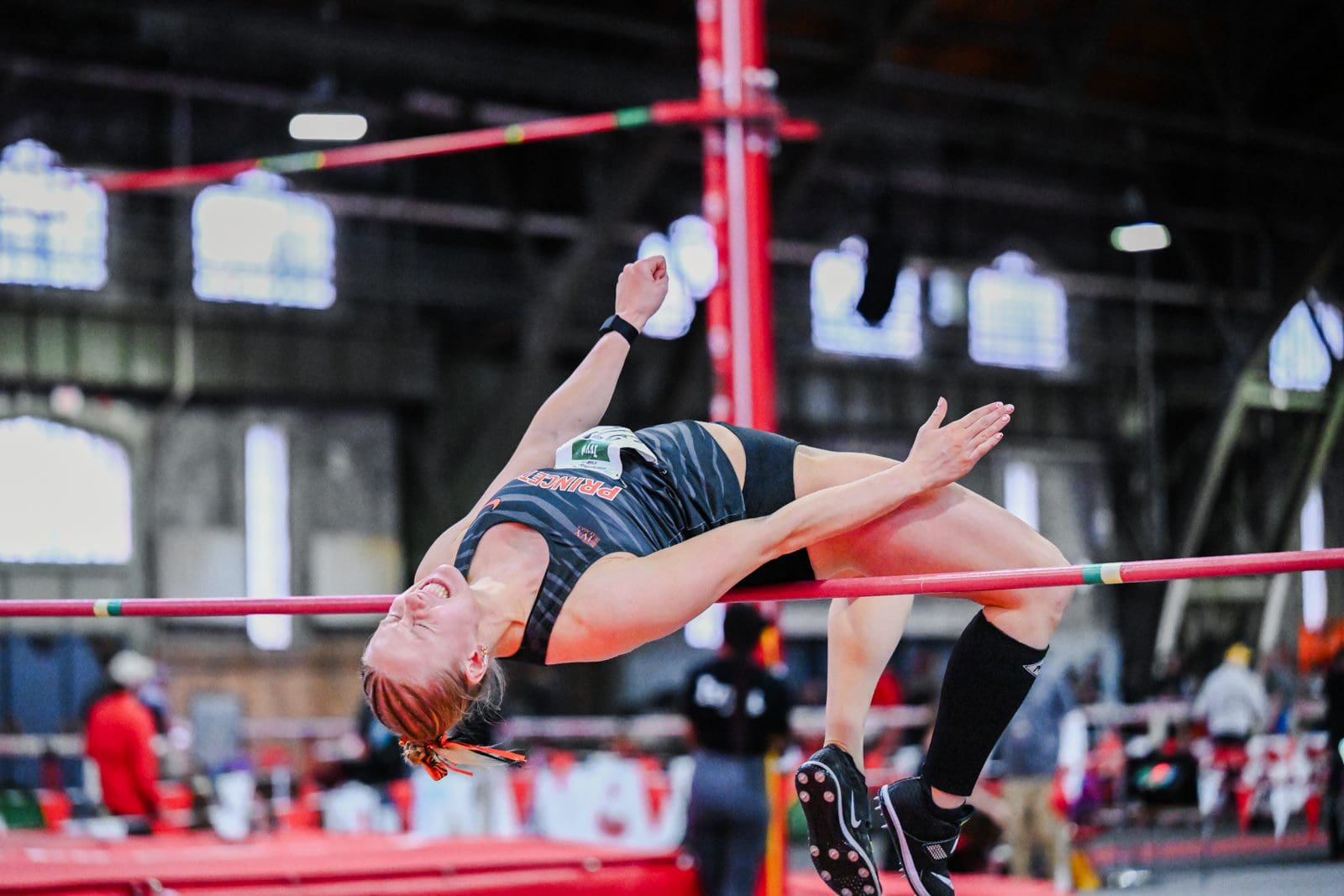
From hurdles to heat mapping: Bringing it all together
Growing up pursuing a sport that requires mastery of sprints, hurdles, shot put and high jump, Julia Jongejeugd knows how to do more than one thing well. And not just in sports.
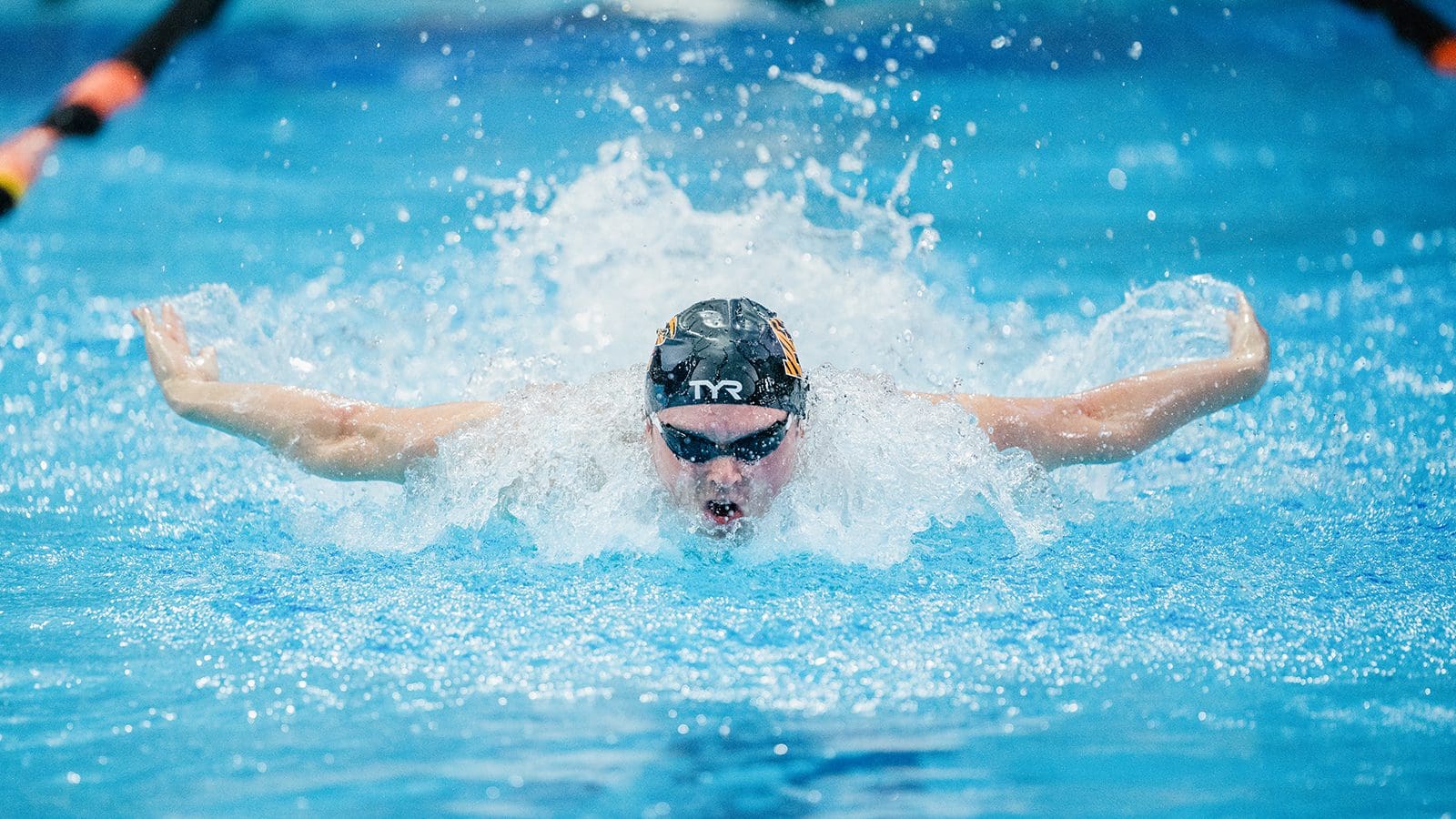
Algorithms for swimming, and life
For Conor McKenna, success, whether in the pool or in computer science, has been about creating efficient sets of steps to achieve a desired output.
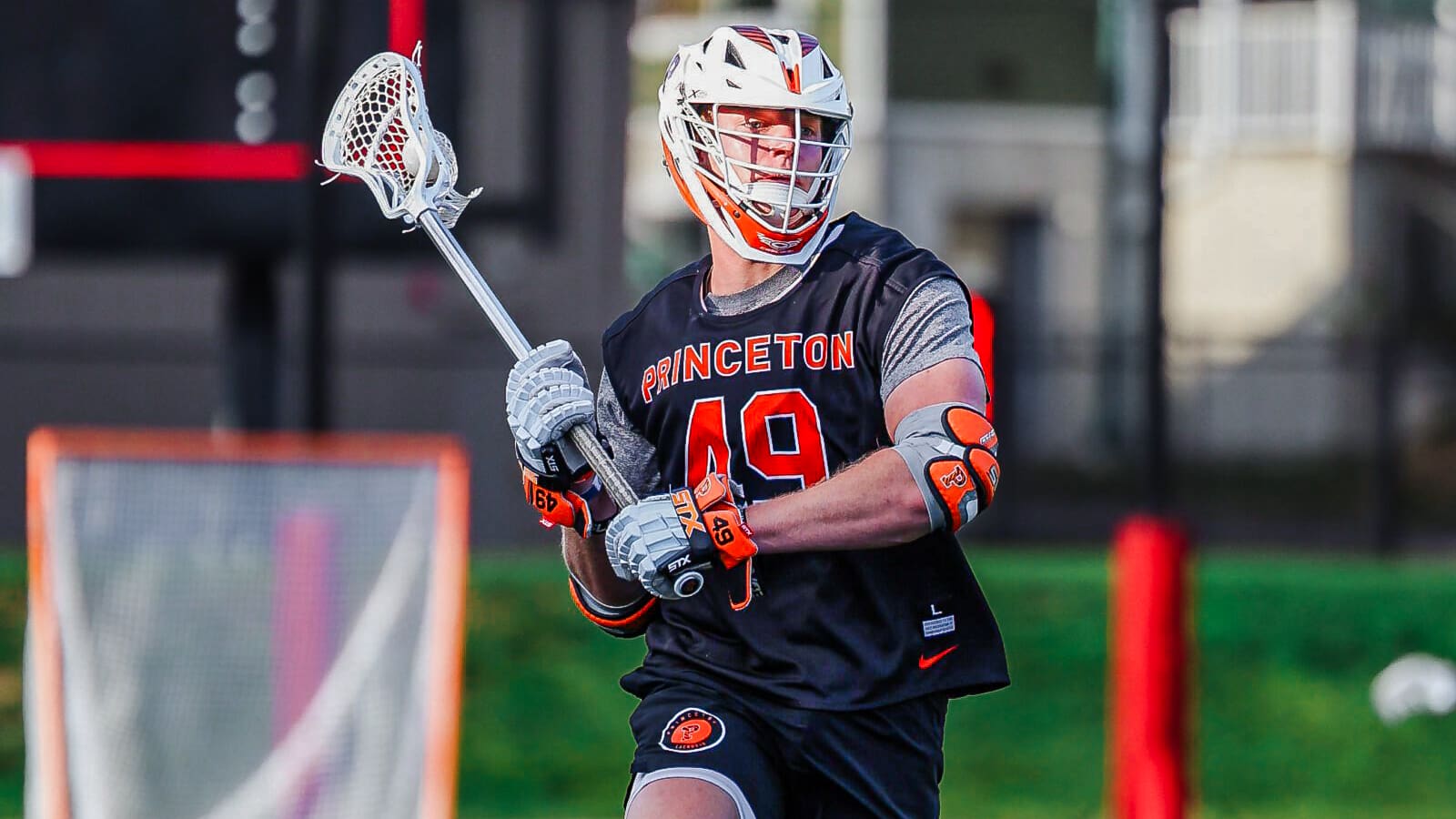
Contagious energy
Lacrosse player Tyler Harris was drawn to the hands-on approach and collaborative style of mechanical and aerospace engineering.
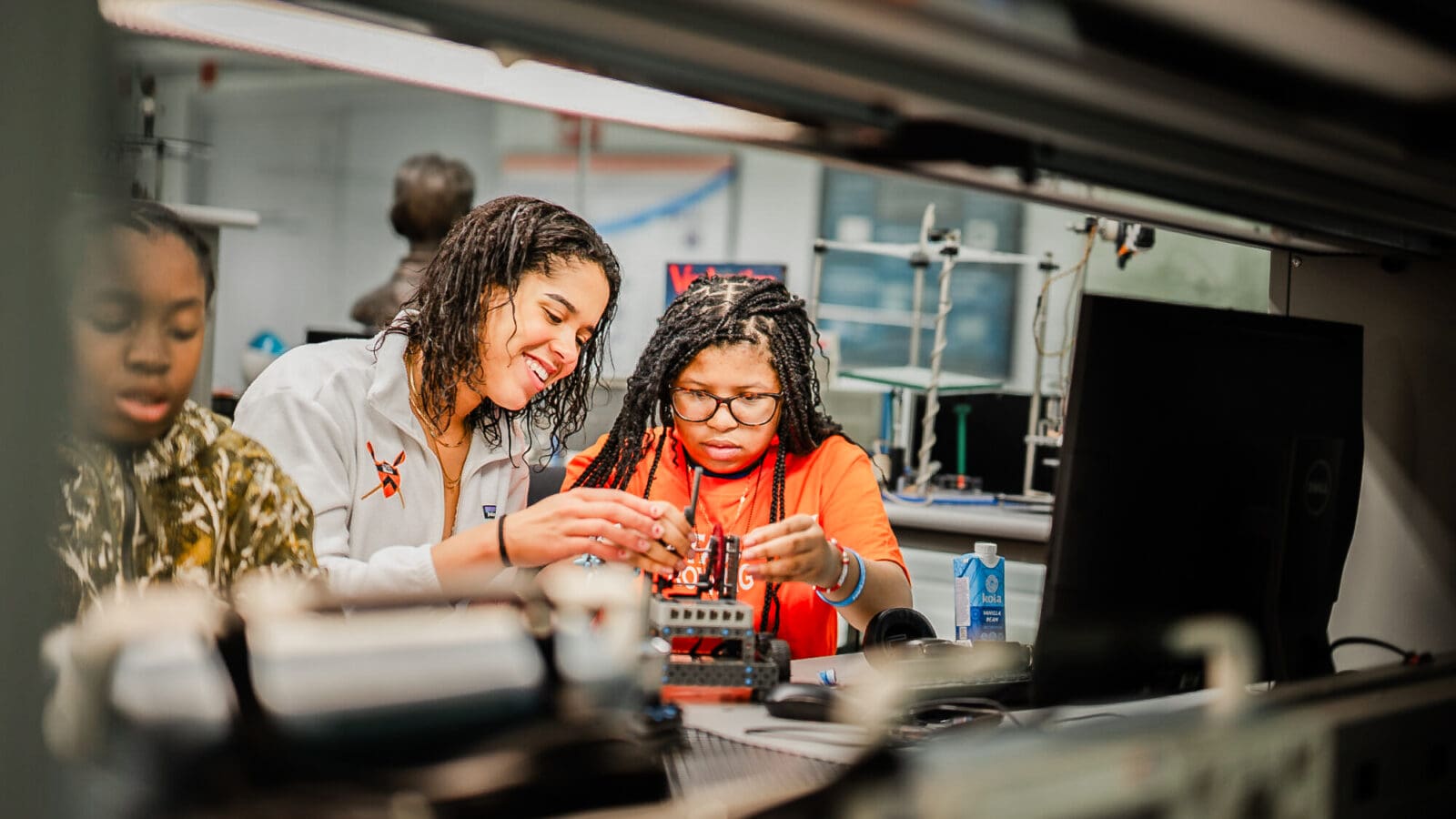
Princeton engineers coach middle schoolers in rowing and robotics
The STEM to Stern afterschool program brings local students to the University’s boathouse and to engineering teaching labs, where they build and program robots for tasks like stacking blocks.
Wrestling life into balance
Sebastian Garibaldi has a job lined up developing a robot that does housework. Engineering problems activate his analytical mind, while wrestling activates something almost purely physical. “Brutish,” he said.