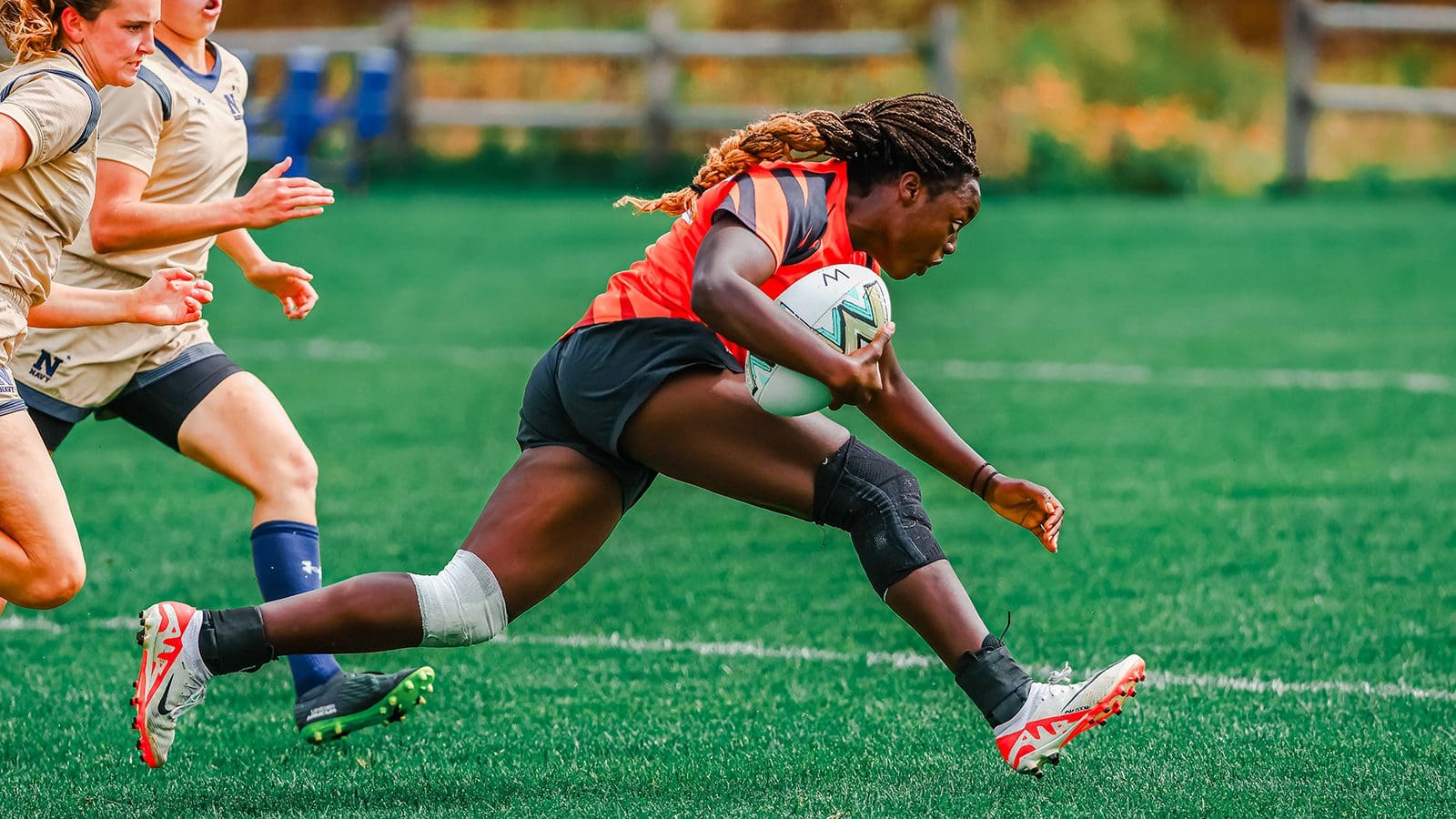
A commitment to connect
For rugby player Malinka Kwemo, taking a breadth of classes reveals new ways of thinking about engineering and how it intersects with other fields.
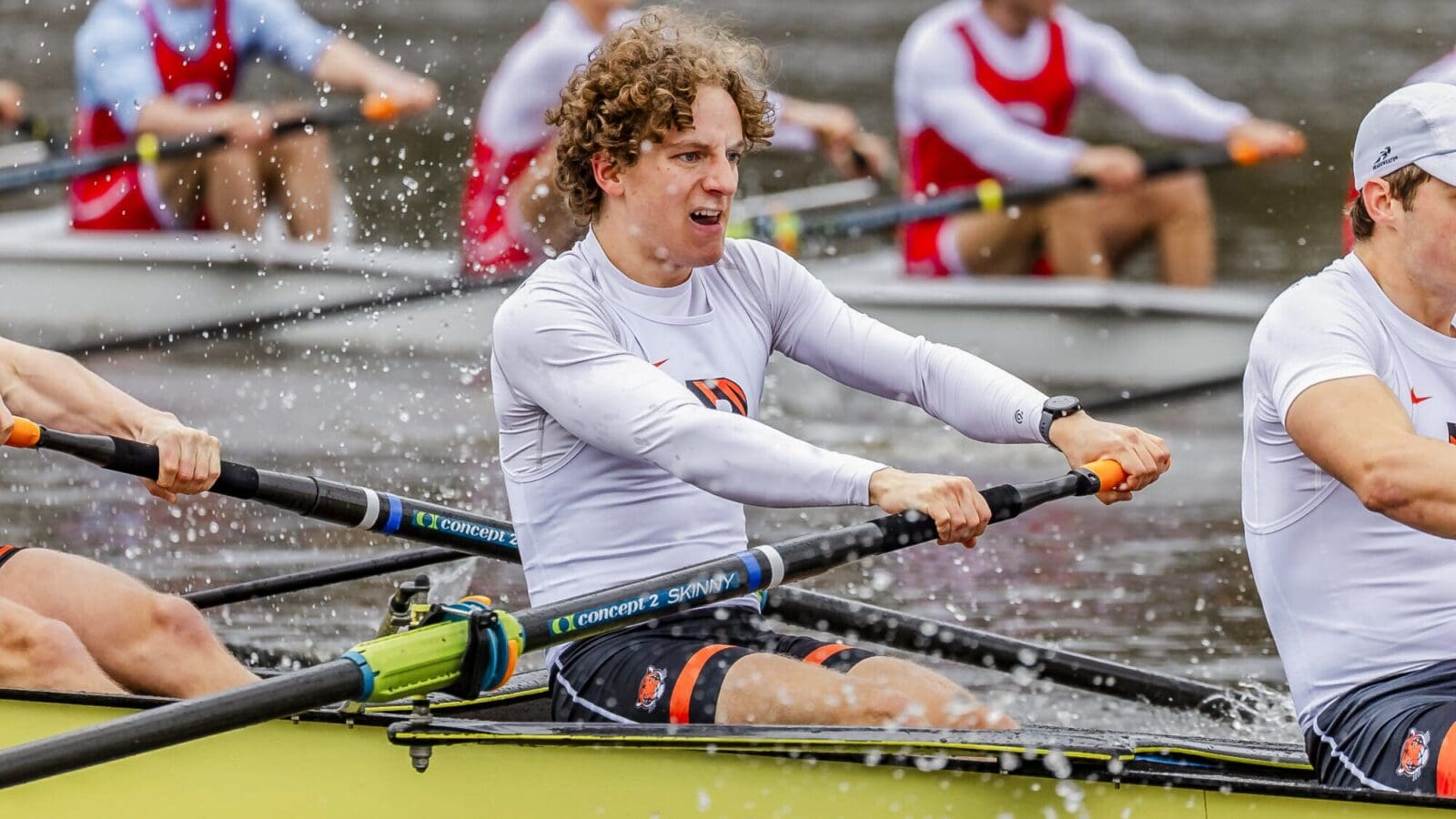
Rower-engineer awarded Pyne Prize, Princeton’s top undergraduate honor
Braeden Carroll’s academic pursuits have bridged engineering, the humanities, social sciences, and policy studies, including extensive interdisciplinary fieldwork.
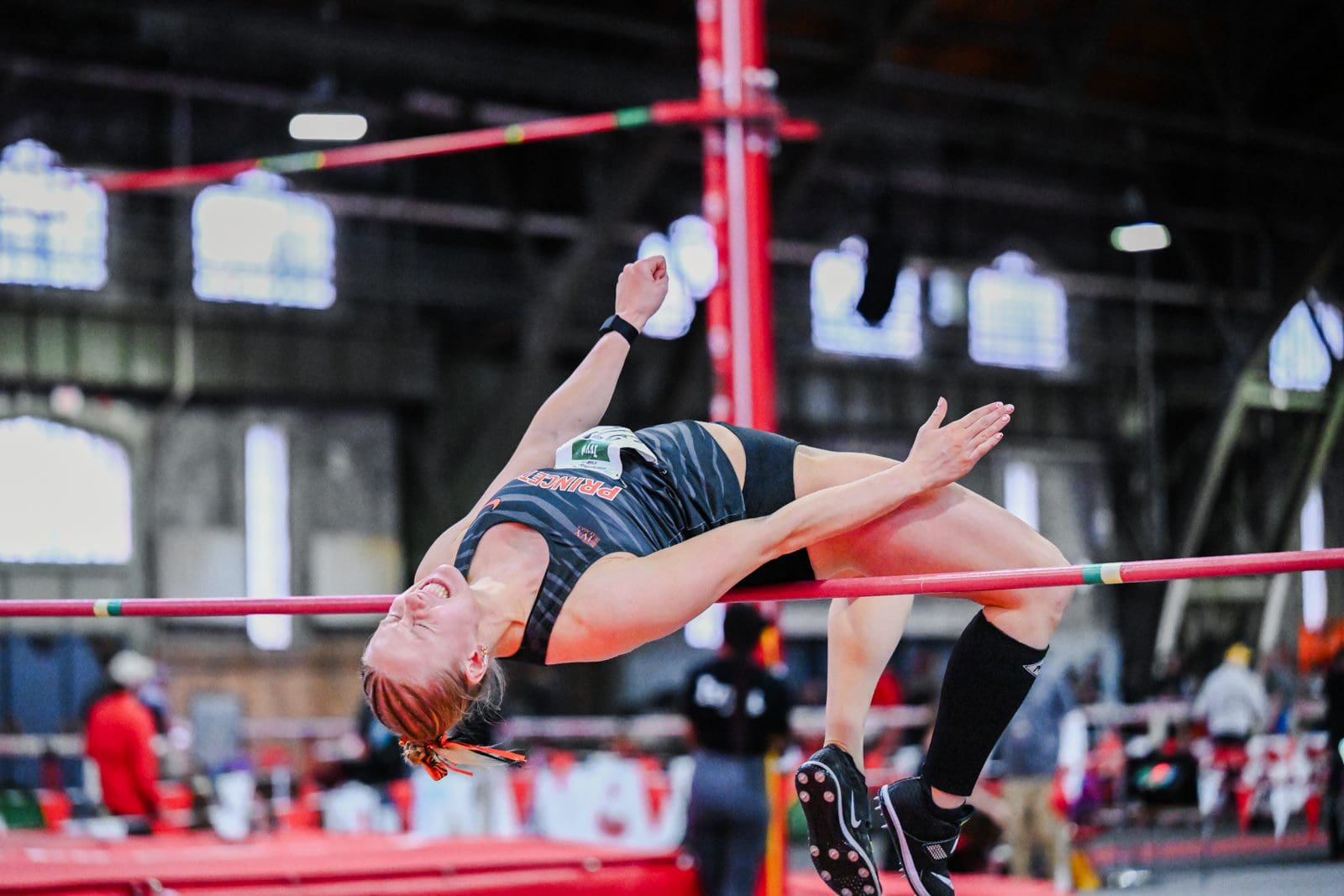
From hurdles to heat mapping: Bringing it all together
Growing up pursuing a sport that requires mastery of sprints, hurdles, shot put, and high jump, Julia Jongejeugd knows how to do more than one thing well. And not just in sports.
Algorithms for swimming, and life
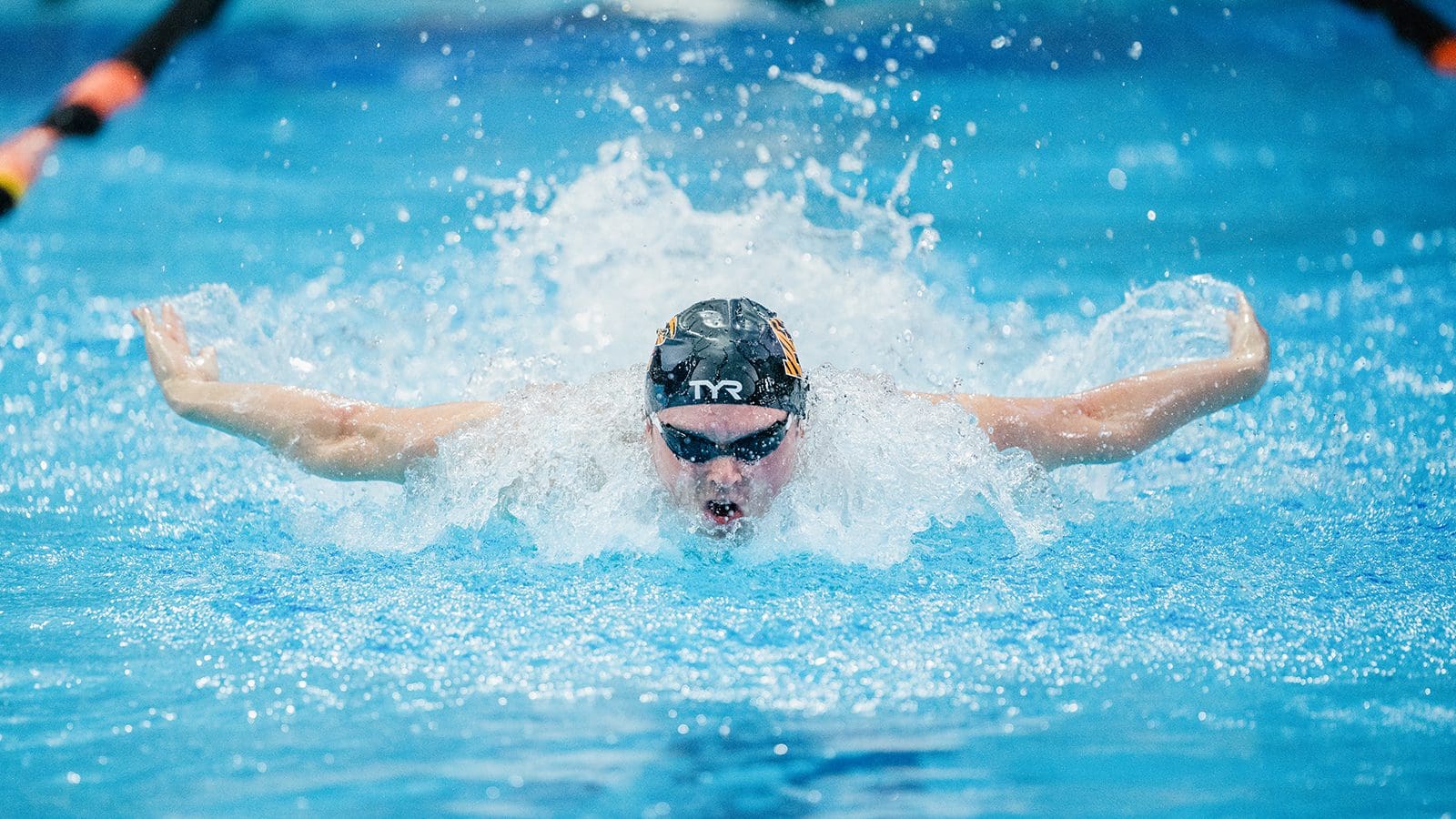
For Conor McKenna, success, whether in the pool or in computer science, has been about creating efficient sets of steps to achieve a desired output.
Contagious energy
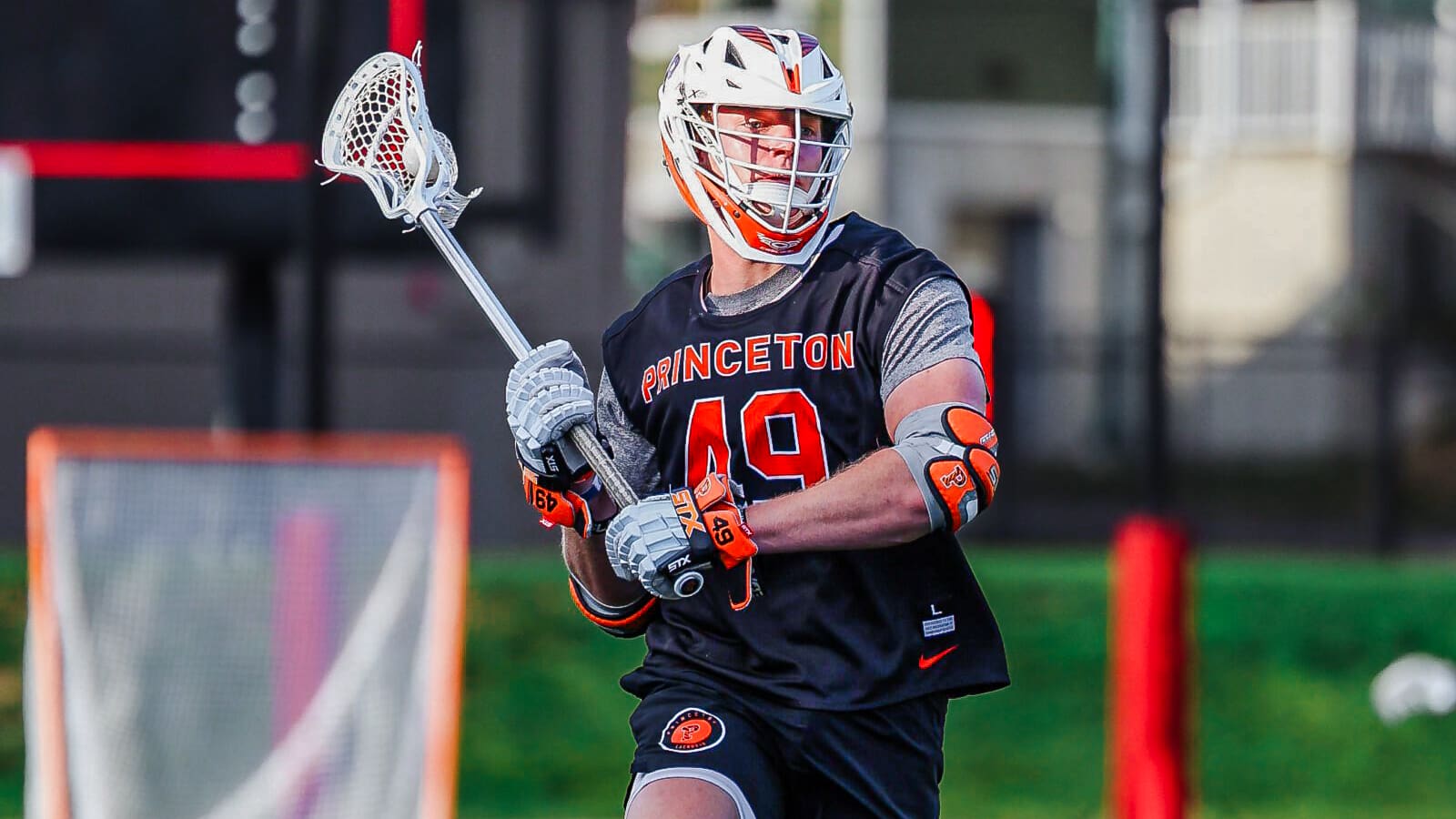
Lacrosse player Tyler Harris was drawn to the hands-on approach and collaborative style of mechanical and aerospace engineering.
Princeton engineers coach middle schoolers in rowing and robotics
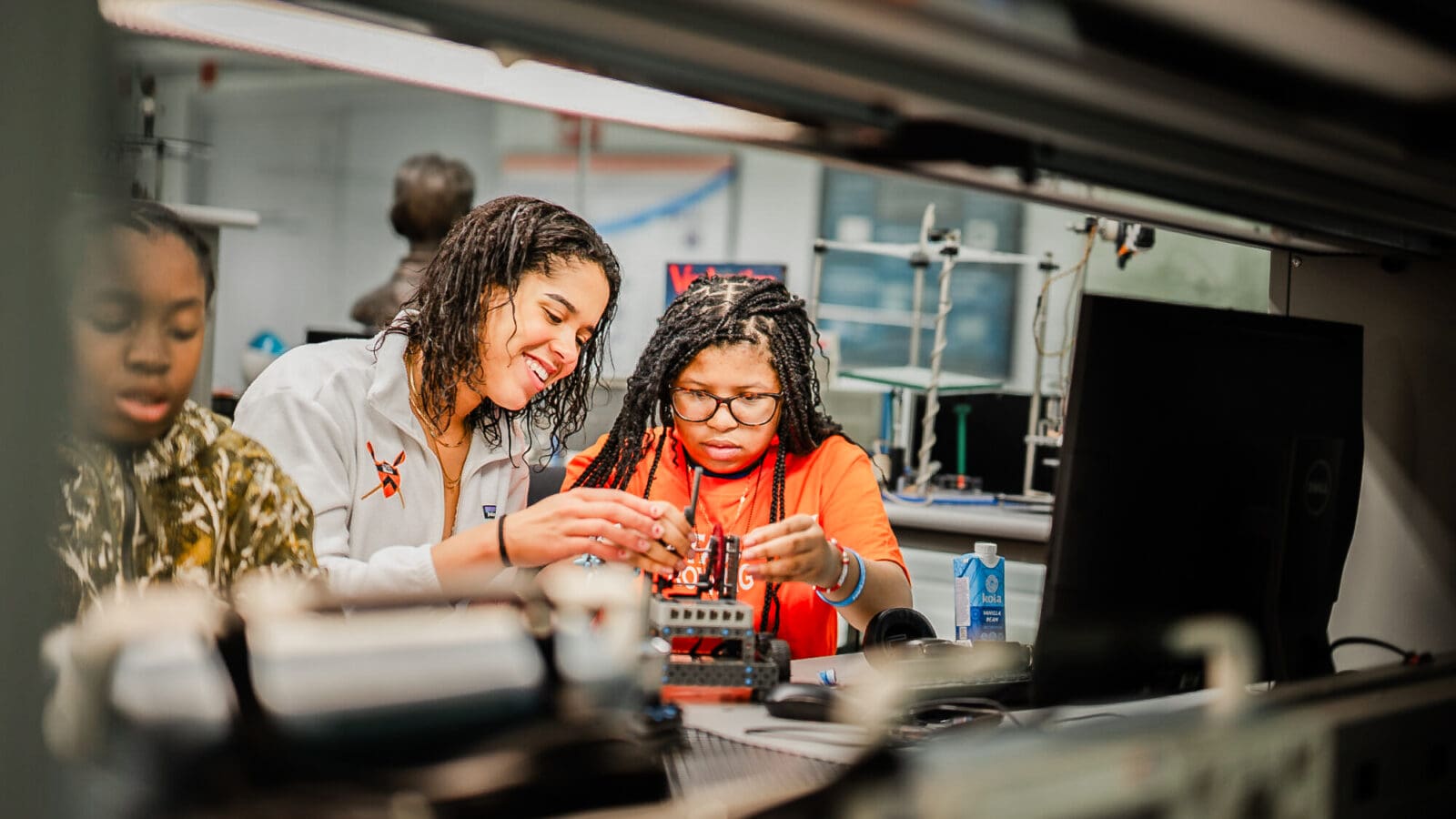
The STEM to Stern after-school program brings local students to the University’s boathouse and to engineering teaching labs, where they build and program robots for tasks like stacking blocks.
Wrestling life into balance
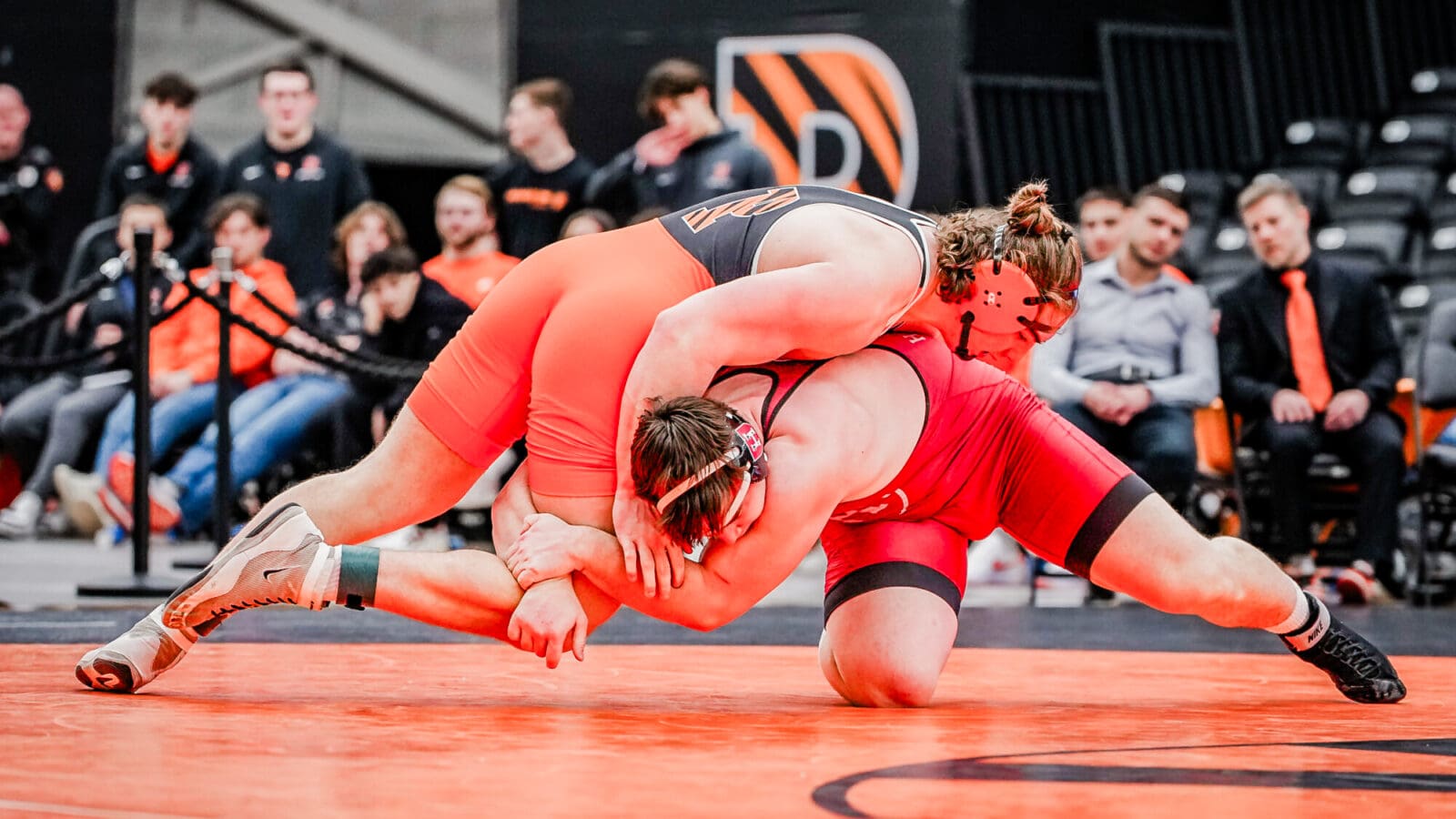
Sebastian Garibaldi has a job lined up developing a robot that does housework. Engineering problems activate his analytical mind, while wrestling activates something almost purely physical. “Brutish,” he said.
More from this issue
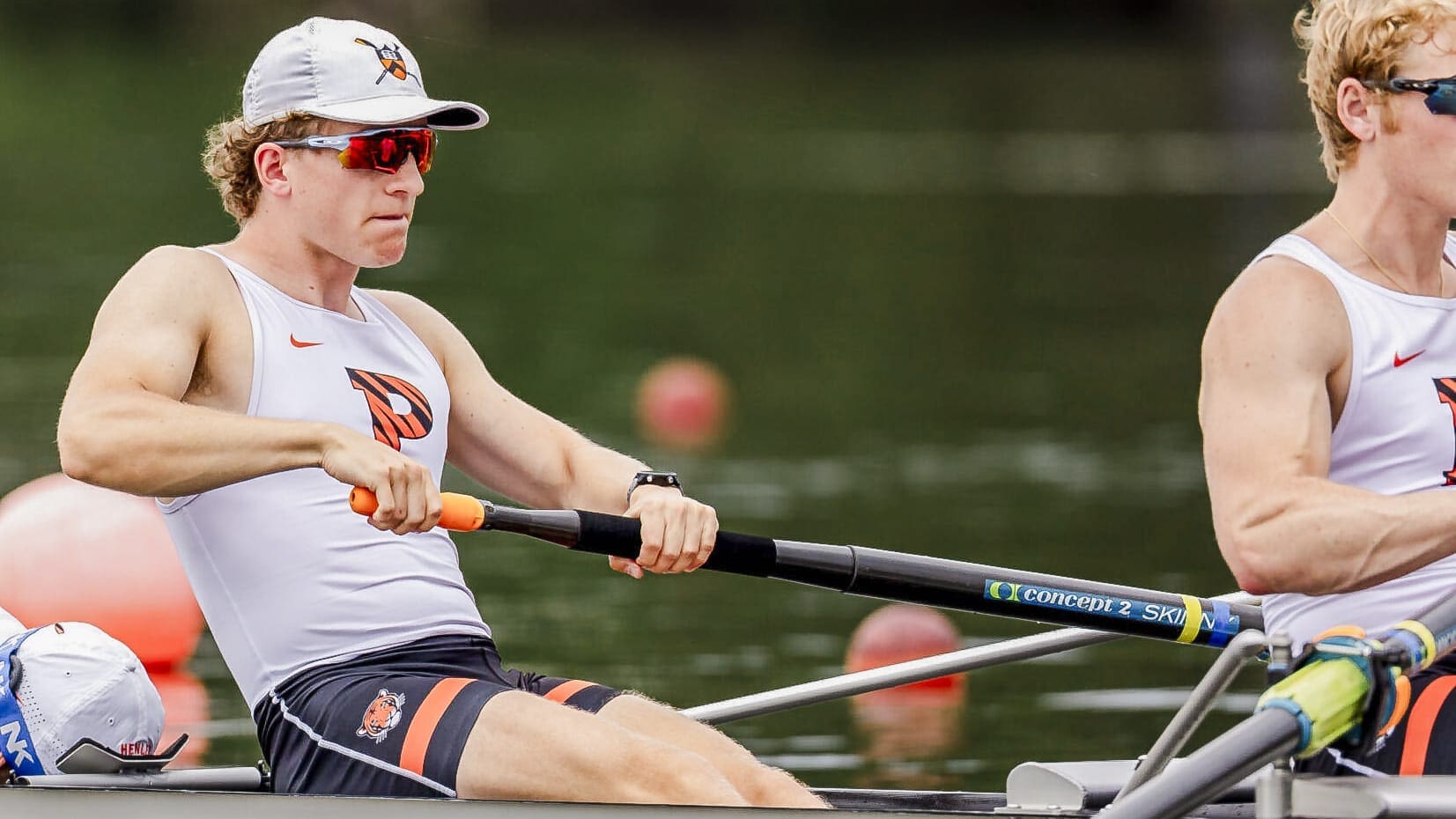

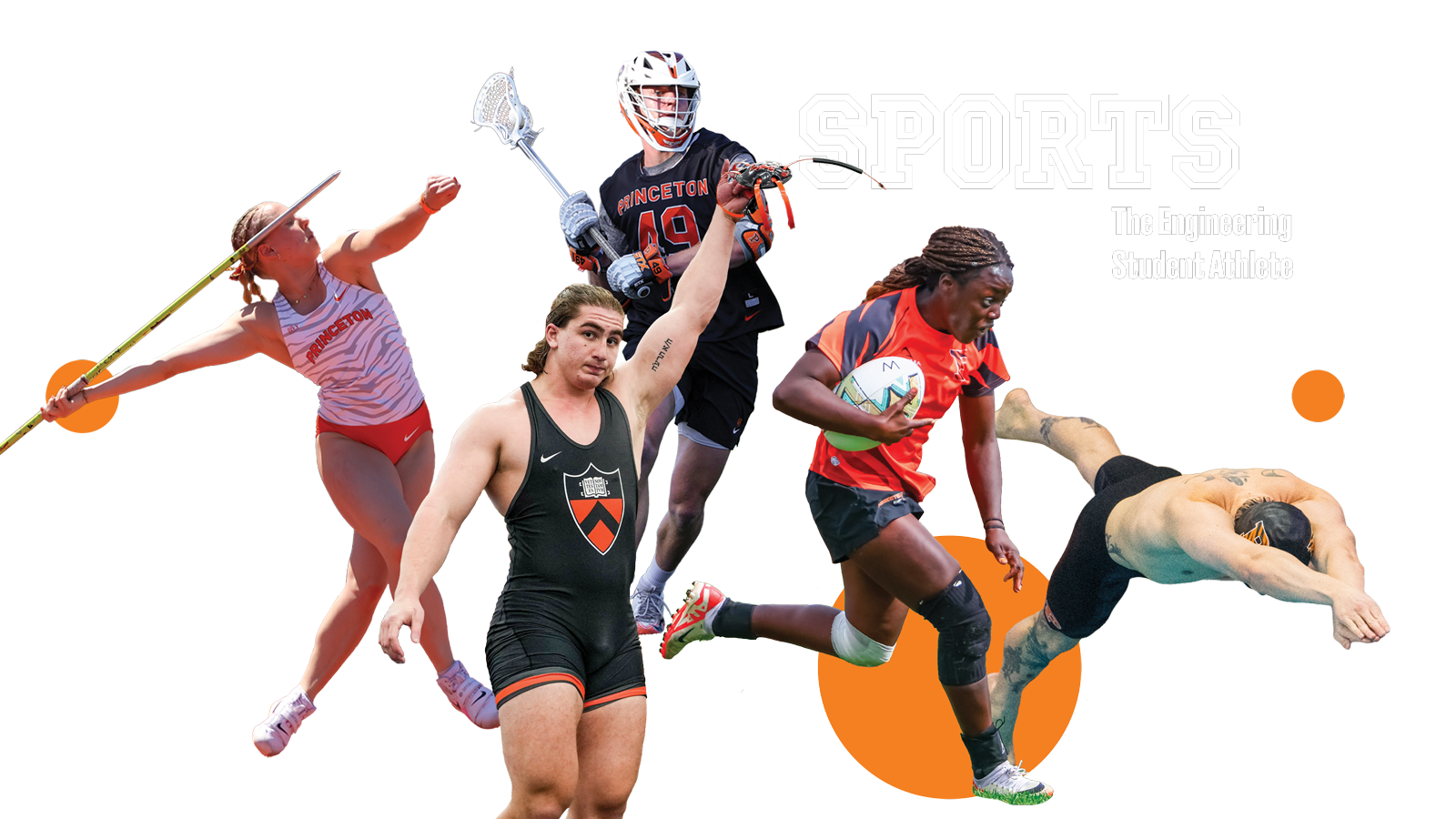
Embracing the true student athlete experience
One memory led to another, as they so often do, and I began reflecting on all the incredible athletes I knew as a student, and on how our experiences of this magical place are largely the same.
Embracing the true student athlete experience
This issue of EQuad News was born of a mini-reunion last fall. I had lunch with a handful of my ’00 classmates who work at Princeton, including John Mack, the Ford Family Director of Athletics. John and I first met on an orientation trip before our first year in what is now called Community Action, volunteering in Trenton by day and sleeping on the floor of Colonial Club’s library at night.
One memory led to another, as they so often do, and I began reflecting on all the incredible athletes I knew as a (very unathletic) student, and on how our experiences of this magical place are largely the same. In a moment when college athletics is undergoing a tidal shift nationally, with name, image, and likeness payments, the transfer portal, and an athletic experience that is becoming increasingly disconnected from the student experience, student athletes at Princeton stand apart.
Student athletes engage in every field this campus has to offer, including here at Princeton Engineering. Engineering is not easy, and I have always marveled at how our engi-neering athletes navigate practices and games on top of weekly problem sets and long hours in lab. What better way to celebrate the Princeton athlete experience than to share stories of some of our many current engineering student athletes!

Andrew Houck ’00
Dean
Anthony H.P. Lee ’79 P11 P14 Professor of
Electrical and Computer Engineering
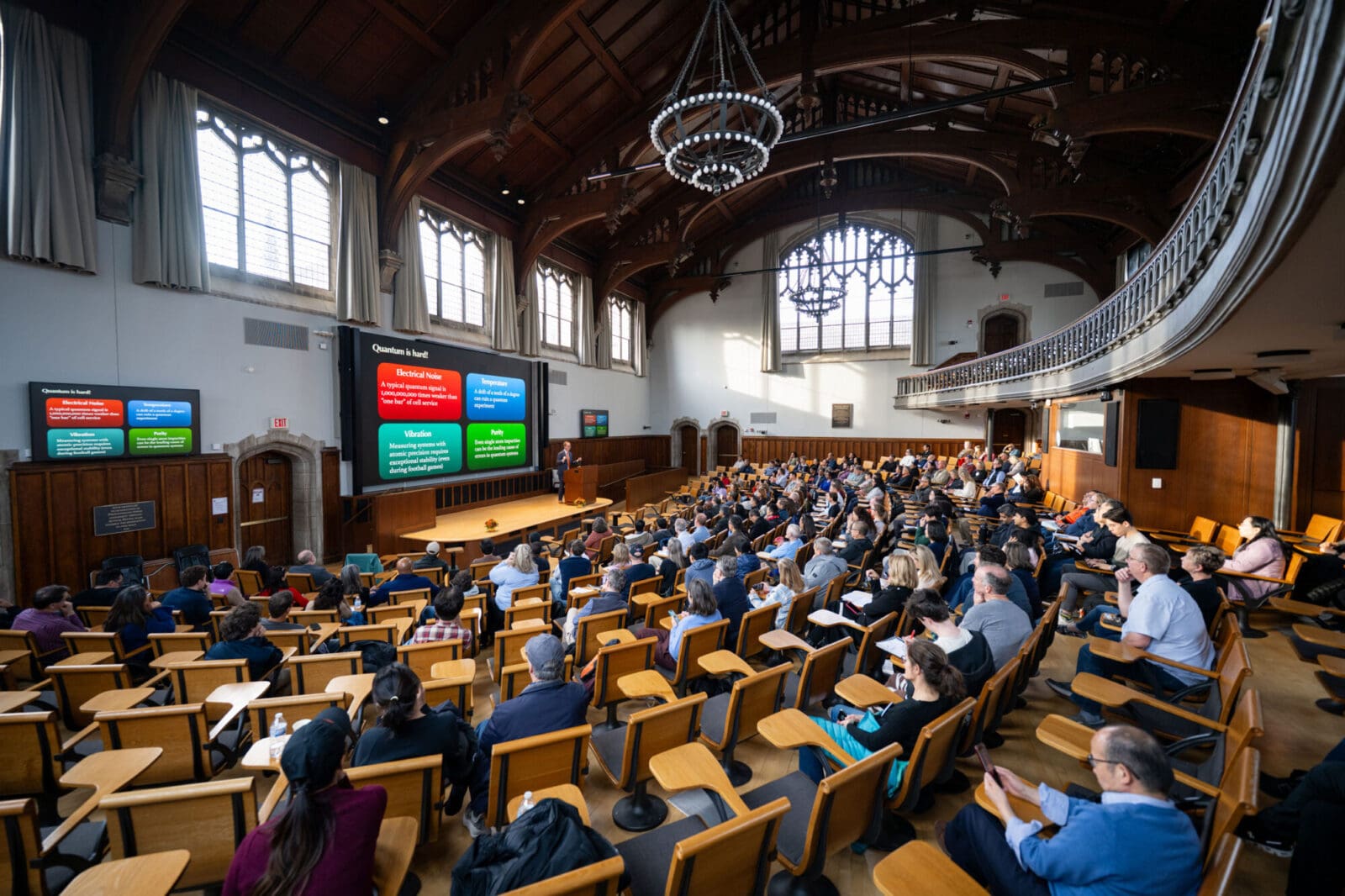
Small groups, big impact: ‘Clusters’ seek next research frontiers
Clusters of Excellence focus the strengths of experts from diverse fields to produce new kinds of research. Funding from the engineering school will allow the 11 clusters to create seminars and build visibility across engineering and other areas of the University.
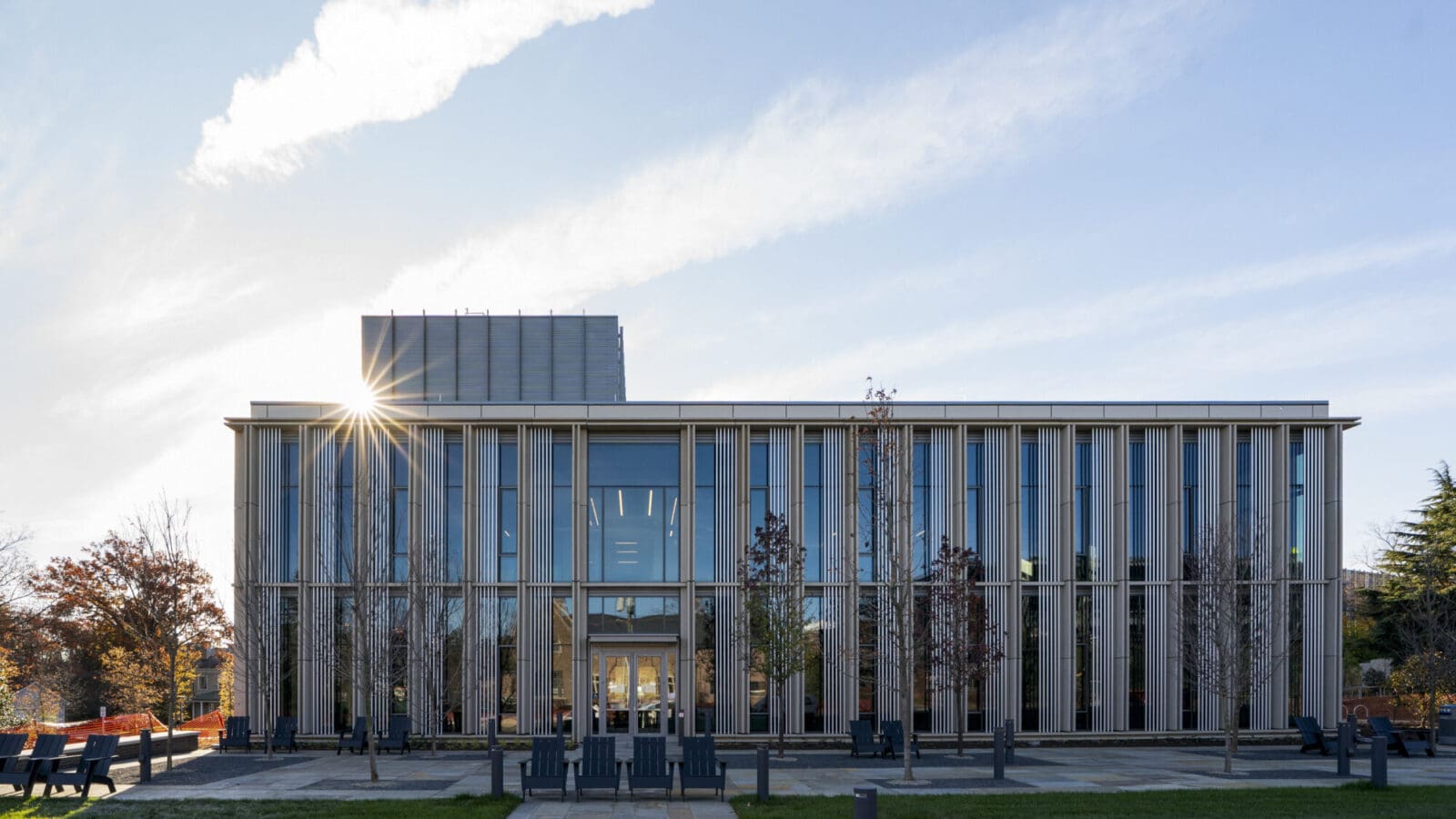
Major Venture Forward gift names Sarofim Pavilion in Princeton’s new engineering buildings
A gift from the Sarofim Foundation has named the Sarofim Pavilion, which will serve as an academic home to part of the Department of Chemical and Biological Engineering.
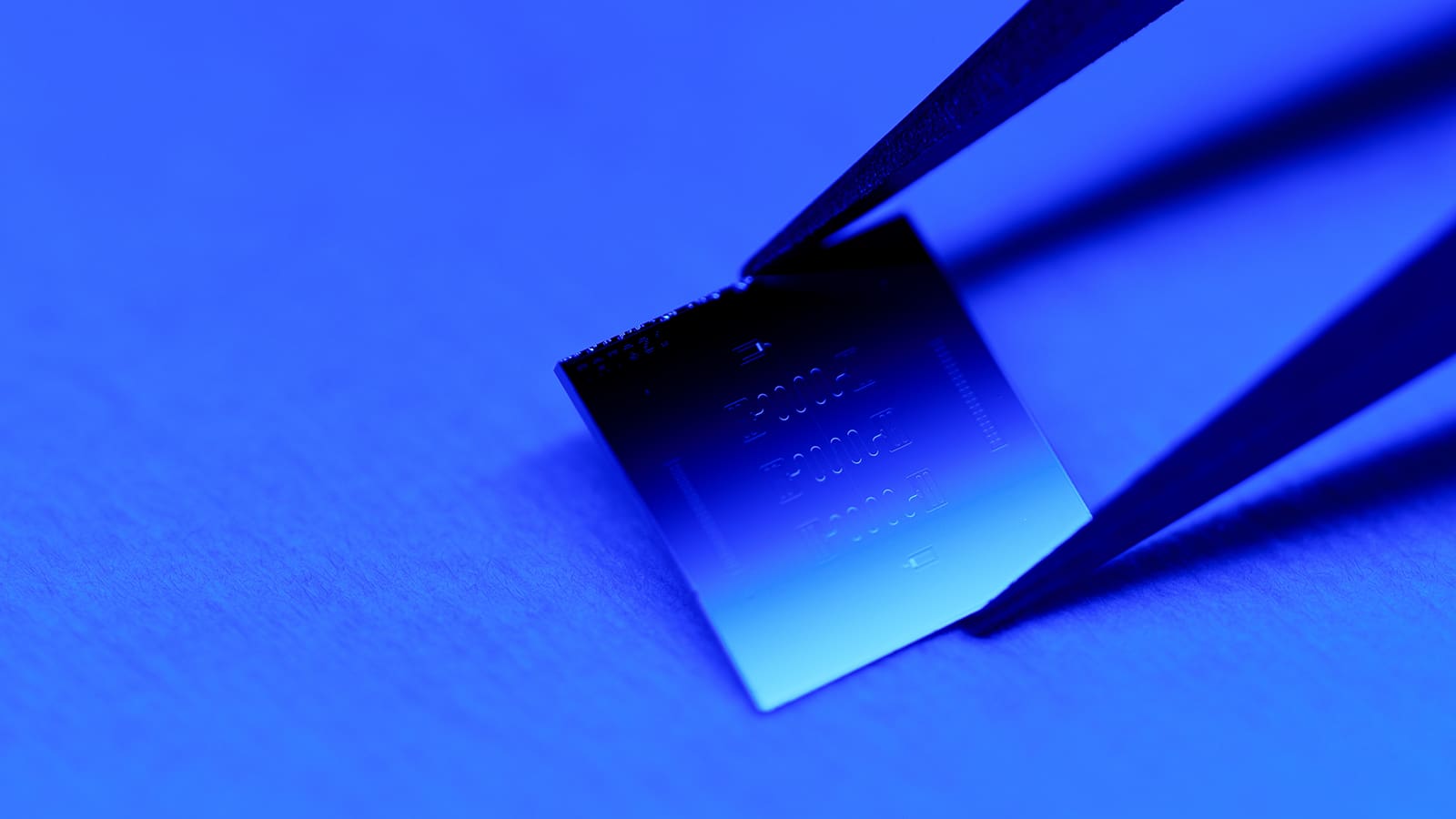
Princeton’s new quantum chip built for scale
In a major step toward practical quantum computers, Princeton engineers have built a superconducting qubit that lasts three times longer than today’s best versions.
Autism study uncovers biologically distinct subtypes, paving the way for precision diagnosis and care
Researchers have identified four clinically and biologically distinct subtypes of autism, marking a transformative step in understanding the condition’s genetic underpinnings and potential for personalized care.