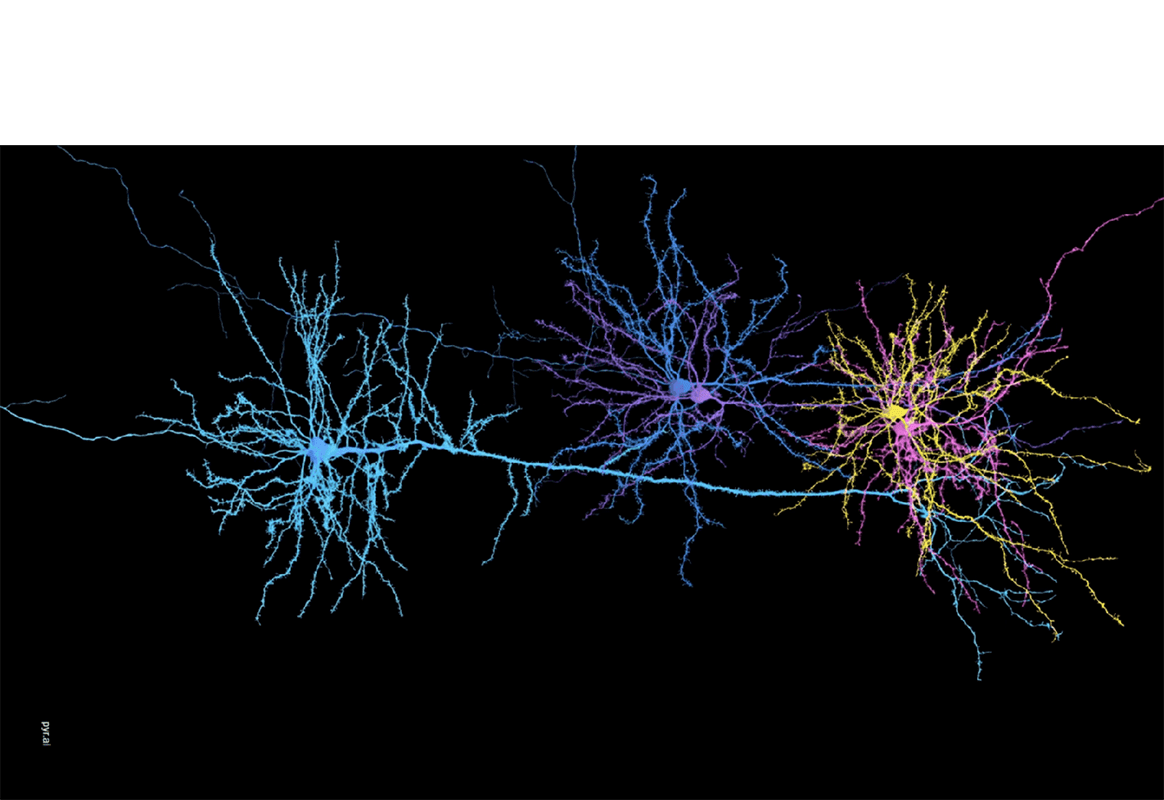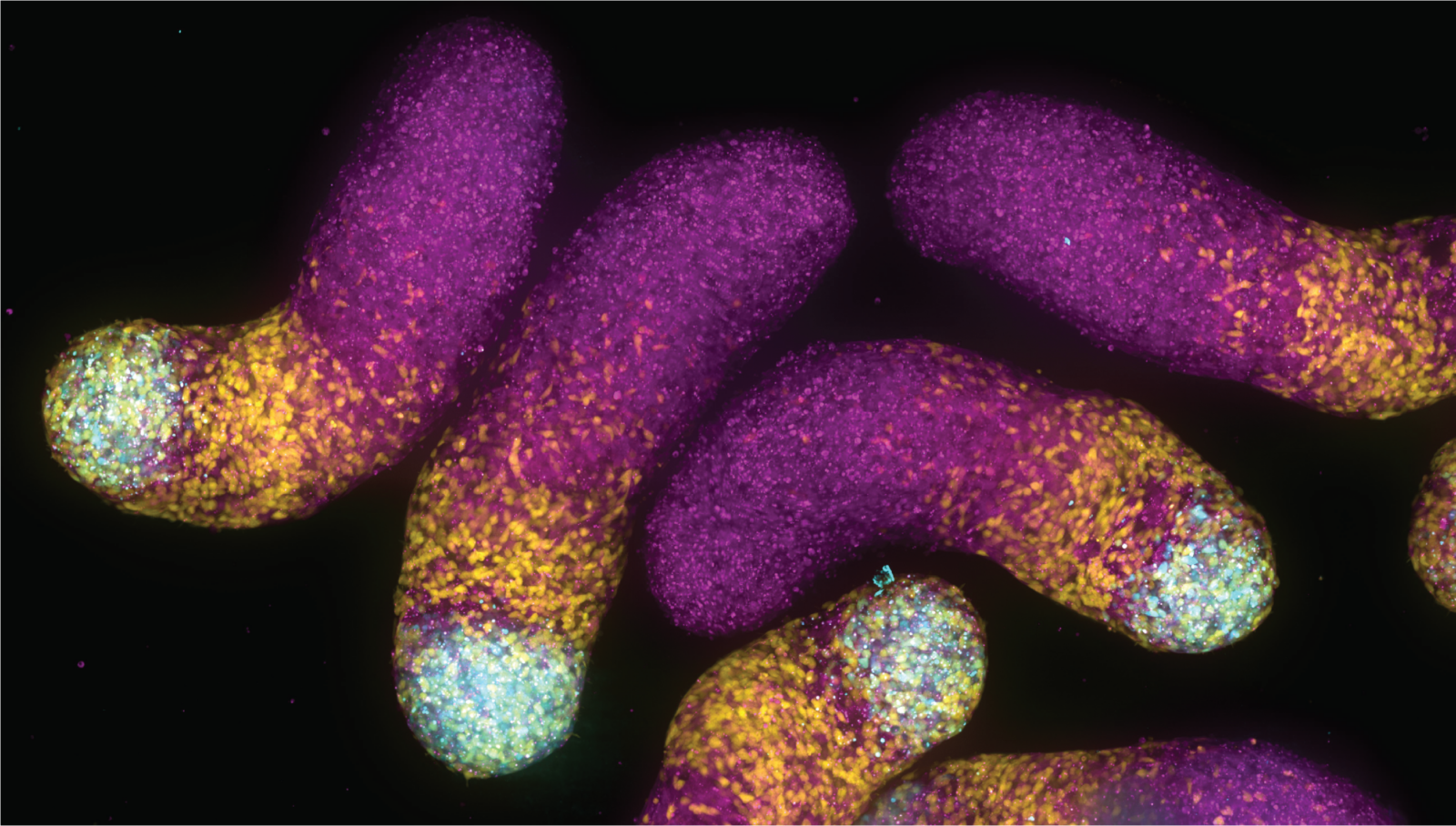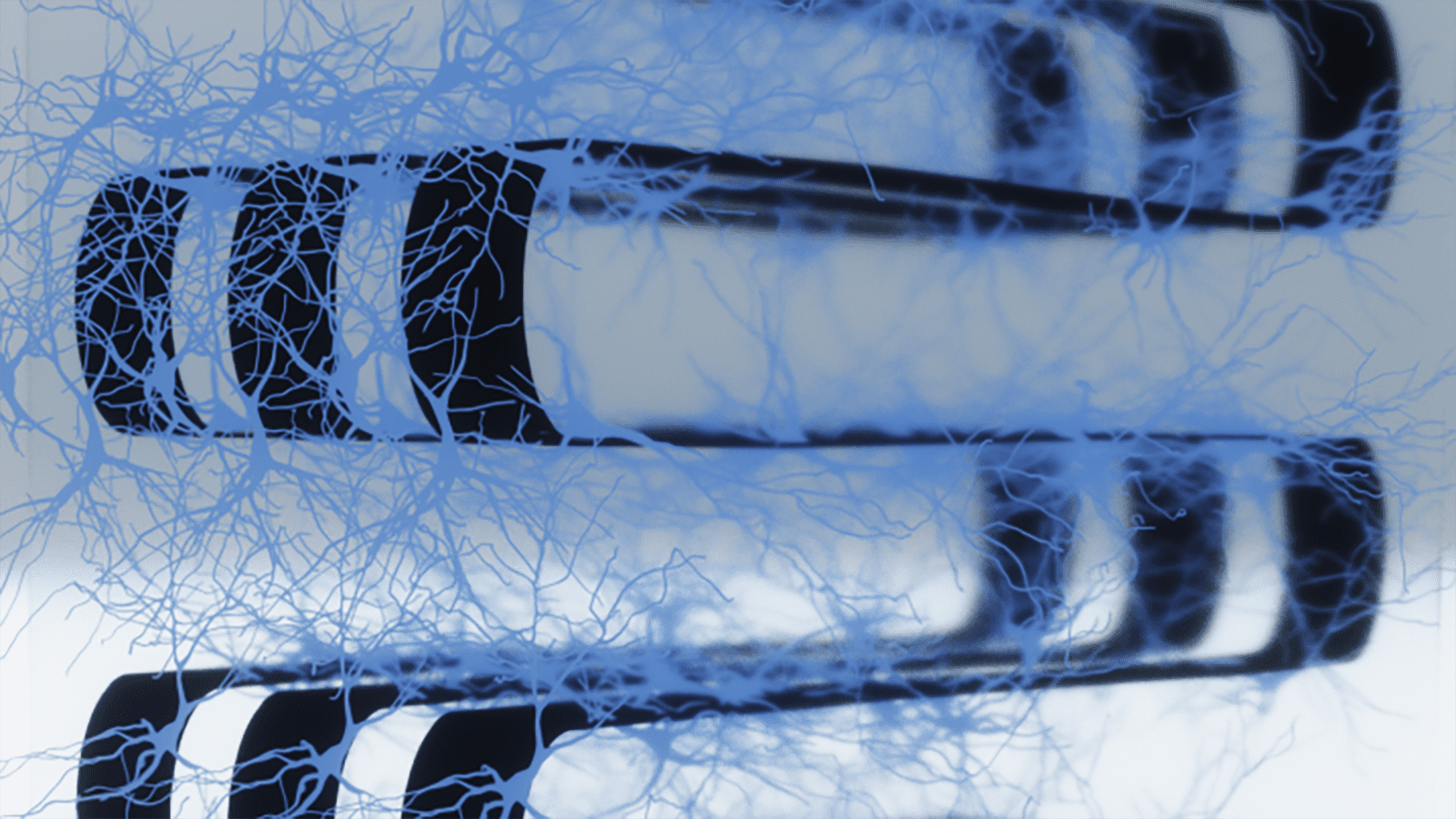
Princeton researchers have combined brain cells and advanced electronics into a 3D device that can be programmed to recognize patterns using computational techniques.
Past attempts at using brain cells to do computation have relied on 2D cultures grown in a petri dish or 3D clusters that are probed and monitored from outside. The Princeton device takes a different approach, working from the inside out.
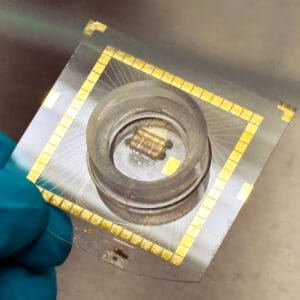
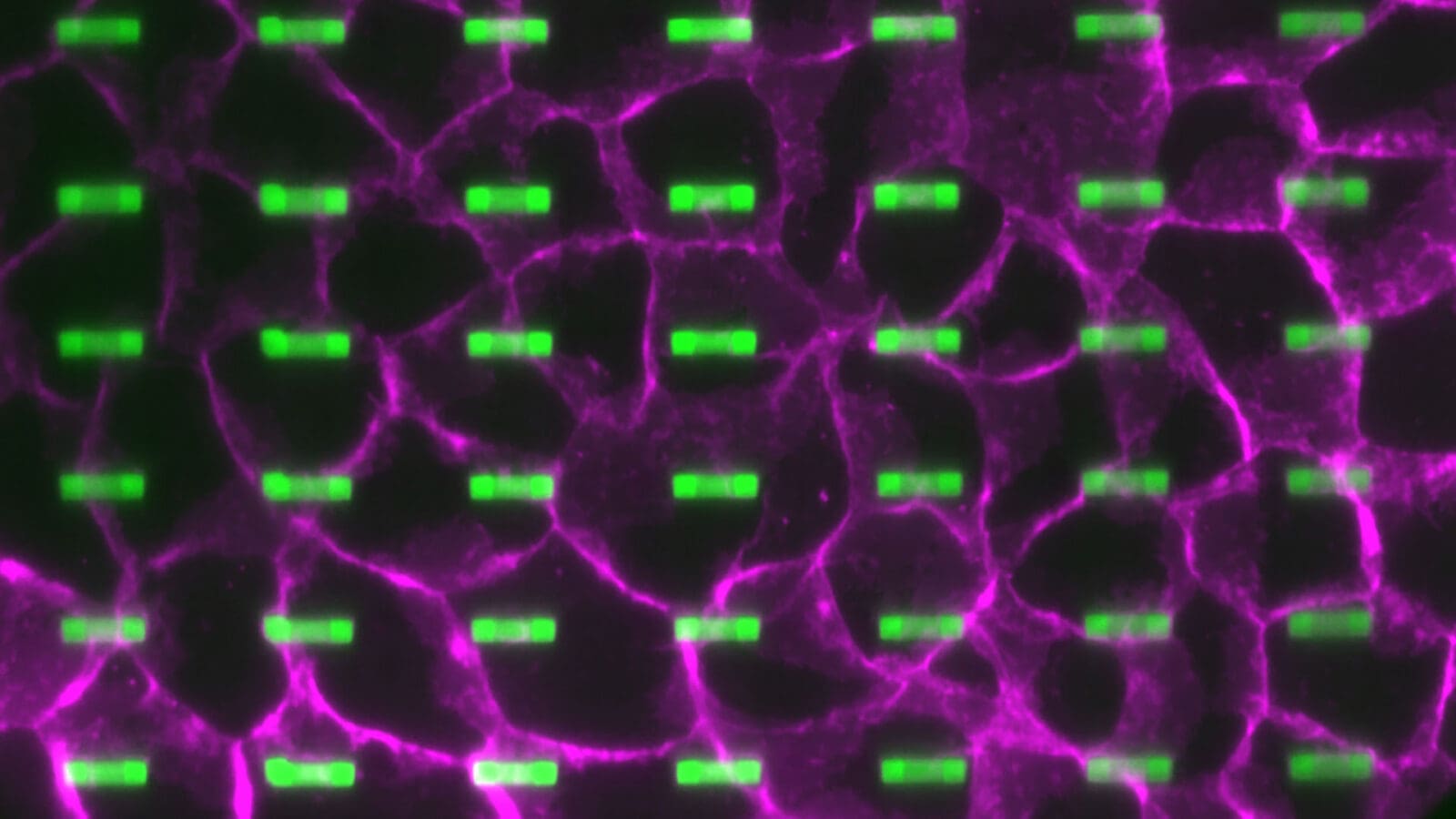
Using advanced fabrication techniques, the team created a 3D mesh made of microscopic metal wires and electrodes supported by a thin epoxy coating. Because the coating is so thin, it has just the right amount of flexibility to interface with the soft neurons that grow around it. The team used the mesh as a scaffold to culture tens of thousands of neurons into a vast 3D network that can be used to do computation.
A paper detailing the experiment was published Apr. 23 in Nature Electronics.
The researchers said their integrated approach enabled them to record and stimulate the neurons’ electrical activity at a much finer scale than past approaches. They tracked the evolution of the system over a period of more than six months, experimenting with ways to strengthen and weaken connections between key neurons, and ultimately trained an algorithm that could recognize patterns of electrical pulses.
In one test, they used pairs of distinct spatial patterns. In another, they used distinct temporal patterns. The system correctly distinguished among the patterns in both tests. The researchers said they hope to scale the system to the point where it can do increasingly complex tasks.
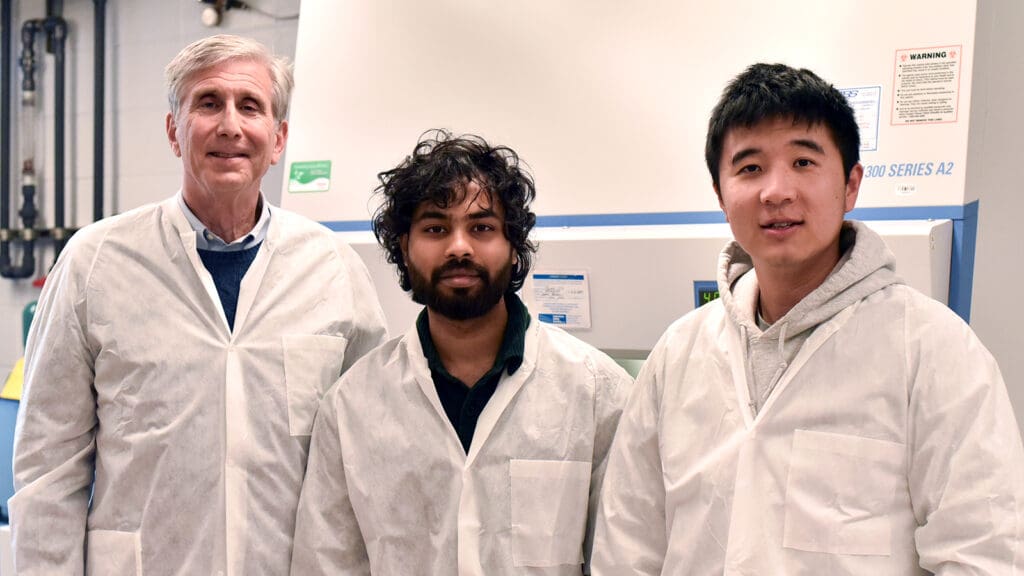
The work was led jointly by Tian-Ming Fu, assistant professor of electrical and computer engineering and the Omenn-Darling Bioengineering Institute; James Sturm, Stephen R. Forrest Professor of Electrical and Computer Engineering; and Kumar Mritunjay, a postdoctoral researcher in electrical and computer engineering.
While initially developed to study fundamental problems in neuroscience, the team realized it could shed light on a key bottleneck of modern AI technology: energy consumption.
“The real bottleneck for AI in the near future is energy,” said Fu. “Our brain consumes only a tiny fraction — about one millionth — of the power consumed by today’s AI systems to perform similar tasks.”
Mritunjay, the paper’s first author, said that systems like this, called 3D biological neural networks, “not only help uncover the computing secrets of the brain but can also assist in understanding and possibly treating neurological diseases.”
The paper, “A three-dimensional micro-instrumented neural network device,” was published in Nature Electronics on Apr. 23. The device was fabricated at the Princeton Materials Institute. The work was supported by funding from Princeton Alliance for Collaborative Research and Innovation, Princeton Catalysis Initiative, and School of Engineering and Applied Science Innovation Grants.